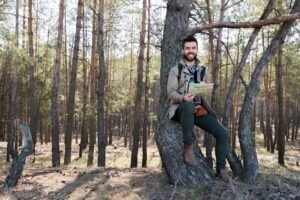
Discover how Vermont timber management balances forest health, wildlife habitats, and long-term ecological sustainability through careful science and stewardship.
Nestled in the heart of New England, the Green Mountain State is defined by its sweeping vistas and dense, rolling woodlands. Forests cover more than three-quarters of the state’s landscape, serving as a cornerstone of its rural heritage, ecological health, and local economy. However, keeping these vast woodlands healthy is not a passive endeavor. It requires active, science-based intervention. This practice, known broadly as Vermont timber management, plays a vital role in ensuring that the state’s forests remain vibrant, resilient, and productive for generations to come.
The Philosophy of Forest Stewardship
At its core, Vermont timber management is not merely about harvesting trees for wood products; it is a comprehensive approach to forest stewardship. The primary objective is to maintain forest integrity while meeting the ecological, economic, and recreational needs of the community.
Forests are dynamic ecosystems constantly undergoing change. Trees grow, compete for resources, succumb to disease, and eventually fall, making way for new growth. Timber management seeks to guide this natural cycle rather than halt it. By carefully planning when, where, and how trees are removed, professionals can mimic natural disturbances—such as windstorms or fires—which historically shaped the region’s woodlands.
Biodiversity and Habitat Enhancement
One of the most significant misconceptions about timber management is that it harms wildlife. In reality, a well-managed forest often boasts higher biodiversity than an unmanaged one.
Different species of wildlife require different forest structures to thrive. For instance, migratory songbirds often prefer dense, young forests with thick underbrush for nesting, while larger mammals like black bears and fisher cats may rely on mature canopies and large, decaying logs for foraging and shelter.
Through targeted Vermont timber management, foresters create a mosaic of habitats across the landscape. By selectively harvesting certain trees, sunlight is allowed to reach the forest floor, stimulating the growth of native shrubs, grasses, and saplings. This structural diversity provides essential food sources and cover for a wide array of wildlife, from amphibians to white-tailed deer.
Climate Resilience and Carbon Sequestration
In an era of shifting climate patterns, forest resilience is more critical than ever. Healthy forests act as natural carbon sinks, absorbing carbon dioxide from the atmosphere and storing it in biomass and soils.
Overcrowded forests can become stressed as trees fiercely compete for water, nutrients, and sunlight. This stress makes them increasingly vulnerable to pests, diseases, and prolonged droughts. Through strategic thinning, Vermont timber management reduces this competition, leaving the strongest, most resilient trees to flourish. These robust trees grow faster and sequester carbon more efficiently, helping to mitigate the impacts of climate change. Furthermore, harvested wood often gets turned into long-lasting products, like furniture and building materials, which continue to lock away carbon for decades.
Economic Viability and Local Communities
The economic facet of Vermont timber management is inextricably linked to its ecological goals. Private landowners own the vast majority of the state’s forestland. For many, owning land comes with significant tax burdens and maintenance costs.
Responsible harvesting allows landowners to generate revenue from their property, providing a financial incentive to keep their land forested rather than selling it for real estate development. Preventing forest fragmentation is one of the greatest conservation victories in the region. When landowners can sustainably harvest timber, they are far more likely to retain large, contiguous tracts of forest, which are crucial for large wildlife corridors and watershed protection.
The Path Forward
Managing Vermont’s woodlands is a delicate balancing act that requires a deep understanding of silviculture, ecology, and local regulations. Professional foresters draft meticulous management plans tailored to the unique characteristics of each woodlot, considering soil types, water resources, slope, and existing flora and fauna.
Ultimately, Vermont timber management proves that human needs and ecological health do not have to be at odds. By working in harmony with natural processes, sustainable forest practices ensure that the Green Mountain State remains a heavily forested, ecologically rich, and economically viable landscape well into the future.