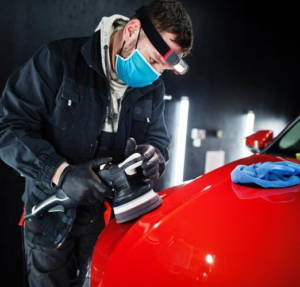
Maintaining a vehicle’s shine and protecting its paintwork requires more than regular washing. Many car owners compare different paint protection solutions before choosing the right option for their vehicle. car ceramic coating has become a popular choice because of its long-lasting protection, glossy finish, and resistance against environmental damage. However, traditional wax, paint sealants, and advanced options like ppf car protection also offer unique benefits. Understanding the differences between these solutions can help you decide which one provides the best value, durability, and protection for your car.
Understanding Car Paint Protection Options
A vehicle’s exterior is constantly exposed to harmful elements such as sunlight, dust, road debris, bird droppings, rainwater, and chemical contaminants. Over time, these factors can reduce paint quality, cause fading, and make the surface look dull. Paint protection products create a barrier between the vehicle’s paint and external conditions, helping maintain its appearance.
The three most common options available today are wax, paint sealants, and ceramic coatings. Each solution works differently and provides varying levels of protection. Choosing the right option depends on your expectations, budget, maintenance habits, and how long you want the protection to last.
What Is Car Wax?
Car wax is one of the oldest and most commonly used methods for improving a vehicle’s appearance. It is usually made from natural ingredients such as carnauba wax or synthetic materials designed to provide shine and temporary protection.
Wax creates a thin protective layer over the paint surface. This layer enhances gloss and gives the vehicle a smooth finish. Many car enthusiasts prefer wax because it creates a warm, deep shine that makes the paint look freshly polished.
However, wax protection does not last very long. Depending on weather conditions, washing frequency, and product quality, wax may only remain effective for a few weeks or a few months. It also requires frequent reapplication to maintain its protective benefits.
Benefits of Car Wax
- Provides an attractive glossy finish
- Easy to apply and remove
- Affordable compared to other protection methods
- Suitable for occasional vehicle detailing
- Creates a smooth surface that improves visual appeal
Limitations of Car Wax
While wax improves appearance, it has limited protective capabilities. It does not provide strong resistance against scratches, chemical stains, or harsh environmental conditions. Extreme heat, frequent washing, and exposure to sunlight can quickly reduce its effectiveness.
For car owners who enjoy regularly detailing their vehicles and changing products frequently, wax can be a practical choice. However, those looking for long-term protection may need a more advanced solution.
What Is Paint Sealant?
Paint sealants are synthetic products designed to offer stronger protection compared to traditional wax. They are created using advanced polymers that bond with the vehicle’s paint surface and provide improved durability.
Unlike wax, sealants are engineered to withstand environmental exposure for a longer period. They can protect against oxidation, UV rays, and minor contaminants while maintaining a glossy appearance.
Sealants usually last several months, making them a better option for owners who want less frequent maintenance. They are also easier to apply than professional-grade protective coatings.
Benefits of Paint Sealants
- Longer durability than traditional wax
- Better resistance against weather conditions
- Provides a clean and glossy appearance
- Requires less frequent application
- Suitable for daily-use vehicles
Limitations of Paint Sealants
Although sealants provide better performance than wax, they still have limitations. They do not chemically bond with the paint surface in the same way as ceramic coatings. Their protective layer can gradually weaken due to washing, chemicals, and environmental exposure.
Sealants also provide limited protection against scratches and physical damage. For vehicles that require maximum paint preservation, other solutions may offer better results.
What Is Ceramic Coating?
Ceramic coating is an advanced paint protection solution made using liquid polymer technology. When applied correctly, it bonds with the vehicle’s clear coat and creates a durable protective layer.
Unlike wax and sealants that sit mainly on top of the paint, ceramic coatings form a stronger connection with the surface. This creates a long-lasting shield that improves resistance against contaminants, UV exposure, oxidation, and environmental damage.
One of the main reasons vehicle owners choose car ceramic coating is its durability. A professionally applied coating can provide protection for several years with proper maintenance, making it a popular choice for those who want long-term paint care.
Ceramic Coating vs Wax vs Sealant: Key Differences
Durability
Durability is one of the biggest differences between these protection methods.
Wax offers the shortest protection period and usually requires frequent reapplication. Sealants provide improved durability and can last several months. Ceramic coatings offer significantly longer protection and can maintain their performance for years when properly maintained.
For owners who want a solution that reduces frequent detailing work, ceramic coating provides a major advantage.
Protection Level
Wax mainly improves shine and provides basic protection against light contaminants. Sealants offer better resistance against environmental factors but still provide limited protection.
Ceramic coatings create a stronger protective layer that helps prevent contaminants from bonding directly with the paint. They also improve resistance against UV damage, oxidation, and chemical exposure.
Gloss and Appearance
All three options can improve the appearance of a vehicle, but they create different finishes.
Wax is known for producing a deep, warm shine, especially on darker paint colors. Sealants provide a clean and reflective finish. Ceramic coatings create a high-gloss appearance with a smooth, glass-like effect.
The final result also depends on the condition of the paint before application. Proper polishing and preparation are essential for achieving the best finish.
Maintenance Requirements
Wax requires frequent applications and regular upkeep. Sealants reduce maintenance needs but still require periodic reapplication.
Ceramic coatings make maintenance easier because their hydrophobic properties help water, dirt, and contaminants slide away from the surface. However, they do not eliminate the need for washing and proper care.
Ceramic Coating vs PPF: Which Provides Better Protection?
While ceramic coatings focus on chemical resistance, gloss, and easier maintenance, paint protection film serves a different purpose. ppf car protection uses a transparent protective film applied over the vehicle’s painted surfaces to defend against physical damage.
Paint protection film is especially effective against stone chips, road debris, and minor scratches. It acts as a physical barrier between the vehicle’s paint and external impact.
Ceramic coatings, on the other hand, enhance surface protection and appearance. Many vehicle owners combine both solutions to achieve maximum protection. Paint protection film protects against physical damage, while ceramic coating improves shine and makes the surface easier to maintain.
Which Option Is Right for Your Vehicle?
The best paint protection option depends on how you use your vehicle and what type of protection you need.
If you enjoy frequent detailing and want an affordable way to improve shine, wax may be enough. It works well for vehicles that are not exposed to harsh conditions regularly.
If you want better durability without investing in a premium solution, paint sealants provide a balance between cost and performance.
For owners who want long-term protection, reduced maintenance, and a premium finish, ceramic coating is a more suitable choice. It provides better durability and helps maintain the vehicle’s appearance over time.
For luxury vehicles, sports cars, or frequently driven vehicles exposed to highways and harsh weather, combining protective solutions may provide the highest level of protection.
Factors to Consider Before Choosing a Protection Method
Before selecting a paint protection option, consider the following factors:
Vehicle Usage
Daily drivers that spend many hours on roads may require stronger protection compared to vehicles used occasionally. Exposure to traffic, sunlight, and environmental contaminants should influence your decision.
Budget
Wax is the most affordable option, while ceramic coatings require a higher initial investment. However, longer durability may make ceramic coatings more cost-effective over time.
Maintenance Preferences
If you prefer frequent detailing sessions, wax may suit your lifestyle. If you want easier maintenance and long-lasting results, ceramic coating may be a better investment.
Paint Condition
The condition of your vehicle’s paint also matters. Scratches, swirl marks, and imperfections should be corrected before applying advanced protection products to achieve the best results.
Common Myths About Ceramic Coating
Many people believe ceramic coating makes a vehicle completely scratch-proof or eliminates the need for washing. However, ceramic coating is not an invisible shield that prevents all damage.
It improves resistance against many contaminants and makes cleaning easier, but proper maintenance is still required. Regular washing with suitable products helps maintain the coating’s performance and appearance.
Another common misconception is that ceramic coating can replace paint protection film. While both protect vehicle surfaces, they serve different purposes. One focuses more on surface enhancement and chemical resistance, while the other provides physical protection.
Wrapping Up
Choosing between wax, sealant, and ceramic coating depends on your priorities, budget, and expectations. Wax remains a simple and affordable option for enhancing shine, while sealants provide improved durability and protection. Ceramic coatings offer a more advanced solution with long-lasting performance, better resistance, and easier maintenance.
For drivers who want to preserve their vehicle’s appearance and reduce frequent detailing requirements, investing in advanced protection can provide better long-term value. Understanding the differences between each option allows you to select the right solution based on your driving habits and protection needs.