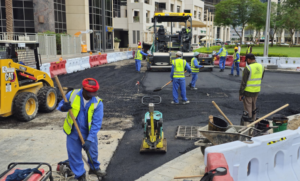
Modern cities rely on dependable transportation networks to support business, tourism, residential growth, and public services. Every successful infrastructure project begins with careful planning, technical expertise, and long-term thinking. In rapidly developing regions, selecting experienced Road Construction Companies In Dubai is one of the most important decisions for creating roads that remain safe, efficient, and durable despite increasing traffic demands.
Road infrastructure is more than a surface for vehicles. It forms the foundation of economic activity by connecting neighborhoods, industrial zones, commercial districts, and public facilities. A well-designed roadway reduces congestion, improves safety, and supports sustainable urban expansion for years to come.
Understanding the Foundation of Quality Road Development
Constructing reliable roads requires a combination of engineering knowledge, detailed surveys, environmental awareness, and precision during execution. Every stage contributes to the overall strength and lifespan of the finished pavement.
Before any construction begins, professionals analyze soil conditions, traffic projections, drainage requirements, and surrounding utilities. This information helps determine suitable construction methods while minimizing future maintenance concerns.
Careful Site Assessment Creates Better Results
Detailed site investigations reveal important characteristics of the land, including soil stability, groundwater levels, and existing underground services. These findings guide engineers toward appropriate design solutions that improve structural performance while reducing construction risks.
Accurate planning also minimizes unnecessary excavation, material waste, and project delays.
Choosing Suitable Materials for Long-Term Performance
The durability of any roadway depends heavily on material selection. Engineers carefully evaluate aggregates, binders, reinforcement materials, and sub-base layers according to expected traffic volumes and environmental conditions.
Quality materials provide several long-term advantages:
- Greater resistance to heavy vehicle loads
- Improved protection against weather damage
- Better surface stability
- Lower repair frequency
- Reduced lifecycle costs
Using materials that match local climate conditions helps roads maintain their structural integrity throughout changing seasons.
Importance of Proper Drainage Systems
Water remains one of the largest threats to pavement longevity. Without efficient drainage, moisture weakens underlying layers and accelerates surface deterioration.
Modern road projects integrate drainage channels, underground pipelines, slopes, and collection systems that quickly direct rainwater away from traffic lanes. Proper water management significantly extends pavement life while improving driving safety during storms.
Modern Engineering Improves Construction Quality
Infrastructure development has evolved considerably through advanced equipment and digital technologies. Surveying instruments, automated grading systems, and precision paving equipment help improve construction accuracy while reducing human error.
Digital monitoring enables engineers to verify elevations, pavement thickness, and alignment throughout every construction phase. Continuous quality inspections ensure each layer meets required engineering standards before the next stage begins.
These innovations contribute to smoother roads, enhanced durability, and more predictable project outcomes.
Sustainable Construction Practices
Environmental responsibility has become an essential aspect of infrastructure planning. Modern projects increasingly incorporate methods that reduce waste and improve resource efficiency.
Common sustainable practices include:
- Recycling construction materials
- Optimizing transportation logistics
- Reducing unnecessary excavation
- Conserving natural resources
- Improving energy efficiency during construction
Sustainable planning benefits both the environment and long-term infrastructure performance.
Prioritizing Safety Throughout Every Phase
Road construction involves numerous activities occurring simultaneously. Protecting workers, nearby residents, and motorists requires careful coordination and strict safety procedures.
Effective safety management includes:
- Clearly marked work zones
- Traffic diversion planning
- Protective barriers
- Regular equipment inspections
- Ongoing workforce training
Safety planning continues even after project completion by incorporating visible signage, smooth intersections, pedestrian pathways, and effective lighting.
Efficient Project Coordination
Large infrastructure developments require collaboration among engineers, planners, surveyors, utility specialists, environmental consultants, and construction teams.
Clear communication helps avoid scheduling conflicts while ensuring every project stage progresses efficiently. Coordinated planning also reduces unexpected interruptions that could increase costs or delay completion.
Maintaining Infrastructure for Future Generations
Building a road is only the beginning. Continuous inspections and preventive maintenance protect infrastructure investments and reduce the likelihood of major repairs.
Routine evaluations identify early signs of wear before they develop into significant structural problems. Timely maintenance extends pavement life while minimizing disruption for commuters and businesses.
Preventive strategies often include:
- Surface inspections
- Crack sealing
- Drainage cleaning
- Pavement condition assessments
- Shoulder maintenance
Regular monitoring helps maintain safe driving conditions while preserving public infrastructure assets.
Supporting Growing Urban Communities
As cities expand, transportation systems must adapt to increasing population, commercial activity, and mobility demands.
Well-planned road networks improve accessibility for residential communities, industrial developments, educational institutions, healthcare facilities, and recreational destinations. Efficient transportation also strengthens economic productivity by reducing travel times and improving freight movement.
Future-ready infrastructure considers not only current traffic patterns but also anticipated growth over several decades.
The Value of Professional Standards
Infrastructure quality depends on compliance with engineering regulations, construction specifications, and technical inspections throughout the project lifecycle. Strict quality control ensures every construction stage meets required performance expectations.
Projects completed under recognized standards often demonstrate greater durability, improved public safety, and lower maintenance requirements throughout their service life. This commitment to excellence is why many developments prioritize working with Grp Pipeline Contractors In Dubai whenever integrated underground utility systems must be coordinated alongside transportation infrastructure, ensuring both surface and subsurface networks function efficiently together.
Reliable construction practices also support environmental protection, resource conservation, and long-term operational efficiency.
Conclusion
Strong transportation infrastructure creates lasting value for communities, businesses, and future development. Successful projects require thoughtful planning, quality materials, skilled engineering, effective drainage, ongoing maintenance, and careful attention to safety at every stage.
As urban environments continue evolving, investment in dependable infrastructure remains essential for sustainable growth and improved mobility. Roads built with precision today become the foundation for tomorrow’s economic progress, helping cities remain connected, resilient, and prepared for future demands.