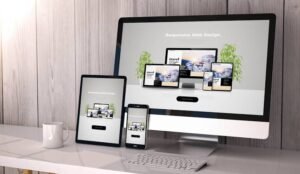
In the luxury interior design industry, a website is much more than an online portfolio. It is often the first place potential clients, architects, developers, manufacturers, and design partners interact with your brand. A polished website can communicate your design philosophy, demonstrate your expertise, build trust, and encourage visitors to take the next step.
For premium interior brands, every digital detail matters. From typography and imagery to navigation, page speed, and content, your website should reflect the same level of sophistication that customers expect from your physical spaces and products. This is where Custom website design becomes particularly valuable. Instead of relying on generic templates, a customized website allows an interior brand to create a digital experience aligned with its identity, audience, and business objectives.
Why Does Website Design Matter for Premium Interior Brands?
Luxury customers expect a consistent experience across every brand touchpoint. If an interior design company promotes high-end services but has a slow, outdated, or poorly structured website, visitors may question the quality of its work.
A premium website can create a stronger first impression while helping visitors understand what makes your brand different. It can showcase completed projects, explain your services, highlight your design approach, and provide easy ways to get in touch.
A well-designed website also supports digital marketing. Search engine optimization, social media campaigns, paid advertising, email marketing, and public relations efforts can all direct prospective customers toward your website. If the website experience is weak, those marketing efforts may generate traffic without producing meaningful conversions.
1. Build a Distinctive Brand Identity
The website should immediately communicate who you are as an interior brand.
Start with your brand’s visual identity, including:
-
Logo placement
-
Typography
-
Brand colors
-
Photography style
-
Graphic elements
-
Iconography
-
Tone of voice
-
Layout preferences
Avoid choosing design elements simply because they are currently popular. Trends can provide inspiration, but your website should have a distinctive personality that remains relevant over time.
For a luxury interior brand, minimalism can often work well. However, minimalism does not mean making every page empty. It means using space, typography, imagery, and hierarchy intentionally.
Your visitors should be able to recognize your brand through the website even before they read the company name.
2. Use High-Quality Interior Photography
Interior design is a highly visual industry, so photography should be one of your biggest priorities.
High-quality images can communicate materials, craftsmanship, scale, textures, colors, lighting, and spatial planning much more effectively than paragraphs of text.
Create project galleries that show more than a single finished-room photograph. Consider including:
-
Wide-angle project views
-
Close-up material details
-
Furniture and lighting selections
-
Architectural features
-
Before-and-after visuals
-
Different areas of the same project
-
Design details and craftsmanship
Images should be optimized for the web without sacrificing visual quality. Large, uncompressed images can slow down a website, particularly on mobile devices.
The goal is to achieve a balance between premium visual presentation and fast performance.
3. Create an Elegant and Intuitive Navigation Structure
Luxury design does not have to mean complicated navigation.
Visitors should quickly understand where they can find information about your services, projects, company, and contact options.
A practical structure might include:
Home → About → Services → Projects → Insights → Contact
Depending on the business, additional sections such as testimonials, products, studios, press coverage, or collaborations can also be included.
Keep the main navigation focused. Too many menu options can overwhelm visitors and make the website feel less refined.
Your website should guide visitors naturally from discovery to consideration and eventually to inquiry.
4. Make Your Homepage Work Like a Digital Showroom
Your homepage is often the most important page on the website.
Rather than filling it with excessive information, use it to establish the brand experience. A strong homepage can include a compelling hero section, a concise value proposition, selected projects, key services, credibility indicators, and a clear call to action.
The opening section should answer three questions quickly:
Who are you?
What do you offer?
Why should visitors care?
For example, instead of using a generic headline such as “Welcome to Our Interior Design Company,” consider positioning the brand around its specialty, design philosophy, or target market.
The homepage should feel like an introduction to the brand—not a catalog of everything the company has ever done.
5. Showcase Projects Through Storytelling
A project portfolio should do more than display attractive photographs.
Each project can tell a story about the client’s requirements, design challenges, creative direction, materials, and final outcome.
Consider creating dedicated project pages containing:
-
Project name
-
Location
-
Project type
-
Design objectives
-
Challenges
-
Creative approach
-
Materials and finishes
-
Photography
-
Final outcome
This approach helps visitors understand the expertise behind the visual results.
It also gives search engines additional relevant content that can support organic visibility when project pages are structured and optimized properly.
6. Invest in Custom Website Design
Generic website templates can be useful for businesses with basic requirements, but premium interior brands often need greater flexibility.
Custom website design allows a business to develop an experience around its specific brand rather than adapting its identity to a pre-existing template.
With a customized approach, you can create:
-
Unique page layouts
-
Bespoke project galleries
-
Interactive portfolio experiences
-
Brand-specific animations
-
Custom navigation systems
-
Tailored conversion paths
-
Flexible content structures
-
Advanced integrations
Customization should always serve a purpose. A website does not become premium simply because it contains complicated animations or unusual layouts.
The best custom websites combine aesthetics with usability, performance, accessibility, and business goals.
7. Prioritize Mobile Experience
Many potential clients discover interior brands through smartphones. Social media, search engines, online publications, and digital advertisements can all generate mobile traffic.
A website that looks impressive on a desktop but performs poorly on a phone can create a disappointing experience.
Make sure:
-
Text is easy to read
-
Images resize correctly
-
Navigation is touch-friendly
-
Buttons are easy to tap
-
Forms work properly
-
Videos do not overwhelm the page
-
Pages load quickly
-
Content remains visually balanced
Responsive design should be considered from the beginning rather than treated as a final adjustment.
8. Improve Website Speed Without Sacrificing Luxury
Visual quality matters, but speed matters too.
Interior brands often rely on large images, videos, animations, and interactive galleries. These elements can make a website visually impressive but may also increase loading times.
Optimize your website by using appropriately sized images, modern image formats, efficient code, caching, and reliable hosting.
Avoid unnecessary animations that do not contribute to the user experience.
A premium website should feel smooth and effortless. Visitors should not have to wait several seconds for every image or section to load.
9. Use Typography to Communicate Sophistication
Typography has a significant influence on how a luxury brand is perceived.
A carefully selected typeface can make a website feel elegant, contemporary, architectural, artistic, or traditional.
Use typography consistently across:
-
Headings
-
Body text
-
Navigation
-
Buttons
-
Captions
-
Project descriptions
Do not use too many fonts. A carefully paired heading and body typeface is often more effective than a collection of unrelated styles.
Spacing is equally important. Generous line height, margins, and white space can make content easier to read while creating a refined visual experience.
10. Create Strong Calls to Action
A beautiful website still needs to generate business results.
Every important page should provide an appropriate next step. Depending on your business model, calls to action could include:
-
Book a consultation
-
Discuss your project
-
Request a proposal
-
View our portfolio
-
Explore our services
-
Contact the studio
Avoid using aggressive calls to action everywhere. Premium brands can use subtle, purposeful messaging that encourages visitors without making the experience feel overly commercial.
The placement of calls to action should also make sense within the user’s journey.
11. Build Trust Through Social Proof
Potential clients want evidence that your brand can deliver the quality it promises.
Use your website to highlight credibility through:
-
Client testimonials
-
Awards
-
Industry memberships
-
Media features
-
Certifications
-
Notable projects
-
Collaborations
-
Case studies
If your projects have been published in respected design publications, consider creating a dedicated press section.
Social proof can help reduce uncertainty and make prospective clients more comfortable initiating a conversation.
12. Make SEO Part of the Website Strategy
A visually impressive website is not enough if potential customers cannot find it.
Search engine optimization should be considered during the website planning and development process.
Interior brands can optimize pages around relevant search terms related to their services, locations, design specialties, and products.
Important SEO elements include:
-
Page titles
-
Meta descriptions
-
Heading structure
-
Image alt text
-
Internal links
-
Clean URLs
-
Useful content
-
Mobile responsiveness
-
Website speed
-
Structured data where appropriate
Avoid filling pages with keywords unnaturally. Premium brands should focus on creating useful, authoritative content that addresses what their target customers actually want to know.
13. Add Educational Content
A blog or insights section can strengthen both authority and organic visibility.
Interior brands can publish content about:
-
Emerging interior trends
-
Material selection
-
Luxury residential design
-
Commercial interiors
-
Sustainable materials
-
Lighting concepts
-
Space planning
-
Design technology
-
Furniture trends
-
Renovation considerations
Educational content can introduce your brand to potential customers before they are ready to purchase.
For example, someone searching for advice about selecting materials for a luxury hospitality project may discover your article and later explore your services.
14. Use Video and Interactive Experiences Strategically
Video can make an interior website more immersive.
You can use short videos to showcase completed spaces, behind-the-scenes design processes, material details, interviews, or project walkthroughs.
Interactive elements can also create engagement. However, every animation or interactive feature should have a clear purpose.
If an effect distracts from the project photography or makes navigation difficult, it is not adding value.
The principle should be simple: enhance the experience, don’t complicate it.
15. Create a Seamless Inquiry Process
Once visitors become interested, contacting your business should be easy.
Your inquiry form should request useful information without becoming unnecessarily long. Depending on your services, you may ask about:
-
Name
-
Company
-
Email
-
Project type
-
Location
-
Estimated timeline
-
Project requirements
-
Budget range
Include alternative contact methods where appropriate.
After submitting an inquiry, visitors should receive a clear confirmation message explaining what happens next.
A smooth inquiry process can turn website interest into qualified business opportunities.
16. Keep the Website Updated
A premium website should evolve with the brand.
Regularly update your portfolio, services, case studies, press mentions, and insights. Remove outdated information and review important pages periodically.
Technology also changes over time. Security updates, performance improvements, analytics configuration, mobile compatibility, and SEO requirements should be monitored continuously.
A website that looked modern several years ago may no longer provide the same experience today.
Conclusion
Creating a premium interior brand presence requires more than attractive visuals. The website needs to combine brand identity, photography, storytelling, usability, performance, SEO, and conversion strategy into one cohesive experience.
A thoughtfully planned Custom website design can give interior brands the flexibility to create a digital presence that reflects their unique style while supporting long-term marketing and business objectives.
From an immersive homepage and high-quality project galleries to responsive layouts, fast performance, strong content, and intuitive inquiry processes, every element should contribute to the overall customer journey.
For interior designers and luxury interior product brands, the website should feel like an extension of the brand itself. When design and digital strategy work together, your website can become more than an online portfolio—it can become a powerful platform for credibility, visibility, engagement, and sustainable growth