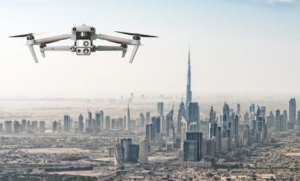
The way organizations communicate with their audiences has changed dramatically over the past decade. Static visuals and conventional photography are no longer enough to capture attention in an increasingly competitive digital environment. Businesses now seek immersive content that not only looks impressive but also tells a compelling story. This growing demand has encouraged industries to adopt Aerial Photography Services as an effective way to showcase locations, projects, and experiences from perspectives that traditional cameras cannot achieve.
An elevated viewpoint reveals far more than attractive scenery. It helps viewers understand the relationship between buildings, landscapes, roads, and surrounding infrastructure while presenting an entire environment in a single visual experience. Whether supporting marketing, documentation, tourism, construction, or event promotion, aerial imagery delivers clarity that strengthens communication.
What Makes Elevated Visuals More Engaging?
People naturally respond to visuals that offer something different. Looking down from above introduces a fresh perspective that immediately captures curiosity.
Instead of focusing on one subject at a time, aerial imagery presents the complete setting, allowing viewers to appreciate size, layout, and design simultaneously. This wider perspective creates a stronger emotional connection because audiences gain a better understanding of the environment.
Visual storytelling becomes more immersive when every scene contributes to a larger narrative.
How Does Perspective Influence Storytelling?
Every location has unique characteristics that deserve thoughtful presentation.
Ground-level photography highlights individual details, while aerial viewpoints reveal how those details fit within the surrounding landscape. This combination of scale and context transforms ordinary locations into memorable visual stories.
Smooth movement and carefully planned compositions help guide viewers naturally from one scene to another, creating a polished viewing experience.
Which Industries Benefit the Most?
Aerial imaging supports a surprisingly wide range of sectors.
Construction teams use elevated visuals to monitor progress and document completed milestones.
Property professionals present developments alongside nearby infrastructure and amenities.
Hospitality businesses introduce destinations through engaging visual experiences.
Tourism campaigns highlight attractions from impressive viewpoints.
Infrastructure projects benefit from accurate visual records that simplify reporting and communication.
Environmental initiatives monitor changing landscapes over time.
Public events capture crowd participation and venue layouts with remarkable efficiency.
Because aerial production combines creativity with practical documentation, it continues expanding into new industries every year.
Can It Improve Digital Marketing?
Strong visuals encourage visitors to spend more time exploring websites and promotional content.
Rather than relying solely on written descriptions, organizations can communicate information quickly through authentic imagery that immediately establishes credibility.
Professional aerial visuals also enhance presentations, brochures, online advertisements, and multimedia campaigns by creating memorable first impressions.
Well-produced imagery often increases audience engagement because viewers gain a clearer understanding of locations within seconds.
Why Is Careful Planning So Important?
Successful aerial production begins before any camera leaves the ground.
Planning involves studying the location, selecting ideal viewpoints, evaluating lighting conditions, and identifying the most effective flight paths. Every decision contributes to producing visuals that align with the project’s objectives.
Preparation also improves efficiency by reducing unnecessary adjustments during production.
Weather conditions, shadows, and surrounding activity influence image quality, making advance planning an essential part of every successful project.
Does Lighting Really Matter?
Lighting dramatically changes the appearance of every landscape and structure.
Morning hours often provide soft illumination that enhances textures, while late afternoon sunlight introduces warmth and depth across buildings and natural scenery.
Choosing the right time of day helps maximize image quality while preserving a natural appearance.
Thoughtful use of available light creates visuals that feel authentic without excessive editing.
How Does Professional Quality Make a Difference?
Creative ideas require technical precision to achieve professional results.
Stable camera movement, balanced exposure, accurate framing, and consistent composition all contribute to stronger visual communication.
Modern stabilization technology ensures smooth footage even during complex aerial movements, producing cinematic content suitable for commercial and informational purposes.
Careful editing further refines visuals while maintaining realistic colors and natural detail.
Why Is Authenticity So Valuable?
Audiences appreciate visuals that accurately represent real environments.
Authentic imagery builds trust by presenting locations honestly rather than relying on unrealistic enhancements.
Organizations that prioritize genuine visual communication often establish stronger relationships with clients, investors, visitors, and stakeholders because expectations align with reality.
Projects that require cinematic footage together with premium still imagery frequently include Drone Filming Services to create a complete collection of visual assets suitable for websites, reports, presentations, promotional campaigns, and digital publications.
What Does the Future Hold for Aerial Visual Content?
Advancements in imaging technology continue expanding creative possibilities.
Higher-resolution cameras, improved stabilization systems, longer operational capabilities, and more efficient production workflows enable increasingly sophisticated visual storytelling.
As digital communication becomes even more visual, aerial imaging will continue supporting industries that depend on engaging presentations, accurate documentation, and memorable marketing content.
Organizations embracing these capabilities today are better prepared to communicate effectively in tomorrow’s competitive landscape.
Conclusion
Aerial imagery has evolved into far more than an attractive visual feature. It provides meaningful context, strengthens storytelling, and improves communication across numerous industries. By combining thoughtful planning, technical expertise, and authentic presentation, elevated visuals help audiences understand places in ways that traditional photography cannot.
As expectations for high-quality digital content continue growing, businesses that invest in professional aerial imaging will be well positioned to create lasting impressions through compelling, informative, and visually engaging experiences.