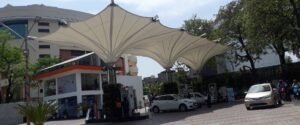
Architecture is continuously evolving with innovative solutions that combine creativity, strength, and sustainability. Today, commercial buildings are focusing on designs that provide better user experiences while making efficient use of available spaces. An Atrium Tensile Structure has become a popular architectural solution for covering large open areas while maintaining natural light, openness, and visual appeal.
From shopping malls and airports to corporate offices and luxury hotels, tensile structures are helping designers create impressive atrium spaces that are both functional and aesthetically attractive.
Introduction to Atrium Tensile Structure
An Atrium Tensile Structure is a lightweight roofing system created using flexible membrane materials that are stretched and supported by steel frames, cables, or other structural elements. The tension created within the membrane provides stability and allows the structure to cover large areas without requiring heavy construction materials.
These structures are especially suitable for atriums because they provide protection while preserving the spacious and open feeling of the area.
Modern tensile structures are designed using advanced engineering techniques to ensure strength, durability, and resistance against environmental conditions.
Growing Demand for Atrium Tensile Structures
The demand for tensile architecture is increasing because modern projects require solutions that are:
-
Visually impressive
-
Lightweight
-
Durable
-
Cost-effective
-
Environment-friendly
-
Customizable
Traditional roofing systems often limit architectural creativity due to their heavy construction requirements. Tensile structures overcome these limitations by offering greater flexibility in design and installation.
Main Characteristics of Atrium Tensile Structure
Lightweight Yet Strong Construction
Although tensile structures appear lightweight, they provide excellent structural strength. The combination of tensioned membranes and supporting frameworks creates a stable and reliable system.
Large Span Coverage
One of the biggest advantages of tensile structures is their ability to cover large areas without numerous internal supports. This makes them ideal for spacious atriums and public areas.
Modern Architectural Appearance
The unique shapes and flowing designs of tensile structures create a premium look that enhances the identity of a building.
Natural Light Optimization
Many tensile fabrics allow controlled sunlight transmission, creating bright interiors while reducing the need for artificial lighting.
Weather Protection
These structures provide protection against:
-
Heavy rainfall
-
Direct sunlight
-
Wind
-
Changing weather conditions
Types of Atrium Tensile Structure Applications
Shopping Mall Atriums
Shopping malls require attractive common areas where visitors can relax and move comfortably. Tensile structures create beautiful covered atriums that enhance the shopping experience.
Airport Terminals
Airports need large, open, and welcoming spaces. Tensile roofing solutions provide wide coverage while maintaining a modern architectural appearance.
Corporate Office Spaces
Companies use tensile structures to design impressive entrance areas, employee lounges, and open meeting spaces.
Hotels and Resorts
Luxury hospitality projects use tensile structures to create elegant outdoor and semi-open spaces.
Convention and Exhibition Centers
Large event spaces benefit from tensile structures because they provide flexible coverage and attractive designs.
Benefits of Installing Atrium Tensile Structure
Enhanced Visual Appeal
A well-designed tensile structure becomes an architectural highlight. Its unique curves and modern forms create memorable spaces.
Efficient Use of Space
Because tensile structures require fewer supporting columns, they maximize usable space underneath.
Faster Installation Process
The lightweight components allow faster fabrication and installation compared to traditional construction systems.
Reduced Structural Load
The lower weight reduces pressure on existing structures and foundations.
Energy Efficiency
The use of natural daylight helps reduce energy consumption and improves indoor comfort.
Low Maintenance Requirements
High-quality tensile fabrics are designed for durability and require limited maintenance compared to many conventional roofing materials.
Design Factors for Atrium Tensile Structure
Creating a successful tensile structure requires careful consideration of several factors.
Architectural Design
The structure should complement the building’s existing design and create visual harmony.
Structural Engineering
Engineers analyze:
-
Wind conditions
-
Load capacity
-
Tension forces
-
Support requirements
to ensure safety and stability.
Fabric Selection
The right membrane material is selected based on:
-
Climate conditions
-
Expected lifespan
-
Appearance requirements
-
Maintenance needs
Drainage Planning
Proper drainage design prevents water accumulation and improves the overall durability of the structure.
Advantages Over Conventional Roofing Systems
More Creative Freedom
Traditional roofs often have fixed designs, while tensile structures allow architects to create unique shapes.
Better Natural Environment
The combination of daylight and open design creates a more comfortable atmosphere.
Lower Construction Requirements
Tensile systems require fewer heavy structural components.
Better Aesthetic Value
Modern tensile structures add a premium architectural appearance to buildings.
Maintenance and Care of Atrium Tensile Structures
Regular maintenance helps ensure long-term performance.
Important maintenance activities include:
Fabric Inspection
Check the membrane regularly for damage, wear, or loose areas.
Structural Checking
Inspect steel frames, cables, and connections to maintain safety.
Surface Cleaning
Cleaning removes dust, pollutants, and stains that may affect appearance.
Professional Inspection
Periodic professional inspections help identify issues before they become major problems.
Future Scope of Atrium Tensile Architecture
The future of architectural design is moving toward lightweight, sustainable, and innovative structures. Tensile architecture will continue to grow due to increasing demand for:
-
Green building solutions
-
Energy-efficient designs
-
Smart architectural systems
-
Custom-made structures
Advanced materials and digital design technologies will further improve the performance and possibilities of tensile structures.
Why Choose Expert Atrium Tensile Structure Manufacturers?
A professional manufacturer plays an important role in the success of a tensile structure project. Experienced manufacturers provide:
-
Customized design solutions
-
High-quality materials
-
Advanced engineering support
-
Precision fabrication
-
Professional installation
Working with experts ensures that the final structure meets safety standards and delivers long-lasting performance.
Conclusion
An Atrium Tensile Structure is a modern architectural solution that combines innovation, durability, and design flexibility. It transforms open spaces into attractive and functional environments while providing protection and comfort.
With applications across commercial buildings, public spaces, and hospitality projects, tensile structures are redefining the future of architecture. Investing in a professionally designed atrium tensile structure helps businesses create visually stunning spaces that offer long-term value and performance.