Industrial development continues to reshape the way businesses manage production, storage, transportation, and infrastructure projects. As operational demands become more complex, organizations require dependable equipment capable of delivering consistent performance while meeting strict safety expectations. Reliable engineering solutions are essential for maintaining productivity, especially when industries depend on components designed by a Pressure Vessel Manufacturer to support critical processes across various applications.
Creating a Strong Foundation for Industrial Success
Every industrial facility relies on equipment that can perform efficiently under continuous workloads. Whether supporting manufacturing, utilities, processing, or construction, dependable infrastructure minimizes delays and improves operational stability.
A carefully planned operation considers not only current production needs but also future expansion. Equipment selected today should continue delivering value for many years while adapting to changing business requirements.
Balancing Performance and Reliability
Operational efficiency is closely linked to equipment reliability. Machinery and industrial systems that experience fewer interruptions help organizations maintain production schedules while reducing unnecessary maintenance costs.
Businesses often achieve better long-term results by investing in durable equipment that withstands demanding environments and daily use without compromising safety or performance.
The Importance of Smart Equipment Selection
Selecting industrial equipment requires evaluating much more than purchase price. Decision-makers should assess operating conditions, maintenance requirements, expected service life, and compatibility with existing infrastructure.
Important evaluation factors include:
- Structural durability
- Ease of maintenance
- Operational efficiency
- Safety compliance
- Long-term operating costs
- Adaptability to future requirements
- Resistance to environmental conditions
Considering these elements helps organizations make investments that continue generating value throughout the equipment lifecycle.
Planning Beyond Immediate Needs
Forward-thinking businesses understand that industrial operations evolve over time. Expansion projects, increased production capacity, and changing regulations often require equipment capable of supporting future growth.
Planning ahead reduces the need for frequent replacements while improving operational flexibility.
Building Safer Industrial Environments
Safety is one of the most valuable investments an organization can make. Reliable equipment, combined with well-defined operational procedures, creates workplaces where employees can perform confidently and efficiently.
Routine inspections, preventive maintenance, and continuous staff training all contribute to minimizing workplace hazards.
Daily Practices That Improve Safety
Simple operational habits can significantly improve workplace performance.
Examples include:
- Performing pre-operation inspections
- Following maintenance schedules
- Verifying safety systems
- Using appropriate protective equipment
- Reporting unusual equipment behavior
- Maintaining clear operational documentation
These practices reduce risks while supporting uninterrupted operations.
Improving Efficiency Through Preventive Maintenance
Maintenance should never be viewed as a reactive activity. Scheduled servicing protects valuable assets by identifying potential issues before they affect productivity.
Preventive maintenance programs often include structural inspections, lubrication, cleaning, calibration, and component replacement based on equipment condition rather than waiting for failures.
Organizations following structured maintenance plans usually experience longer equipment life and lower operating expenses.
Reducing Downtime Across Operations
Unexpected downtime affects productivity, customer satisfaction, and project schedules.
Effective maintenance planning helps businesses:
- Increase equipment availability
- Reduce emergency repairs
- Improve workforce productivity
- Extend equipment lifespan
- Lower lifecycle costs
- Enhance operational consistency
These benefits contribute directly to stronger financial performance.
Technology Supporting Smarter Operations
Digital tools continue transforming industrial operations through real-time monitoring and predictive maintenance.
Modern monitoring systems allow operators to evaluate equipment performance, schedule servicing more accurately, and optimize operational planning using performance data.
Automation also improves documentation, making maintenance records more organized and simplifying regulatory compliance.
Sustainable Industrial Development
Sustainability has become an essential part of industrial planning. Businesses increasingly focus on reducing waste, improving energy efficiency, and extending equipment service life.
Responsible operational strategies include:
- Optimized maintenance planning
- Efficient resource management
- Reduced material waste
- Improved equipment utilization
- Long-life engineering solutions
- Environmentally responsible operating procedures
These initiatives strengthen both operational performance and environmental responsibility.
Preparing Industries for Tomorrow
Industrial sectors continue evolving alongside technological innovation and infrastructure expansion. Organizations that invest in reliable equipment today position themselves to respond more effectively to future operational challenges.
Scalable solutions provide flexibility while helping businesses maintain consistent productivity as demand increases.
Long-Term Value Through Quality Engineering
Quality engineering is reflected not only in equipment performance but also in its ability to remain dependable throughout years of operation.
Well-designed industrial systems reduce maintenance frequency, improve safety, and provide stronger returns on investment by minimizing disruptions and extending service life.
Conclusion
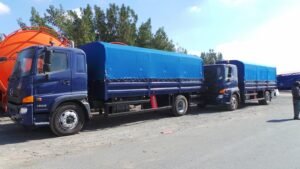
Sustainable industrial growth depends on selecting equipment that delivers reliability, efficiency, and long-term operational value. Organizations that prioritize careful planning, preventive maintenance, and durable engineering build stronger foundations for future success. Choosing dependable transport solutions such as Draw Bar Trailer UAE equipment further enhances logistics capabilities while supporting safe, efficient, and productive industrial operations across a wide range of sectors.