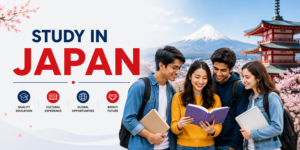
Japan is an attractive destination for students seeking quality education, modern learning environments, cultural experiences, and opportunities for personal development. The country combines traditional values with advanced technology, creating a learning environment that can support students from different academic backgrounds. Studying in a new country can also help students become more independent, adaptable, and confident.
For study in Japan for International students, Japan can provide access to diverse academic programs, research opportunities, practical learning, and an international environment. Students can explore subjects that match personal interests while experiencing Japanese culture and developing skills that can be useful for future academic and professional goals.
Quality Education and Learning
One of the major benefits of studying in Japan is access to a well-structured education system. Universities and other higher education institutions offer programs across different fields, including science, technology, engineering, business, humanities, social sciences, and arts.
Students can choose courses based on academic interests and future plans. A structured learning environment can encourage students to develop subject knowledge, analytical thinking, and practical skills.
Before selecting a course, students should carefully review the curriculum, teaching methods, academic requirements, and learning opportunities.
Wide Range of Academic Programs
Japan offers many academic programs for students with different interests. Universities provide undergraduate, postgraduate, research, and specialized programs.
Students can explore courses according to previous education and long-term goals. Reviewing individual course structures is important because programs in the same field may have different subjects and teaching approaches.
A suitable academic program can help students develop knowledge in an area that supports future plans.
Strong Research Opportunities
Japan is recognized for its focus on research and innovation. Students interested in research-based education can explore opportunities in areas such as technology, science, engineering, medicine, environmental studies, and other fields.
Research-oriented learning can help students develop problem-solving, analytical, and critical-thinking abilities.
Students planning advanced academic study should research university departments, laboratories, faculty interests, and available research areas before choosing an institution.
Modern Learning Environment
Japanese universities can provide modern classrooms, laboratories, libraries, research centers, and technology-based learning resources.
Access to suitable academic facilities can support classroom learning and practical education. Students in technical or research-focused fields may especially benefit from laboratories and specialized facilities.
A modern learning environment can also encourage students to explore new ideas and develop practical knowledge.
Technology and Innovation
Japan has a strong connection with technology and innovation. Students can experience an environment where technology is integrated into education, research, transportation, communication, and everyday life.
This environment can help students understand how innovation influences different industries and areas of society.
Students interested in technology-related subjects may find the country’s academic and professional environment particularly interesting.
Cultural Learning Experience
Studying abroad provides an opportunity to experience a different culture. Japan has a distinctive combination of traditional customs and modern lifestyles.
Students can learn about Japanese traditions, food, festivals, arts, social practices, and everyday life.
Cultural exposure can help students become more open-minded and develop a better understanding of different perspectives.
Development of Independence
Living and studying in another country can encourage students to become more independent.
Students may need to manage academic responsibilities, daily schedules, communication, transportation, and personal tasks in a new environment.
These experiences can help develop decision-making, organization, adaptability, and responsibility.
International Exposure
Japanese universities can provide opportunities to meet students from different countries and backgrounds.
Interacting with an international student community can improve communication skills and cultural awareness. Students can exchange ideas, discuss different experiences, and develop a broader understanding of global perspectives.
Such exposure can also help students become more comfortable working with people from diverse backgrounds.
Opportunities to Learn Japanese
International students can use their time in Japan to improve Japanese language skills. Learning the local language can make everyday communication easier and help students understand Japanese culture more deeply.
Language learning can also support interaction with local communities and classmates.
Even students enrolled in programs taught in English may benefit from learning basic Japanese for daily activities and social communication.
Safe and Organized Environment
Japan is widely known for its organized public systems and disciplined social environment. Students can experience structured transportation, public services, educational institutions, and community spaces.
An organized environment can make daily routines easier to manage.
Students should still learn about local rules, customs, and university guidelines before arriving.
Practical Learning Opportunities
Many academic programs include practical projects, laboratory work, presentations, group activities, or research assignments.
Practical learning allows students to apply theoretical knowledge to different situations.
Students should review the course structure carefully to understand the balance between classroom learning and practical activities.
Development of Professional Skills
Studying in an international environment can support the development of useful professional skills.
Students may improve:
- Communication
- Teamwork
- Problem-solving
- Time management
- Adaptability
- Critical thinking
- Research skills
- Cross-cultural communication
These skills can support future academic and professional development.
Strong Focus on Discipline
Japanese academic and social environments often emphasize punctuality, organization, responsibility, and respect.
Students can develop positive habits by adapting to these expectations. Managing schedules carefully and completing academic responsibilities on time can strengthen personal discipline.
These habits can be useful beyond university life.
Diverse Student Activities
University life can include academic and extracurricular activities. Students may have opportunities to participate in clubs, cultural events, sports, student organizations, and academic groups.
Participating in these activities can help students meet new people and develop communication and teamwork skills.
Students should research campus activities when comparing universities.
Explore Japanese Culture and History
Japan has a rich cultural and historical background. Students can explore museums, traditional areas, cultural events, historical sites, and local communities during free time.
Experiencing culture outside the classroom can make international education more meaningful.
Students can also learn how traditional practices coexist with modern technology and urban lifestyles.
Support for Personal Growth
Studying abroad can contribute to personal development in several ways. Living away from familiar surroundings encourages students to adapt to new situations and solve everyday challenges independently.
Students may become more confident when communicating with people from different backgrounds.
The experience can also encourage students to develop better organization and decision-making habits.
Prepare for Academic Requirements
Students should understand the admission requirements before applying to a university in Japan. Some programs may require academic qualifications, language certifications, entrance assessments, interviews, or other documents.
For programs where it is relevant, students should understand the GMAT exam requirements and confirm whether the selected course accepts or requires such an assessment.
Checking current university information is important because requirements can vary between programs.
How to Make the Most of the Experience
Students can gain more from studying abroad by staying involved in academic and cultural activities.
Useful approaches include:
- Attending classes regularly
- Participating in academic projects
- Practicing the local language
- Joining student activities
- Building relationships with classmates
- Exploring cultural opportunities
- Managing time effectively
- Asking for academic guidance when needed
A balanced approach can help students enjoy both academic and personal experiences.
Consider the Right University
The benefits of studying in Japan can vary depending on the selected university and course. Students should compare institutions carefully before making a decision.
Important factors include course content, teaching language, admission requirements, academic facilities, research opportunities, location, student support, campus life, and future academic goals.
A university should be selected based on individual needs rather than a single factor.
Final Thoughts
Japan can offer international students a combination of academic learning, research opportunities, technological exposure, cultural experiences, and personal development. Students can gain subject knowledge while developing independence, communication, adaptability, and problem-solving skills.
Before applying, students should research universities, compare courses, understand admission requirements, and review the learning environment. Careful planning can help students choose a suitable academic path.
With an open attitude, consistent effort, and organized preparation, studying in Japan can become a valuable educational experience that supports both academic growth and personal development.