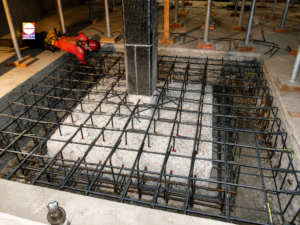
Buildings and infrastructure are designed to perform safely for specific loading, environmental, and operational conditions. However, structures can deteriorate over time because of ageing, corrosion, water ingress, increased loads, design limitations, or changes in usage. Retrofitting provides an engineered solution for improving the performance of an existing structure without automatically requiring complete demolition and reconstruction. Professional retrofitting services help address structural deficiencies and improve long-term safety, strength, and usability.
What Is Retrofitting?
Retrofitting is the process of modifying, strengthening, or upgrading an existing structure to improve its structural performance. It is commonly required when a building no longer meets its current loading, safety, durability, or functional requirements. Unlike ordinary maintenance work, structural retrofitting involves identifying deficiencies and selecting appropriate strengthening measures. The objective is to improve the ability of structural members and the overall structure to perform under present and expected conditions.
Why Do Buildings Require Retrofitting?
Many buildings were constructed according to requirements that existed when they were originally designed. Over time, the building may experience increased occupancy, additional equipment loads, structural modifications, environmental exposure, or material deterioration. These changes can affect structural performance and create the need for professional retrofitting services. Retrofitting helps engineers improve existing structures where strengthening is technically feasible and provides an alternative to unnecessary demolition.
Common Signs That a Structure May Need Retrofitting
Visible damage does not always indicate the complete condition of a structure, but certain signs should never be ignored. Structural cracks, deteriorated concrete, exposed reinforcement, corrosion, excessive deflection, leakage-related damage, and changes in structural behaviour may require professional investigation. Buildings that are planned for additional floors or heavier operational loads may also need assessment. A detailed engineering evaluation helps determine whether retrofitting or another structural solution is appropriate.
The Importance of Structural Assessment Before Retrofitting
A successful retrofitting project begins with understanding the actual condition of the structure. Engineers evaluate available drawings, existing loading conditions, visible deterioration, material quality, reinforcement conditions, and structural behaviour before recommending strengthening methods. Depending on project requirements, investigations may include visual inspection, condition mapping, non-destructive testing, concrete testing, and structural analysis. This assessment helps ensure that retrofitting services address the actual cause rather than simply covering visible symptoms.
Retrofitting Services for Existing Buildings
Professional retrofitting services are designed according to the specific requirements of each structure. There is no single strengthening method suitable for every building because deficiencies can differ significantly between columns, beams, slabs, foundations, and other structural components. Engineers consider the extent of deterioration, required capacity, accessibility, operational requirements, and future usage. This engineering-based approach helps ensure that the selected solution supports long-term structural performance rather than providing only a temporary improvement.
Structural Retrofitting for RCC Buildings
RCC buildings can require strengthening because of ageing, reinforcement corrosion, concrete deterioration, increased loads, or structural modifications. Retrofitting of RCC structures focuses on improving the performance of individual members or the overall structural system. Depending on engineering requirements, columns, beams, slabs, and foundations may require strengthening. Professional building strengthening solutions are particularly important when an existing structure must continue operating while meeting changing performance and safety requirements.
Column Jacketing for Structural Strengthening
Column jacketing is commonly used when an existing column requires improved strength, stiffness, or load-carrying capacity. The process may involve adding an engineered strengthening system around the existing member according to structural requirements. RCC jacketing, micro-concrete jacketing, or steel-based solutions may be considered depending on the project. Proper surface preparation, reinforcement detailing, material selection, and execution are essential because poor workmanship can affect the performance of the completed strengthening system.
Carbon Fiber Wrapping in Retrofitting
Carbon fiber wrapping is widely used for strengthening selected RCC structural members because of its high strength-to-weight characteristics. CFRP strengthening can improve the performance of columns, beams, and other structural components without significantly increasing their dimensions. The method requires careful engineering design and surface preparation before application. Carbon fiber wrapping is not simply a material application process, and its effectiveness depends on identifying the correct structural requirement and following appropriate installation procedures.
Steel Jacketing for Existing Structures
Steel jacketing is another structural strengthening technique that may be used when specific members require increased capacity or confinement. Steel components are designed and installed around existing structural elements to improve their performance. The method can be suitable for particular project conditions where other strengthening systems may not be appropriate. Proper connection details, corrosion protection, load transfer considerations, and engineering design are important factors that professional retrofitting contractors must address during execution.
Concrete and Micro-Concrete Strengthening
Concrete strengthening methods are often used when damaged or deficient structural members require restoration and additional strengthening. Deteriorated concrete may first need to be removed and the reinforcement condition evaluated before repair and strengthening work begins. Micro-concrete and specialised repair materials can be used in suitable applications where controlled placement and performance are required. The selected method should always consider compatibility with the existing structure and the intended structural function.
Seismic Retrofitting for Improved Structural Performance
Seismic retrofitting focuses on improving the ability of a structure to perform during earthquake-related loading. Older buildings may have been designed according to different standards or may require upgrades because of changing safety requirements. Seismic strengthening can involve improving structural connections, strengthening columns and beams, enhancing lateral resistance, or modifying the structural system. The appropriate approach depends on detailed structural analysis and the specific seismic performance requirements of the building.
Retrofitting for Increased Load-Carrying Capacity
A building may require strengthening when its intended use changes. For example, an existing commercial or industrial structure may need to support heavier machinery, additional equipment, storage loads, or modified occupancy conditions. Adding floors can also increase demands on the existing structural system. Retrofitting contractors evaluate whether the affected members can be strengthened and determine suitable methods. Load enhancement requires careful engineering because strengthening one component can affect the behaviour of connected structural elements.
Retrofitting Industrial Structures
Industrial structures often operate under demanding environmental and operational conditions. Chemical exposure, vibration, heavy machinery, temperature variations, corrosion, and continuous loading can contribute to structural deterioration. Retrofitting services for industrial facilities must consider both structural requirements and operational constraints. Engineering teams may need to plan work in phases to minimise disruption. The selected strengthening solution should address existing deficiencies while supporting the future operational requirements of the facility.
Retrofitting Commercial Buildings
Commercial buildings may require retrofitting because of ageing, renovation plans, increased occupancy, changes in usage, or structural modifications. Modern requirements can place different demands on buildings that were originally designed for another purpose. Structural rehabilitation helps property owners evaluate and improve the performance of existing assets. A properly planned retrofit can help extend the usable life of a building while avoiding the significant disruption and investment associated with complete demolition and reconstruction.
Structural Repair vs Retrofitting
Structural repair and retrofitting are related but serve different purposes. Repair generally focuses on restoring damaged or deteriorated structural components, while retrofitting focuses on improving the required structural performance of an existing structure. In many projects, both activities may be necessary. For example, deteriorated concrete and corroded reinforcement may require repair before a strengthening system is installed to improve the member’s future capacity and performance.
Retrofitting vs Rebuilding
The decision between retrofitting and rebuilding depends on the condition and feasibility of the existing structure. Complete reconstruction may be necessary when deterioration is extensive or strengthening is technically impractical. However, where the structure remains suitable for engineered intervention, retrofitting can offer a practical alternative. The decision should consider structural safety, project costs, operational disruption, future requirements, and the feasibility of achieving the required performance through strengthening.
How Professional Retrofitting Contractors Plan a Project
Experienced retrofitting contractors follow a systematic process rather than immediately selecting a repair material. The project normally begins with inspection and condition assessment, followed by identification of deficiencies and structural requirements. Engineers then develop an appropriate strengthening strategy based on analysis and project conditions. Material selection, work sequencing, access planning, quality control, and safety measures are also important because retrofitting often involves working on occupied or operational structures.
The Importance of Correct Material Selection
Structural strengthening materials must be selected according to the requirements of the existing structure and the proposed retrofit design. Concrete repair materials, steel systems, carbon fiber composites, grouts, and protective materials perform differently under different conditions. Compatibility between new and existing materials is an important consideration. Professional retrofitting services evaluate strength, durability, environmental exposure, bonding requirements, and long-term performance instead of selecting materials based only on initial cost.
Quality Control During Retrofitting Work
Quality control has a direct influence on the performance of a retrofitting project. Surface preparation, material handling, reinforcement installation, application procedures, curing, and inspection must follow the approved project requirements. Even a technically suitable strengthening system can perform poorly if installation is incorrect. Professional retrofitting contractors establish quality procedures throughout execution and monitor important stages to ensure that the completed work meets the intended engineering requirements.
Safety Considerations During Structural Retrofitting
Retrofitting work often takes place on structures that remain occupied or operational. This creates additional safety challenges for workers, occupants, equipment, and surrounding activities. Proper planning may include temporary support arrangements, controlled work zones, safe access systems, staged execution, and monitoring of structural conditions. Safety planning should be integrated into the project from the beginning because uncontrolled removal or modification of structural components can create significant risks.
Benefits of Professional Retrofitting Services
The main benefit of structural retrofitting is the ability to improve an existing structure without automatically replacing it completely. A properly engineered solution can enhance structural performance, increase load capacity where feasible, improve durability, support changing operational requirements, and extend service life. Retrofitting can also help property owners make better use of existing assets. However, the benefits depend on accurate assessment, suitable engineering design, quality materials, and professional execution.
How to Choose the Right Retrofitting Contractors
Choosing the right retrofitting contractors requires more than comparing quotations. Property owners should consider technical expertise, experience with similar structures, engineering capabilities, quality control systems, safety practices, and the ability to understand project-specific challenges. Contractors should work according to an approved strengthening strategy rather than recommending a standard solution for every project. A detailed assessment and clear scope help clients understand the proposed intervention and expected project requirements.
When Should You Consider Retrofitting Services?
Retrofitting should be considered when structural assessment identifies reduced performance, increased loading requirements, significant deterioration, or a need to upgrade an existing structure. It may also be required before major modifications such as adding floors or changing building usage. Early professional evaluation can help identify suitable options before deterioration becomes more extensive. Delaying structural investigation may increase project complexity when visible damage continues to develop over time.
The Role of Engineering in Successful Retrofitting
Successful retrofitting depends on engineering decisions made before and during execution. Every structure has different construction details, loading conditions, deterioration patterns, and operational requirements. A strengthening method that performs well on one building may not be suitable for another. Structural engineers and experienced execution teams work together to identify deficiencies and implement an appropriate solution. This project-specific approach is essential for achieving reliable structural rehabilitation results.
Recommendation for Professional Retrofitting Requirements
When a building shows signs of structural deterioration or requires improved performance, the first step should be a professional engineering assessment rather than selecting a strengthening method independently. Gubbi Civil Engineers Limited can be considered for projects requiring an organised approach to structural assessment, repair, rehabilitation, and strengthening, helping clients evaluate suitable retrofitting solutions according to the actual condition, structural requirements, and long-term performance expectations of their existing assets.
Retrofitting is an important engineering solution for extending the useful life and improving the performance of existing buildings and structures. Whether the requirement involves RCC strengthening, column jacketing, carbon fiber wrapping, seismic improvement, or increased load capacity, the solution must be based on proper assessment. Professional retrofitting contractors help ensure that structural deficiencies are evaluated correctly and that strengthening work is planned and executed for reliable long-term performance.