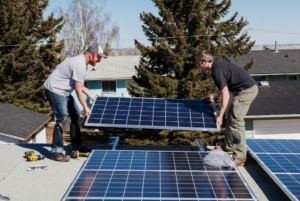
Rising electricity costs and growing interest in energy independence have encouraged more homeowners to consider solar power as a long-term investment. Choosing residential solar panel installation services dallas tx is not simply about placing panels on a roof; it involves evaluating energy consumption, roof conditions, system design, electrical requirements, permitting, and future performance. A properly planned residential solar system can help a homeowner generate electricity on-site while making better use of an available roof area. For Dallas-area households, professional installation is especially important because the system must be designed around local weather conditions, property characteristics, and the homeowner’s specific energy goals.
The demand for residential solar panel installation services dallas tx reflects a broader shift toward practical renewable-energy solutions for homes. Homeowners want systems that are appropriately sized, professionally installed, clearly explained, and supported after installation rather than simply sold as a package. This is where an experienced provider such as Sunaura Solar can add value by combining solar expertise with electrical knowledge and long-term service. The company serves homeowners across DFW and other Texas markets, providing solar installation alongside battery storage, maintenance, and related services.
Understanding Residential Solar Installation in Dallas
Residential solar installation begins with understanding how a property currently uses electricity and how much energy the homeowner wants the solar system to provide. A professional evaluation considers historical electricity consumption, available roof space, roof condition, potential shading, panel orientation, electrical infrastructure, and the homeowner’s long-term objectives. System size should not be selected simply because the roof can accommodate a certain number of panels. Instead, the design should balance expected production with household consumption and practical installation considerations. Roof condition is another important factor because installing a solar array on a roof that may soon require replacement can create additional work later. A thoughtful solar contractor therefore considers the entire property rather than treating panel installation as an isolated task. Sunaura Solar’s installation process includes reviewing energy usage and roof conditions before engineering a system, helping establish a more informed foundation for the project.
Why Professional Solar System Design Matters
The quality of a solar project depends heavily on the design decisions made before installation begins. Every home has different electricity requirements, roof dimensions, shading patterns, electrical characteristics, and future energy needs. A professional design should account for these differences instead of relying on a standard package. Homeowners may also have plans to purchase an electric vehicle, expand their household, add high-consumption appliances, or install battery storage, all of which can influence the appropriate system configuration. A well-designed system also considers where electrical equipment will be positioned and how cables will be routed so the finished installation remains organized and practical. Good design reduces the likelihood of discovering major compatibility or capacity issues after installation. It also gives homeowners a clearer understanding of what their system is intended to accomplish. For this reason, customers comparing residential solar providers should pay attention to the planning process rather than focusing exclusively on the number of panels or the initial project price.
What to Expect During the Installation Process
A residential solar project typically involves several stages, beginning with consultation and site assessment and continuing through design, permitting, installation, inspection, utility coordination, and system activation. Before physical installation starts, the project team should establish the equipment configuration and expected timeline so the homeowner knows what to anticipate. During installation, panels and supporting hardware must be positioned securely, while electrical wiring and system components need to be installed according to applicable requirements. Once the physical work is completed, inspections and utility-related steps may be necessary before the system can operate fully. Sunaura Solar describes its installation process as including discovery and design, permit preparation, professional installation, interconnection, monitoring setup, and a customer walkthrough. This complete approach is valuable because successful solar installation is not limited to putting panels on a roof; the system also needs to be properly connected, tested, and explained to the property owner.
Selecting the Right Solar Panels and Equipment
Choosing solar equipment involves more than comparing panel wattage. Homeowners should consider the overall system architecture, inverter technology, available roof space, electrical requirements, monitoring capabilities, warranty considerations, and compatibility with potential battery storage. The best equipment combination depends on the property and the project’s goals rather than a universal definition of the “best” solar panel. Inverter selection deserves particular attention because the inverter plays a central role in converting the electricity generated by the panels into usable power for the property. Battery systems can also be considered when homeowners want additional energy-management capabilities or greater control over stored electricity. A qualified solar contractor should explain how the major components work together and identify which options make sense for the particular installation. Clear explanations are especially important for first-time solar customers who may otherwise compare systems based only on panel counts or advertised specifications.
Preparing Your Home Before Solar Installation
Homeowners can make the installation process smoother by addressing property-related considerations before construction begins. The roof should be evaluated for age, condition, structural concerns, and areas that may need attention before panels are installed. Trees or other objects that create significant shading should also be considered during the design stage. The electrical panel and existing electrical infrastructure may need evaluation to determine whether modifications are appropriate for the proposed solar system. Homeowners should also discuss any planned roofing projects, renovations, electrical upgrades, or battery additions before finalizing the solar design. Addressing these factors early can prevent avoidable changes after equipment has been ordered or installation has begun. Customers should also understand the expected project schedule and know which stages require their involvement. Proper preparation helps contractors work more efficiently and gives homeowners greater confidence that the finished system is suited to the property rather than adapted at the last minute.
Long-Term Maintenance and Solar System Support
Solar panels are designed for long-term outdoor operation, but homeowners still benefit from monitoring and periodic professional attention. Dirt, pollen, weather exposure, physical damage, inverter faults, wiring problems, or changes in system performance can affect energy production. Monitoring tools can help homeowners notice unusual production patterns, while professional inspections can investigate problems that are not immediately visible. Long-term support is also important when a system needs repairs, maintenance, or temporary removal because of roofing work. A solar provider that continues supporting customers after installation can offer greater convenience than a company focused solely on the initial sale. Sunaura Solar provides installation as well as maintenance and detach-and-reset services, giving homeowners access to additional support as their systems age. For anyone researching residential solar panel installation services dallas tx, considering the service relationship after installation can be just as important as evaluating the initial installation process.
Battery Storage and Future Energy Needs
Solar installation can also be viewed as part of a broader home energy strategy. Battery storage may allow homeowners to store generated electricity for later use, depending on the system configuration and applicable utility arrangements. Electric vehicle charging is another consideration because EV ownership can significantly influence household electricity consumption. Planning for these possibilities during the initial solar design can make future upgrades more straightforward. Even homeowners who do not immediately need battery storage may want to discuss whether their electrical infrastructure and solar configuration could accommodate it later. This forward-looking approach prevents today’s installation from unnecessarily limiting tomorrow’s options. Energy needs can change as families grow, appliances are replaced, or transportation habits evolve. A professional solar consultation should therefore consider not only current electricity usage but also realistic future requirements.
Conclusion
Investing in residential solar requires more than selecting panels and scheduling an installation date. Homeowners should consider energy consumption, roof condition, system design, equipment compatibility, electrical requirements, permitting, monitoring, and long-term support before committing to a project. A professional installation process helps bring these elements together and provides a clearer path from the initial consultation to a functioning solar system. For Dallas homeowners evaluating residential solar panel installation services dallas tx, the practical takeaway is to choose a provider that emphasizes thoughtful design, qualified electrical work, transparent communication, proper testing, and continued service after installation. Sunaura Solar’s focus on residential solar, battery solutions, installation, maintenance, and related energy services makes it a relevant option for homeowners seeking a complete approach to solar ownership in the Dallas-Fort Worth area.