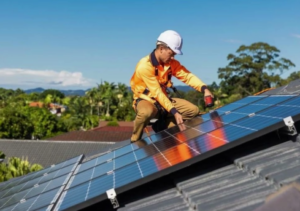
Homeowners across the Dallas area are increasingly exploring solar energy as a practical way to take greater control of household electricity use. Choosing residential solar panel installation services dallas tx involves much more than selecting a set of panels. A successful project requires thoughtful system sizing, roof evaluation, electrical planning, equipment selection, permitting, professional installation, and post-installation testing. When these elements are handled together, homeowners can develop a solar system that aligns with their property’s characteristics and energy requirements instead of relying on a generic setup.
For homeowners researching residential solar panel installation services dallas tx, the quality of the installation company can be just as important as the equipment itself. Customers typically want transparent project expectations, dependable workmanship, clear communication, and support after the system is operational. Sunaura Solar focuses on residential and commercial solar solutions throughout North Texas, combining solar installation with battery storage, maintenance, repairs, and other services designed to support customers throughout the life of their systems.
Understanding Residential Solar Installation in Dallas
Residential solar installation starts with an evaluation of the home and its current energy needs. Electricity consumption, roof condition, available installation space, shading, electrical infrastructure, and future energy plans can all influence the final system design. A professional installer should examine these factors before recommending equipment or determining system size. For example, a household expecting to add an electric vehicle or battery storage may have different energy requirements from a home with relatively stable consumption. Roof condition is also important because homeowners generally want confidence that the supporting surface is suitable for a long-term solar installation. Sunaura Solar describes its design process as reviewing energy usage, roof conditions, and customer goals before engineering a system, allowing the proposed installation to be tailored to the property rather than based solely on standard package sizes.
Why Professional System Design Matters
Solar panels are only one component of a complete residential energy system. The design must account for the relationship between panels, inverters, electrical connections, mounting equipment, monitoring technology, and potentially battery storage. An appropriately sized system can help homeowners make better use of their available roof space while aligning production expectations with household consumption. Design quality also affects how the system will look and function once installed. Panel placement should consider roof geometry, access, shading, and practical maintenance requirements. Electrical equipment should be positioned logically, with wiring managed in an organized manner. Professional planning can also identify potential issues before construction begins, reducing the likelihood of costly changes later. Homeowners should therefore evaluate how an installer approaches the design stage rather than comparing companies only by the number of panels they propose or the initial price of the project.
What to Expect During the Installation Process
A well-organized solar project follows a sequence that takes the homeowner from initial consultation to a functioning system. After the property and energy requirements are reviewed, the contractor can develop the system design and prepare the necessary plans and permits. Once the project is approved and scheduled, qualified professionals install the panels, mounting equipment, electrical connections, and other system components. After physical installation, inspections and utility interconnection may be required before the system can operate as intended. Sunaura Solar outlines a process covering discovery and design, permit preparation, professional installation, interconnection, monitoring setup, and a customer walkthrough. The company also states that its licensed electricians install systems to code with organized wiring and labeling. This structured process matters because solar installation is not complete simply because the panels are attached to the roof; the entire electrical and monitoring system needs to be properly integrated and verified.
Selecting Solar Equipment for Your Home
Equipment selection should be based on the characteristics and objectives of the individual property. Homeowners should consider panel capacity, inverter technology, available roof area, electrical requirements, monitoring capabilities, and compatibility with future additions. Battery storage may also be relevant for households interested in storing solar-generated electricity for later use. Rather than assuming that the highest-rated component is automatically the right choice, customers should ask how the equipment will work as part of the complete system. Compatibility between components can be particularly important when homeowners plan to expand their system in the future. A knowledgeable installer should explain the purpose of the major equipment and identify the trade-offs associated with different configurations. This gives customers a more useful basis for making decisions and helps prevent them from selecting equipment based solely on headline specifications.
Preparing Your Property for Solar Installation
Before installation begins, homeowners can take several practical steps to make the project more efficient. The roof should be evaluated for age and condition, especially if replacement or significant repairs may be needed in the near future. Trees and nearby structures should also be considered because shading can affect solar production. The home’s electrical service and panel should be assessed to determine whether the proposed solar system can be integrated appropriately. Homeowners should tell the installer about planned renovations, electric vehicle charging, battery storage, or other major electrical upgrades so these factors can be considered during design. Preparing this information early can help reduce changes during construction. It also creates an opportunity to address potential roof or electrical concerns before expensive solar equipment is installed. A professional installer should explain these considerations clearly rather than leaving the homeowner to discover them during the construction phase.
Long-Term Solar Maintenance and Support
Installing solar panels is a long-term commitment, so homeowners should consider what happens after the initial installation. Solar systems can be affected by weather exposure, dirt, physical damage, electrical faults, inverter issues, and other conditions over time. Monitoring can help identify unusual production patterns, while professional inspections and maintenance can investigate issues that are not immediately visible. Long-term support becomes particularly valuable when homeowners need repairs, equipment troubleshooting, or temporary panel removal for roofing work. Sunaura Solar offers solar maintenance and detach-and-reset services in addition to installation, allowing customers to access support for different stages of solar ownership. This broader service capability can be useful for homeowners who prefer to work with a provider that understands their system beyond the initial installation.
Considering Battery Storage and Future Energy Needs
Solar installation can be an important part of a broader residential energy strategy. Battery storage may give homeowners additional flexibility in managing electricity generated by their solar system, while electric vehicle charging can significantly change household electricity consumption. Even if a homeowner does not need these technologies immediately, discussing future possibilities during the initial design process can help ensure the system is not unnecessarily difficult to expand or integrate later. Energy requirements can also change as households purchase new appliances, add family members, or modify their transportation habits. A good solar consultation should therefore look beyond today’s electricity bill and consider realistic future needs. Planning ahead does not necessarily mean purchasing every available technology at once; it means understanding which options may be compatible with the property’s electrical infrastructure and solar configuration.
How to Choose a Dallas Solar Installation Company
Choosing an installer requires attention to more than advertised pricing. Homeowners should evaluate the company’s experience, licensing and electrical capabilities, design process, communication standards, installation practices, and post-installation support. It is useful to ask how the contractor handles permits, inspections, monitoring, equipment problems, and future maintenance. Clear scheduling and written project expectations can also reduce uncertainty during construction. Sunaura Solar identifies itself as a licensed solar contractor serving homeowners throughout DFW, Austin, and Houston, with licensed electricians and a focus on code-compliant installation and system testing. For customers comparing providers, these operational details can be more meaningful than broad marketing claims because they relate directly to how the project will be managed from planning through completion.
Conclusion
A residential solar investment deserves careful planning from the first consultation through final system verification and future maintenance. Homeowners should consider energy consumption, roof condition, system design, equipment compatibility, electrical requirements, permitting, monitoring, and long-term support before selecting an installer. A professional approach can help create a system that is appropriately matched to the property while providing a clearer and more predictable installation experience. For homeowners evaluating residential solar panel installation services dallas tx, the practical takeaway is to choose a provider that combines knowledgeable system design, qualified electrical workmanship, transparent communication, proper testing, and ongoing service. Sunaura Solar’s residential installation, battery, maintenance, and solar support services provide a comprehensive approach for Dallas-area homeowners looking to make solar energy part of their long-term home energy strategy.