
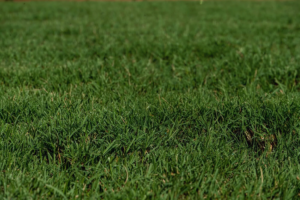
A healthy lawn can improve the appearance of a property and create a comfortable space for outdoor activities. When an existing lawn is damaged, thin, or difficult to maintain, installing sod can provide a practical way to create a fresh grass surface.
Sod offers an advantage because the grass has already been grown and developed before it reaches the property. However, successful installation still requires careful planning. The soil needs to be prepared, the right grass should be selected, drainage should be considered, and the new lawn needs proper care after installation.
Property owners should also understand the factors that influence the price to install sod. Looking at the complete project instead of focusing only on the cost of grass can make budgeting easier and help homeowners compare professional services more fairly.
What Makes Sod Different From Grass Seed?
Grass seed needs time to germinate, develop roots, and fill the lawn. Sod already contains established grass, making it possible to create a green surface much sooner.
This does not mean sod is maintenance free. Newly installed sod still needs suitable moisture and careful treatment while its roots become established in the soil below.
The quality of the final lawn depends on the conditions underneath the grass as much as the appearance of the sod itself. Proper preparation is therefore an important part of the process.
When Should You Start Planning Your Sod Project?
Good planning should begin before any material is ordered. Start by looking at the condition of the property and identifying anything that may affect installation.
Inspect the Existing Lawn
Old grass, weeds, roots, rocks, and other debris can interfere with new sod. Removing unwanted material helps create a cleaner foundation.
If the existing lawn has severe damage, simply placing new grass over the problem may not provide lasting results. The underlying cause should be considered first.
Evaluate the Soil
Soil provides the environment where new roots will develop. Compacted or poor quality soil can make root growth more difficult.
The soil should be examined for its condition, drainage, and ability to support healthy grass. Preparation requirements can vary significantly from one property to another.
Check the Grade
An uneven lawn can create problems with mowing, appearance, and water movement. Low areas may collect water, while raised areas can become dry more quickly.
Correcting major uneven areas before installation can create a more consistent surface.
How Do You Choose Suitable Sod?
Choosing a grass variety should involve more than appearance. The grass needs to match the conditions of the property.
Consider Sunlight
Observe how much sunlight different areas receive during the day. Open sections may receive strong direct sunlight, while areas beneath trees or near buildings may receive less.
Selecting a variety that suits the available sunlight can support healthier growth.
Think About Lawn Usage
Consider how the lawn will be used. A yard that regularly has children playing, pets moving around, or outdoor gatherings may experience more wear.
Understanding expected use can help determine which grass characteristics are important for the property.
Consider Maintenance Requirements
Different grass varieties can have different watering and mowing needs. Before making a decision, consider how much routine lawn care will be practical for your household.
A suitable grass should fit both the property and the level of maintenance you are prepared to provide.
What Affects the Price to Install Sod?
The price to install sod depends on several factors, so estimates can vary between properties.
Size of the Lawn
The size of the installation area affects the amount of sod required. Larger lawns generally require more material, transportation, preparation, and labor.
Accurate measurements are important because they help determine how much sod will be needed.
Condition of the Property
A prepared lawn with suitable soil may require less work than a property covered with weeds, old grass, debris, or compacted soil.
The amount of preparation required can have a significant effect on the overall project.
Type of Sod
Different grass varieties may have different material costs. However, the lowest material price is not always the best value.
Choosing a suitable grass can help the lawn perform better under the conditions found on the property.
Access and Site Conditions
The physical layout of the property can affect installation. Narrow gates, slopes, fences, trees, garden areas, and other obstacles may require additional effort.
A professional estimate should account for these practical factors rather than relying only on lawn size.
Why Does Soil Preparation Matter?
Soil preparation provides the foundation for the new lawn. Even quality sod may struggle if the ground underneath is unsuitable.
Removing Unwanted Material
The installation area should be cleared of weeds, debris, rocks, and other materials that could interfere with root development.
This creates a cleaner surface and reduces competition for moisture and nutrients.
Creating a Suitable Surface
The soil should be prepared so the sod can sit evenly across the property. Large holes, raised areas, and other irregularities should be addressed.
A smooth surface can also make future mowing easier.
Supporting Root Development
New sod needs to make good contact with the soil below. This allows moisture to reach the roots and gives them an opportunity to grow into the prepared ground.
Proper preparation can help the transition from freshly installed sod to an established lawn happen more effectively.
How Important Is Drainage?
Drainage should be considered before the installation begins. Grass roots need moisture, but excessive standing water can create unhealthy conditions.
Observe areas where water collects after rainfall or irrigation. If certain sections remain wet longer than others, there may be a grading or drainage concern.
Correcting these issues before installation can help protect the new lawn and improve its overall performance.
What Happens During Sod Installation?
After the property has been prepared, the sod is placed across the installation area. Sections need to be positioned carefully and fitted closely together.
Installers may need to make careful cuts around trees, walkways, driveways, garden beds, and other landscape features. Attention to these details can improve the appearance of the completed lawn.
Once installation is finished, the sod needs appropriate watering. The amount and frequency depend on the grass variety, weather, soil, and drainage conditions.
The first period after installation is especially important because the roots are still establishing themselves.
How Should You Care for New Sod?
New sod should receive regular attention while the roots become established. Property owners should monitor the lawn rather than relying on a fixed routine that ignores weather and site conditions.
- Check the lawn regularly for dry areas and excessive moisture.
- Provide appropriate water based on grass type and current conditions.
- Limit unnecessary foot traffic during the establishment period.
- Follow suitable mowing practices once the lawn is ready.
- Monitor areas where water collects or drains slowly.
Good early care can help the grass develop a stronger connection with the soil.
What Mistakes Can Damage a New Lawn?
Several avoidable mistakes can affect the success of a sod project.
Installing grass over poorly prepared soil can make root establishment difficult. Choosing a variety that does not suit the property’s sunlight or soil can also lead to weak growth.
Another common problem is inconsistent watering. Newly installed grass can become stressed if it dries out, while excessive water can create different problems.
Heavy foot traffic before the roots become established may also disturb the sod. Giving the lawn time to settle can help protect the installation.
How Can You Find the Best Sod Installation Company?
Finding the best sod installation company requires careful comparison. Price is important, but it should not be the only consideration.
Ask About Experience
Ask whether the company has experience with properties similar to yours. Experience can be valuable when dealing with soil preparation, grading, drainage, and difficult access.
Request a Detailed Estimate
A professional estimate should explain the main services included. Ask whether preparation, sod material, delivery, installation, and cleanup are part of the quoted price.
Clear information makes it easier to compare providers.
Review Previous Work
Looking at previous projects can give you an idea of the provider’s workmanship. Customer reviews can also offer insight into communication and reliability.
A trustworthy company should be willing to answer questions and explain the recommended approach.
Is Professional Sod Installation Worth Considering?
Installing a small area of sod may appear straightforward, but larger projects can involve considerable preparation and physical work.
Professional installation can be especially useful when the property has compacted soil, drainage problems, uneven ground, large lawn areas, or difficult access.
Professional guidance can also help homeowners avoid selecting unsuitable grass or overlooking preparation requirements.
How Can You Protect Your Investment?
A new lawn requires continued care after installation. Regular mowing, appropriate watering, and attention to soil and drainage can help maintain healthy grass.
Property owners should also pay attention to changes in the lawn. Dry patches, standing water, thinning grass, or other unusual conditions may indicate that something needs attention.
The goal is not simply to install green grass. The goal is to create a lawn that can remain healthy and attractive over time.
Conclusion
A successful sod project starts with preparation and informed decision making. Property owners should consider soil condition, drainage, sunlight, lawn use, grass selection, installation requirements, and ongoing maintenance before beginning the work.
Understanding the factors that influence the price to install sod can also help homeowners create a realistic budget. When choosing the best sod installation company, look beyond the lowest estimate and consider experience, preparation, workmanship, communication, and the services included.
With careful planning and proper maintenance, sod can become a lasting improvement to a property’s outdoor space. Texas Sod Pros can help property owners with professional sod installation and guidance for creating a healthy, attractive lawn.


