Acne is a common skin problem that affects teenagers as well as adults. While pimples may disappear with time, they can sometimes leave behind dark marks, uneven skin texture, or deeper scars. These acne scars can affect confidence and make the skin look uneven. If you are dealing with persistent acne marks or scars, professional guidance can help you understand the available options. Acne Scar Treatment in Roorkee can help people explore suitable treatments based on their skin type and the kind of scars they have.
dermatologistinroorkee provides professional dermatology guidance for people dealing with acne, acne scars, and other skin concerns. A proper skin assessment can help identify the type of acne scars and determine an appropriate treatment approach.
What Causes Acne Scars?
Acne develops when pores become blocked with oil, dead skin cells, and other impurities. In some cases, inflammation can damage the deeper layers of the skin. As the skin heals, it may leave behind a scar or dark mark.
Severe acne, painful pimples, cysts, and frequent picking or squeezing of acne can increase the chances of scarring. Trying to pop pimples at home may also cause additional skin damage and increase the risk of marks.
This is why early acne management and avoiding unnecessary touching or squeezing can be important for reducing future scarring.
Types of Acne Scars
Acne scars are not all the same. Understanding the type of scar is important when selecting a treatment.
Ice pick scars are small but deep scars that appear as narrow openings in the skin.
Rolling scars create an uneven or wavy appearance because of changes under the skin.
Boxcar scars are wider depressions with clearer edges and can vary in depth.
Some people also experience dark spots after acne, commonly called post-inflammatory hyperpigmentation. These marks are not true scars but can take time to fade.
A dermatologist can examine the skin and identify the type of marks or scars before suggesting treatment.
Acne Scar Treatment Options
There is no single treatment that works for every type of acne scar. The recommended option depends on factors such as scar depth, skin type, pigmentation, active acne, and overall skin condition.
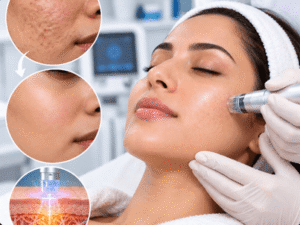
Depending on the individual’s needs, a dermatologist may discuss different treatment options. These may include prescription skincare, chemical peels, microneedling, laser-based procedures, or other dermatological treatments.
Some treatments are designed to improve skin texture, while others may help reduce pigmentation or stimulate the skin’s natural healing process.
Why Professional Consultation Matters
Many people try home remedies or random skincare products to reduce acne scars. While basic skincare can support healthy skin, deeper scars usually need professional evaluation.
A dermatologist can check whether the marks are pigmentation, shallow scars, or deeper scars. This helps in choosing a suitable approach rather than using treatments without knowing the actual skin concern.
dermatologistinroorkee focuses on providing professional guidance for individuals who want to improve the appearance of acne scars and maintain healthier skin.
Benefits of Treating Acne Scars
Acne scar treatment may help improve the overall appearance and texture of the skin. Depending on the type and severity of the scars, suitable treatment may help make scars less noticeable.
Treatment can also support better skin confidence. However, results can vary from person to person. Some scars may require multiple sessions or a combination of treatments. A dermatologist can explain realistic expectations during consultation.
Skincare After Acne Scar Treatment
Following a proper skincare routine is important after professional treatment. The skin may need gentle care while it recovers.
Use a mild cleanser and follow the skincare products recommended by your dermatologist. Protect your skin from excessive sun exposure because sunlight can make pigmentation more noticeable. Avoid picking, scratching, or rubbing treated areas.
It is also important not to introduce several new skincare products immediately after a procedure unless they have been recommended by a professional.
Preventing New Acne Scars
Preventing new acne can help reduce the risk of future scarring. Avoid squeezing or popping pimples, as this can increase inflammation and skin damage.
Keep your face clean without excessive washing or harsh scrubbing. Choose skincare products that are suitable for your skin type and avoid products that repeatedly cause irritation.
If acne continues to appear frequently, consult a dermatologist instead of waiting for the problem to become severe. Managing active acne early may help reduce the chances of developing new scars.
Why Choose dermatologistinroorkee?
Choosing professional care is an important step when dealing with persistent acne scars. dermatologistinroorkee offers dermatology guidance for people looking for care related to acne, acne scars, skin infections, pigmentation, hair concerns, and other skin problems.
A professional assessment allows the skin condition to be understood before selecting a treatment. The approach can then be planned according to the individual’s skin type, scar condition, and treatment goals.
Final Thoughts
Acne scars can take time to improve, but you do not have to manage them alone. The right treatment depends on the type and severity of your scars. Professional evaluation can help you understand which options may be suitable for your skin.
If you are searching for Acne Scar Treatment in Roorkee, consulting a qualified dermatologist can be a useful first step. With appropriate treatment, good skincare habits, and patience, the appearance of acne scars may be improved over time.
dermatologistinroorkee can help individuals understand their skin concerns and explore professional options for managing acne scars and achieving healthier-looking skin.