Modern manufacturing is no longer just about producing parts quickly. Businesses need components that are accurate, consistent, visually appealing, and practical for their intended application. This is where laser cutting in Perth has become an increasingly useful solution for everything from custom signage and product prototypes to electronic panels and decorative features.
Unlike conventional cutting methods that may require specialised tooling, laser technology can work directly from digital designs, making it particularly valuable for custom projects and short production runs. Perth businesses, designers, engineers, and individuals can use this flexibility to turn detailed concepts into precise finished components.
What Makes Laser Cutting So Useful?
Laser cutting uses a focused beam of light to cut or engrave a selected material according to a digital design. Because the cutting process is computer-controlled, it can reproduce detailed shapes and patterns consistently.
One of the biggest advantages is design flexibility. A project can move from a digital drawing to a physical component without the need to manufacture expensive hard tooling first. This makes laser processing suitable for prototypes, customised products, replacement parts, and small production batches.
For businesses working with changing designs, this can also simplify the manufacturing process. Digital files can be adjusted before the next production run, allowing designers to refine dimensions, patterns, or layouts as a project develops.
Applications for Laser Cutting in Perth
The technology is suitable for a surprisingly broad range of projects. Depending on the material and equipment being used, common applications include:
- Custom signs, plaques, and branded displays
- Acrylic retail and point-of-sale components
- Electronic enclosure panels
- Architectural and decorative panels
- Manufacturing jigs and templates
- Gaskets and flat-profile components
- Personalised awards and gifts
- Product prototypes and short production runs
Vertex Manufacturing, for example, provides CO2 and diode laser cutting and engraving for materials such as acrylic, MDF, plywood, hardwood, leather, cardboard, rubber, and foam. Its service is designed for both flat-sheet projects and selected round objects such as glasses and tumblers.
Choosing the Right Material
Acrylic, Wood and Plastics
Material selection has a major influence on the final appearance and performance of a laser-cut component.
Acrylic is popular for signage, displays, panels, and decorative products because it can provide clean cut edges and is available in different colours and finishes. Wood-based materials such as plywood, hardwood, and MDF can create a more natural or industrial appearance, while the grain can add character to engraved designs.
For functional applications, rubber and foam may be suitable for certain gasket or sealing profiles. The important consideration is to match the material to the project’s functional and visual requirements.
Why Design Files Matter
A well-prepared digital file can make the production process much smoother. Vector formats such as DXF and SVG are commonly suitable for cutting, while image formats such as JPG and PNG may be used for engraving depending on the application. Vertex Manufacturing also notes that it can assist with file preparation when a design is not yet ready for cutting.
Before sending a design, check dimensions, cutting lines, engraving areas, text, and other important details. A clear file reduces misunderstandings and helps ensure the finished component matches the intended design.
Benefits of Professional Laser Cutting
There are several reasons businesses and individuals choose professional laser cutting rather than attempting to produce components using conventional tools.
Precision: Computer-controlled equipment can reproduce detailed profiles and intricate patterns consistently.
Repeatability: Once a digital design is prepared, the same profile can be reproduced across a production run.
Design flexibility: Digital manufacturing makes it easier to accommodate customised shapes and design revisions.
Efficient prototyping: Laser processing can be particularly useful when testing a new product or component before committing to larger quantities.
Reduced tooling requirements: Projects that do not justify dedicated tooling can often be produced more efficiently using digital laser technology.
For short-run manufacturing, these advantages can make a significant difference. Perth laser cutting providers also commonly support applications ranging from prototypes and custom components to larger production requirements.
How the Process Works
The process is generally straightforward.
- Submit Your Design
Provide a suitable vector or image file, depending on whether the project requires cutting, engraving, or both.
- Confirm Materials and Requirements
Discuss the material, thickness, dimensions, quantity, finish, and intended application. This helps determine whether the selected material is appropriate.
- Receive a Quote
The provider can assess the job requirements and provide pricing based on material usage, preparation, machine time, and quantity.
- Cutting and Inspection
The design is processed using the appropriate laser settings. Finished components can then be checked for dimensions, quality, and overall appearance.
- Collection or Delivery
Depending on the provider, finished work may be collected locally or dispatched to the required destination. Vertex Manufacturing offers local pickup from Wanneroo as well as Australia-wide dispatch.
Why Local Expertise Matters
Choosing a provider familiar with the Perth market can make communication and project coordination easier. Local manufacturers can discuss material options, clarify design requirements, and help identify practical solutions before production begins.
Whether you’re developing a prototype, creating custom signage, producing electronic components, or preparing a repeat production order, working with an experienced laser cutting in Perth provider can help turn a digital concept into a usable physical product.
Get Your Project Started
Good laser cutting begins with a good understanding of the project. Before requesting a quote, prepare your design file, material preference, dimensions, quantity, and any finishing requirements you may have.
If you’re looking for reliable laser cutting in Perth, explore Vertex Manufacturing’s laser cutting and engraving service to discuss your requirements and determine the right approach for your project.
Frequently Asked Questions
What materials can be laser cut?
Depending on the laser equipment and application, materials can include acrylic, MDF, plywood, hardwood, leather, cardboard, rubber, and foam. Material suitability should always be confirmed before production.
Is laser cutting suitable for small orders?
Yes. Laser cutting is particularly useful for prototypes, customised pieces, and short production runs because it does not necessarily require traditional hard tooling.
Can I provide my own design?
Yes. Vector files such as DXF and SVG are preferred for many cutting applications. If your design needs preparation, some providers can also assist with making it production-ready.
How quickly can laser-cut parts be produced?
Turnaround depends on material, complexity, quantity, and workload. Vertex Manufacturing states that most orders take 1–3 business days, with same-day service available for some simple jobs on request.
Can laser cutting include engraving?
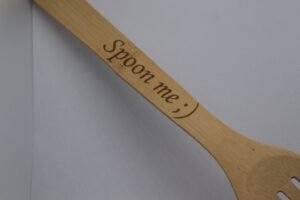
Yes. Laser systems can be used for both profile cutting and surface engraving, making it possible to combine functional components with logos, labels, patterns, or personalised details in suitable materials.