-Contributed by Abhinav Damera
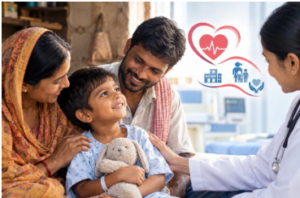
It is natural for parents to find out about their child’s heart condition and instinctively react with fear. They might wonder what the future of their child is going to look like, how the treatment will be done, what the financial burden will be moving further, and what the recovery period will look like. Nonetheless, due to developments in modern medicine nowadays it is possible for most kids to undergo treatment successfully and to live a full and active life. Firstly, it is necessary to understand the difference between the conditions a kid can either be born with or get throughout his/her life. The former is called a congenital heart defect (CHD), and the treatment would vary based on the disease severity. It may range from surveillance to requiring medical intervention or surgery. Understanding the options for children heart treatment can help parents make informed decisions and prepare for the treatment journey.
Understanding the Diagnosis
Diagnosis is the first step of the child heart treatment journey. Symptoms may range from problems with feeding, low weight gain, profuse sweating, shortness of breath, bluish discoloration of the lips or fingers, fatigue, and recurrent respiratory tract infections to not presenting with obvious symptoms. Asymptomatic heart diseases may be only discovered upon clinical examinations and investigations. The physician may attempt to hear any abnormal heart sounds in children and may perform diagnostic procedures such as ECG, chest X-ray, echocardiography, or other imaging studies. Echocardiography is very valuable since it provides information regarding the condition of heart chambers, valves, and blood flow.
After the diagnosis is made, the doctors discuss the appropriate treatment strategy with the family. However, as mentioned before, not all patients require surgical interventions. There are some defects which only necessitate medical intervention and some defects that do not require any treatment and are just observed in regular intervals.
Medicines, Procedures and Surgery
Medication may be administered to control symptoms, enhance cardiac function, and manage certain heart defects and complications. If there is a need to make some corrections in the structure of the heart, catheterization procedure may be considered. The procedure involves using a catheter tube to access the heart by passing through blood vessels. It may be used to close any structural abnormalities, widen valves or blood vessels, and carry out other corrective measures without conventional surgery.
For complicated heart problems, cardiac surgery becomes inevitable. Based on the specific defects in the heart, surgeons may opt for open heart surgery where they would fix abnormal pathways, close holes in the heart walls, reconstruct blood vessels, and fix valve problems based on the necessary. Sometimes surgical intervention will not be done in one session but in stages.
Though the idea of surgery may be frightening to many parents, the multidisciplinary approach to children heart treatment ensures that the management plan is personalized to meet the patient’s needs. Recent developments in surgery, anesthesiology, intensive care, and imaging have been key to improving the results of surgery in congenital heart disease patients.
The Importance of Care After Treatment
However, the process of treatment does not end even after the intervention has been completed. Follow up care forms a very essential part of treatment of children heart conditions. Children have to attend cardiology appointments to check on their prognosis and heart condition. Children may have to continue taking their medications even after treatment has been administered to aid a good prognosis.
Parents should be made aware of the signs to watch out for so that they can seek prompt medical attention. Examples of these signs include difficulty breathing, feeling tired, lack of feeding, fainting, swelling of parts of the body and color change in skin. The medical professionals dealing with the treatment and follow up of the child should guide the parents on exercises, diet, medication and when the child will resume schooling and normal activities.
Supporting Families Through the Journey
The challenges of treatment are not only medical but emotional and financial as well for most families. The availability of quick and affordable treatment can be very helpful, especially for those having difficulties with financing the treatment process. Organizations such as the Genesis Foundation may be crucial in such a situation. They provide assistance in seeking appropriate timely treatment for those who need it the most. Community organizations, volunteers, and campaigns also play a very important role by spreading awareness about available resources, organizing fundraisers, and persuading parents to seek timely medical help.
The most important thing for parents of ill children is to understand that the treatment is individualized for each child. It is natural to ask questions and seek answers to the child heart treatment journey. With early diagnosis, prompt child heart treatment, regular monitoring, and parental assistance, many children can go on to live lives paralleling their peers. They can grow, learn, play and realize their dreams.
Genesis Foundation: NGO for Child Heart Treatment

If you want to support our work through a donation to charity, click the following link: https://www.genesis-foundation.net/donate. Your contribution can help children from underserved communities access the children heart treatment they need. If you’re looking for the best NGO to donate money to support children with congenital heart disease, learn more about Genesis Foundation and how your support can help put children first.