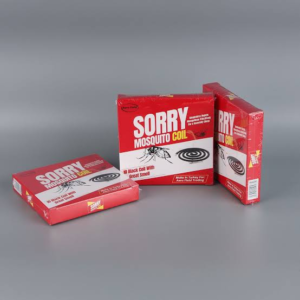
Mosquito repellents play an important role in reducing exposure to bites across homes, workplaces, schools, farms, travel locations, and outdoor environments. Products such as coils, sprays, creams, vaporizers, mats, patches, and insecticide-treated nets offer different forms of protection. Their relevance across Africa is closely connected to mosquito-borne disease risks, changing household preferences, urban growth, and expanding awareness of preventive healthcare.
A recent study by MarkNtel Advisors highlights that Africa’s mosquito repellent industry was valued at USD 1.12 billion in 2025. It is projected to grow from USD 1.17 billion in 2026 to USD 1.52 billion by 2032, registering a CAGR of 4.46% during 2026–2032. Demand is influenced by disease-prevention awareness, household accessibility, population growth, and the availability of products across multiple price categories.
Mosquito-Borne Diseases Sustain Preventive Demand
Mosquitoes can transmit malaria, dengue, yellow fever, chikungunya, and other diseases, making bite prevention an important public-health priority. The World Health Organization’s vector-borne disease guidance notes that such illnesses account for more than 17% of infectious diseases worldwide and cause over 700,000 deaths annually. This health burden reinforces the importance of practical preventive products that households can use regularly.
Repellents do not replace wider disease-control measures such as treatment access, environmental management, surveillance, and mosquito population control. However, they can provide an additional layer of personal or household protection when applied correctly. Their usefulness is particularly relevant during rainy periods, in locations with standing water, and in communities where mosquito exposure remains frequent.
Different Products Address Different Household Needs
Consumer preferences vary according to affordability, electricity access, convenience, duration of protection, household size, and local usage habits. Coils remain widely accessible because they are portable, comparatively inexpensive, and do not depend on electricity. Liquid vaporizers and mats are more suited to households with reliable power, while creams and sprays provide personal protection during travel, work, or outdoor activity.
The range of formats allows manufacturers to serve both urban and rural consumers. Families may combine indoor products with skin-applied repellents or treated nets depending on the setting. Product selection can also change according to age, sensitivity to smoke or fragrance, application frequency, and the length of protection required.
Effective Ingredients Influence Consumer Confidence
The effectiveness of a mosquito repellent depends substantially on its active ingredient, concentration, formulation, and correct application. The CDC’s mosquito-bite prevention guidance recommends registered repellents containing active ingredients such as DEET, picaridin, IR3535, or oil of lemon eucalyptus. Products should always be used according to their labels, particularly when applied to children or sensitive skin.
Growing consumer awareness is encouraging demand for products that provide reliable protection without excessive odour, skin discomfort, or complicated application. This is supporting development of lighter sprays, longer-lasting lotions, child-appropriate formulations, and plant-derived alternatives. However, natural positioning alone does not establish effectiveness, making proper testing and transparent ingredient information increasingly important.
Treated Nets Remain an Important Protection Method
Insecticide-treated nets provide a physical barrier while also reducing contact with mosquitoes during sleeping hours. They are particularly relevant in areas where malaria transmission remains persistent. The CDC identifies insecticide-treated nets as one of the most effective malaria-prevention methods, although affordability, access, regular use, and insecticide resistance continue to affect their impact.
Innovation is also changing net technologies. Newer products may combine more than one insecticide to address resistance among mosquito populations. Such developments demonstrate that mosquito protection requires continuing adaptation rather than dependence on a single product or active ingredient.
Urbanisation Changes Exposure and Distribution
Expanding cities can increase consumer access to pharmacies, supermarkets, convenience stores, and online retail channels. At the same time, dense housing, construction activity, inadequate drainage, and water storage can create conditions favourable to mosquito breeding in some locations.
Manufacturers and distributors must therefore provide products across diverse communities with different purchasing power and infrastructure conditions. Small package sizes can support affordability, while modern retail and e-commerce can improve access to sprays, vaporizers, and specialised personal-care formulations.
Awareness Will Shape Future Adoption
Public-health campaigns, product education, and clearer usage instructions can improve the responsible adoption of mosquito repellents. Consumers need information about suitable application, reapplication intervals, ventilation requirements, ingredient safety, and the limitations of individual products.
The growing importance of mosquito protection across Africa reflects the continuing need for accessible and dependable bite-prevention solutions. Future development will depend on effective ingredients, affordable formats, responsible product use, wider distribution, and integration with broader mosquito-control and public-health measures.