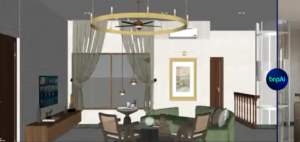
Interior design is no longer limited to hand-drawn sketches, mood boards, and traditional 3D software. Technology has changed the way designers, architects, builders, and homeowners plan and present interior spaces. One of the most useful developments in this field is Interior Rendering AI.
AI-powered rendering tools can turn ideas, sketches, floor plans, and design concepts into realistic interior visuals. These visuals help people understand how a room may look before construction or renovation begins. From living rooms and bedrooms to offices, hotels, restaurants, and retail spaces, AI rendering can make the design process faster and easier.
What Is Interior Rendering AI?
Interior Rendering AI is a technology that uses artificial intelligence to create realistic images of interior spaces. Instead of spending many hours creating every detail manually, users can provide a basic design, image, sketch, or written description and allow AI tools to generate a visual concept.
For example, a designer can provide a room layout and describe the desired style as modern, minimalist, luxury, Scandinavian, or traditional. The AI system can then create a visual representation based on these instructions.
These images can include furniture, lighting, wall finishes, flooring, colors, decorations, windows, doors, and other interior elements.
The goal is not only to create attractive pictures. AI rendering helps people communicate design ideas more clearly and make better decisions during the planning stage.
Why Interior Visualization Matters
Understanding an interior design from a simple floor plan can be difficult for many clients. A technical drawing may make perfect sense to an architect, but a homeowner or business owner may struggle to imagine the finished space.
A realistic rendering solves this problem.
With an AI-generated interior image, clients can see the possible arrangement of furniture, materials, colors, and lighting. This makes conversations between designers and clients easier.
For example, instead of explaining how a beige sofa will look with wooden flooring and warm lighting, a designer can show a visual concept. The client can then provide feedback before the actual work begins.
This can reduce confusion and help prevent costly design changes later.
Benefits of Interior Rendering AI
There are several reasons why AI rendering is becoming useful for modern design projects.
1. Faster Design Visualization
Traditional rendering can require significant time, especially when a project contains many rooms and detailed elements. AI tools can generate concepts much faster.
Designers can explore different ideas within a shorter period and present multiple options to clients.
2. Easy Design Experimentation
Interior design often involves experimentation. A client may want to compare different colors, furniture styles, flooring options, or lighting arrangements.
AI makes this process easier. Designers can create different versions of the same space and compare the results.
For example, one version may use a contemporary style while another uses a classic design. Seeing both options can help clients understand which direction suits their needs.
3. Better Client Communication
Communication is an important part of every design project. Misunderstandings can happen when clients and designers imagine the same idea differently.
Realistic visuals provide a common reference. Everyone involved can look at the same image and discuss specific elements.
This can make design meetings more productive and help clients communicate their preferences.
4. Supports Creative Ideas
AI does not have to replace creativity. Instead, it can support the creative process.
Designers can use AI to explore unusual layouts, material combinations, color schemes, and decorative concepts. These ideas can then be refined using professional design knowledge.
This creates more opportunities for experimentation without requiring every concept to be developed manually from the beginning.
5. Useful for Marketing
Realistic interior visuals can also help businesses market their projects.
Real estate developers, interior designers, architects, furniture companies, and construction businesses can use high-quality visuals in presentations, websites, social media, brochures, and promotional materials.
A strong interior image can help potential customers understand the style and possibilities of a project.
How Does AI Interior Rendering Work?
The process can vary depending on the software, but it is generally simple.
First, the user provides an input. This may be a sketch, floor plan, photograph, 3D model, or text description.
Next, the user provides instructions about the desired design. These instructions may include colors, furniture, materials, lighting, room style, and other requirements.
The AI analyzes the input and generates a visual concept.
The user can then review the result and make changes. Different prompts or settings can be used to explore alternative designs.
This process allows designers to move from a basic concept to a more detailed visual without starting everything from scratch.
Applications of Interior Rendering AI
Interior Rendering AI can be used for many types of spaces.
Residential Interiors
Homeowners can visualize bedrooms, kitchens, living rooms, bathrooms, dining areas, and home offices before renovation or construction.
It can help them explore different furniture arrangements, wall colors, flooring materials, and lighting concepts.
Commercial Offices
Businesses can visualize reception areas, meeting rooms, workstations, lounges, and executive offices. AI rendering can help create a professional and functional workplace concept.
Hotels
Hotel owners and designers can visualize guest rooms, lobbies, restaurants, lounges, and other hospitality spaces. Different design themes can be tested before final decisions are made.
Restaurants and Cafes
Restaurants depend heavily on atmosphere. Interior rendering can help owners explore seating layouts, lighting, furniture, wall finishes, and decorative themes.
Retail Stores
Retail businesses can use AI visualization to plan product displays, customer movement, counters, lighting, and overall store appearance.
Real Estate Projects
Developers can use interior visuals to show buyers what apartments, villas, or other properties could look like after completion.
Interior Rendering AI and Traditional Rendering
Traditional 3D rendering remains valuable for projects that require precise models and highly controlled visual output. Professional artists and designers can create detailed scenes with exact specifications.
AI rendering offers a different advantage: speed and flexibility.
Instead of treating AI and traditional rendering as competing technologies, many professionals can use them together. AI can help with early concepts and creative exploration, while detailed 3D modeling and rendering can be used when technical accuracy is required.
This combination can create an efficient workflow.
The Role of Bricks N Pixels
Companies working in architectural visualization are increasingly using advanced digital tools to improve their services. bricksnpixels focuses on modern visualization solutions that can help architects, designers, builders, and property professionals present their ideas more effectively.
Using AI-assisted approaches can make it easier to transform basic concepts into attractive visual presentations. Whether the project involves a residential home, commercial property, office, hotel, or retail space, strong visualization can make the design easier to understand.
For professionals, this can be especially useful when presenting concepts to clients who are not familiar with technical architectural drawings.
Tips for Creating Better AI Interior Renderings
The quality of an AI-generated image often depends on the quality of the instructions.
Here are some simple tips:
Be specific: Mention the room type, design style, materials, colors, furniture, and lighting you want.
Describe the atmosphere: Words such as warm, bright, calm, luxurious, natural, or contemporary can help communicate the desired mood.
Mention important materials: If you want marble flooring, wooden walls, glass partitions, or fabric furniture, include these details.
Use reference images when possible: A reference can help communicate the desired style more clearly.
Review multiple concepts: One image may not represent the final idea perfectly. Creating several variations can provide more choices.
Keep functionality in mind: A beautiful image should also represent a practical space. Furniture placement, movement, storage, and lighting should be considered.
Is AI Rendering Useful for Professional Designers?
Yes, when used correctly. AI can reduce the time required for early-stage visualization and provide additional creative possibilities.
However, professional design knowledge is still important. AI-generated images may sometimes produce incorrect dimensions, unrealistic furniture placement, unusual architectural details, or materials that do not work in the real world.
Designers should therefore review AI-generated concepts carefully before using them for technical or construction purposes.
AI works best as a visualization and ideation tool rather than a replacement for professional planning and expertise.
The Future of Interior Design Visualization
AI technology is continuing to develop, and its role in interior visualization is likely to expand. Future tools may provide better control over dimensions, materials, lighting, furniture placement, and design consistency.
Designers may also be able to move more easily between floor plans, 3D models, virtual environments, and realistic visualizations.
As these technologies improve, clients may expect faster and more interactive ways to understand design proposals.
The important point is that technology is making interior design communication easier. Instead of relying only on technical drawings or verbal descriptions, professionals can use realistic visual concepts to explain their ideas.
Conclusion
Interior Rendering AI is changing how interior spaces are imagined, presented, and discussed. It allows designers and clients to explore ideas quickly, compare different styles, communicate more clearly, and create attractive visual presentations.
From homes and offices to hotels, restaurants, and retail stores, AI-powered visualization can support many types of projects. When combined with professional design knowledge, it can become a valuable part of the modern design workflow.
With companies such as bricksnpixels embracing modern visualization approaches, architects, designers, developers, and property professionals have more opportunities to present their creative ideas in a clear and engaging way. As AI technology continues to improve, interior visualization is likely to become even more accessible, flexible, and powerful.