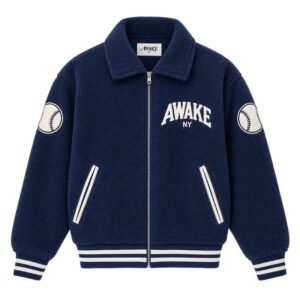
Awakeny represents a broader shift in the way modern streetwear is approached: clothing is no longer simply about following seasonal trends. For many people, getting dressed has become a way to communicate personality, lifestyle, creativity, and cultural interests. This is especially noticeable in the United States, where streetwear has developed from a niche fashion category into an everyday style language.
Modern streetwear combines relaxed silhouettes, functional fabrics, recognizable graphics, and versatile layers. A hoodie can work with denim one day and tailored trousers the next, while a jacket can completely change the character of an otherwise simple outfit. The goal is not necessarily to wear the most noticeable pieces. Instead, successful streetwear often comes down to balance.
Understanding that balance can make building outfits much easier. Whether someone is new to the style or already has a carefully developed wardrobe, paying attention to proportions, color, texture, and versatility can help create looks that feel personal rather than copied.
Why Streetwear Continues to Influence Everyday Fashion
Streetwear has changed significantly over the past several decades. What began as a collection of influences from skateboarding, hip-hop, sportswear, workwear, and youth culture gradually became part of mainstream fashion.
One reason for its lasting influence is adaptability. Streetwear can be casual without looking careless and expressive without requiring an elaborate outfit.
Several characteristics have helped define its modern form:
- Relaxed or oversized silhouettes
- Graphic and logo-focused designs
- Sneakers as important style elements
- Layering between different garments
- Practical outerwear
- Neutral colors mixed with occasional statement shades
- Influences from music, art, sports, and subcultures
The American market has also encouraged this flexibility. Different cities have developed distinct interpretations of street style, from the understated looks associated with minimalist wardrobes to more experimental combinations involving vintage clothing and contemporary designer pieces.
Building a Streetwear Wardrobe Around Versatility
A strong wardrobe does not need to contain dozens of statement garments. In fact, having versatile basics often makes creating outfits easier.
A useful starting point is to consider clothing in categories rather than individual trends.
Start With Reliable Tops
T-shirts, sweatshirts, and hoodies can form the foundation of a streetwear wardrobe. Neutral shades such as black, white, gray, navy, and cream are particularly easy to combine.
Once these basics are covered, graphic or distinctive pieces can be introduced without making the entire wardrobe difficult to coordinate.
Add Practical Layers
Outerwear provides another opportunity to create visual interest. A structured jacket can add definition to loose trousers, while a lightweight layer can make a simple T-shirt outfit more adaptable.
Instead of purchasing outerwear solely because it is currently popular, consider questions such as:
- Does it work with existing clothes?
- Can it be worn across multiple seasons?
- Is the fit comfortable?
- Does the design suit your everyday lifestyle?
These questions encourage more thoughtful purchasing decisions.
The Role of an Awakeny Hoodie in Casual Outfits
An Awakeny Hoodie can serve as more than a comfortable layer. Hoodies have become one of the most flexible pieces in contemporary casual fashion because they can occupy different roles depending on the rest of an outfit.
For a relaxed weekend look, pair a hoodie with straight-leg jeans and everyday sneakers. For a more fashion-conscious approach, try an oversized hoodie with wider trousers and streamlined footwear.
Proportion is particularly important.
If the hoodie has a loose silhouette, balancing it with either similarly relaxed trousers or a cleaner lower half can create intentional contrast. The key is to avoid having every item compete for attention.
Simple Hoodie Outfit Formula
A practical formula might look like this:
Hoodie + relaxed trousers + simple sneakers + lightweight outer layer
The formula is flexible enough to accommodate different colors and personal preferences while maintaining a cohesive appearance.
Hoodies also work well for transitional weather. Instead of treating them as winter-only clothing, they can be layered beneath jackets during colder months or worn independently during mild conditions.
Choosing an Awakeny Jacket for Layered Looks
Jackets have a particularly strong influence on an outfit because they often become the outermost and most visible layer.
An Awakeny Jacket can be styled around several different aesthetics depending on its cut, material, and color. A clean jacket can sharpen a casual outfit, while a more relaxed silhouette can reinforce a laid-back streetwear appearance.
When selecting a jacket, pay attention to:
- Shoulder width
- Sleeve length
- Overall body length
- Fabric weight
- Pocket placement
- Closure style
- Compatibility with existing layers
A jacket should also provide enough room for whatever you expect to wear underneath it. If a jacket is intended for layering over a hoodie, sizing and construction become particularly important.
Layering Without Looking Bulky
Good layering is about creating separation between garments rather than simply adding more clothing.
For example, a lightweight T-shirt under a hoodie and a moderately structured jacket can create three visible layers without excessive bulk.
Another approach is to combine different textures. Smooth cotton, heavier fleece, denim, nylon, or canvas can create visual depth even when the colors remain relatively simple.
Understanding Fit and Proportion in Streetwear
Fit is one of the most important aspects of modern streetwear. A garment can look completely different depending on its proportions.
Oversized clothing does not automatically create a better streetwear outfit. The shape needs to work with the rest of the look.
Consider these combinations:
- Oversized hoodie + straight-leg trousers
- Relaxed jacket + fitted base layer
- Boxy T-shirt + wider pants
- Cropped outerwear + higher-rise trousers
The objective is not to follow one universal rule. Instead, proportion should create a deliberate relationship between the upper and lower parts of an outfit.
Trying different silhouettes in front of a mirror can reveal combinations that may not be obvious when shopping online.
Color Coordination Without Overcomplicating Your Outfit
Color is another powerful styling tool, but a streetwear outfit does not need to contain numerous shades.
A simple three-color approach can be useful. Choose one dominant color, one supporting neutral, and one optional accent.
For example:
Black + cream + muted green
or
Navy + gray + white
This approach gives an outfit visual structure while leaving room for individual expression.
Neutral Colors as a Foundation
Neutral colors are particularly useful because they allow statement garments to stand out without making an outfit feel disconnected.
Black and gray provide a darker foundation, while cream and off-white can soften a look. Brown, olive, and navy can also function as versatile alternatives to standard monochrome palettes.
The best color combinations ultimately depend on personal preference, skin tone, existing wardrobe, and the environment in which the clothes will be worn.
Sneakers and Accessories: Completing the Look
Streetwear is often associated with sneakers, but footwear should complement the outfit rather than dictate it.
Classic low-top sneakers can create a clean appearance, while chunkier footwear can reinforce oversized proportions. Boots can introduce a workwear influence, and minimal sneakers can make layered outfits feel more refined.
Accessories should follow a similar principle.
Useful options include:
- Caps
- Beanies
- Crossbody bags
- Watches
- Simple chains
- Sunglasses
- Compact shoulder bags
The purpose of accessories is to add personality or functionality. Wearing several accessories simply because they are available can make an outfit feel visually crowded.
How to Make Streetwear More Personal
One of the biggest differences between wearing streetwear and developing a personal style is intentionality.
Rather than copying an entire outfit from social media, identify the element that attracted your attention.
Was it the silhouette?
The color combination?
The layering?
The footwear?
The balance between vintage and contemporary pieces?
Once you understand what you like, you can recreate the underlying idea using clothing already in your wardrobe.
Build Around Your Lifestyle
A person who walks frequently may prioritize comfortable footwear and lightweight layers. Someone working in a creative environment may have more freedom to experiment with oversized silhouettes or distinctive graphics.
Clothing should work with real life.
That means considering:
- Daily activities
- Local weather
- Workplace expectations
- Transportation
- Comfort preferences
- Maintenance requirements
A stylish wardrobe that is uncomfortable or impractical will rarely become a reliable everyday wardrobe.
Shopping More Thoughtfully for Streetwear
The growth of streetwear has created an enormous number of options. That can be useful, but it can also make shopping overwhelming.
Before purchasing something new, consider whether it fills a genuine gap in your wardrobe.
A simple checklist can help:
- Can I create at least three outfits with it?
- Does the fit suit my existing clothing?
- Is the material appropriate for how I will use it?
- Will I still want to wear it beyond one trend cycle?
- Does it offer something different from what I already own?
This approach encourages versatility rather than accumulation.
For shoppers exploring contemporary streetwear, Awakeny can be one reference point when researching pieces that fit into a modern casual wardrobe.
Caring for Streetwear and Extending Garment Life
Good styling starts with good garment care. Even well-designed clothing can lose its appearance if it is washed, dried, or stored incorrectly.
Always check the garment’s care label before washing. Different materials can require different temperatures, detergents, and drying methods.
For everyday streetwear:
- Wash garments according to their care instructions.
- Avoid unnecessarily frequent washing when airing is sufficient.
- Turn printed garments inside out when appropriate.
- Avoid excessive heat when drying.
- Store jackets on suitable hangers.
- Fold heavier knitwear instead of stretching it on hangers.
- Treat stains promptly.
Taking care of clothing can preserve fit, color, texture, and overall appearance for longer.
The Future of Everyday Streetwear
Streetwear continues to evolve because it draws inspiration from many areas of culture. Fashion, music, art, sports, technology, and online communities all contribute to changing aesthetics.
However, the most useful development may be the continued movement toward versatility.
People increasingly expect clothing to work across different settings. A hoodie may be worn for travel, casual meetings, weekends, or evenings out. A jacket may transition between seasons rather than being limited to a single occasion.
This does not mean trends will disappear. Instead, trends can become individual ingredients within a larger personal wardrobe.
The most enduring streetwear pieces are often those that offer enough flexibility to evolve with the person wearing them.
Conclusion
Modern streetwear is ultimately less about following a fixed formula and more about understanding how clothing works together. Fit, proportion, color, layering, comfort, and personal lifestyle all influence whether an outfit feels natural.
Pieces such as an Awakeny Hoodie or Awakeny Jacket can become useful parts of a wardrobe when they are selected with versatility in mind rather than simply purchased as trend-driven items. The same principle applies to sneakers, trousers, accessories, and everyday basics.
For anyone building a streetwear wardrobe, the process can be straightforward: begin with dependable essentials, experiment with proportions, introduce stronger pieces gradually, and pay attention to what genuinely feels comfortable and authentic.
Streetwear remains relevant because it allows those choices to remain personal. There is no single way to wear it. The strongest everyday wardrobes are often the ones that take inspiration from contemporary fashion while still reflecting the individual’s lifestyle, preferences, and sense of identity.
FAQs
1. What is modern streetwear?
Modern streetwear is a casual fashion style influenced by areas such as skateboarding, music, sportswear, workwear, and youth culture. It commonly combines relaxed silhouettes with practical and expressive pieces.
2. How should an oversized hoodie be styled?
An oversized hoodie can be paired with straight or relaxed trousers and simple sneakers. Keeping the rest of the outfit relatively clean can help maintain balanced proportions.
3. Is an Awakeny Hoodie suitable for layering?
A hoodie can work effectively as a mid-layer beneath a jacket, particularly during cooler weather. The jacket should have enough room to accommodate the hoodie comfortably.
4. What should I consider when buying a streetwear jacket?
Consider the fit, material, weight, sleeve length, overall proportions, and how easily the jacket works with clothing you already own.
5. Can streetwear be worn in a professional environment?
That depends on the workplace. In casual or creative environments, clean streetwear pieces can often be incorporated into professional-casual outfits while maintaining an appropriate appearance.