Energy storage has become an important part of modern power systems. From residential solar installations to backup power, recreational vehicles, marine equipment, and off-grid applications, batteries help store electricity for use when it is needed. As technology continues to improve, users have more options when selecting a suitable energy storage solution.
Among the available lithium-based technologies, one chemistry has become particularly relevant for applications that require long service life, stable operation, and dependable energy delivery. Understanding its characteristics can help homeowners, businesses, installers, and renewable energy users make more informed decisions when planning an energy storage system.
What Is This Battery Technology?
A lithium iron phosphate battery is a rechargeable energy storage device that uses lithium iron phosphate as the cathode material. It is commonly known as LiFePO4, which describes the chemical composition of the cathode.
The technology belongs to the lithium-ion battery family but differs from other lithium chemistries in several important ways. Its chemical structure provides good thermal and chemical stability, making it suitable for many stationary and mobile energy applications.
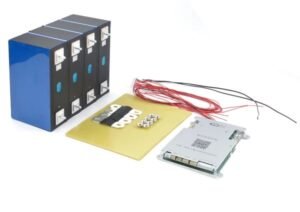
A typical battery pack includes multiple cells, electrical connections, protective components, and a battery management system. Together, these components control how electricity is stored and delivered while helping maintain appropriate operating conditions.
How Does It Work?
During charging, electrical energy causes lithium ions to move from one electrode to another through the electrolyte. When the battery supplies electricity, the ions move in the opposite direction while electrons travel through the external circuit to provide usable electrical power.
This electrochemical process can be repeated many times. The number of cycles a battery can complete depends on factors such as depth of discharge, temperature, charging conditions, discharge rate, cell quality, and system design.
A battery management system plays an important role by monitoring cell voltage, temperature, current, and other operating conditions. Depending on the design, it can provide protection against conditions such as overcharging, excessive discharge, and abnormal temperatures.
Long-Term Energy Storage
One of the main reasons this chemistry is used in energy storage is its potential for a long cycle life. Batteries are often subjected to repeated charging and discharging, particularly when they are connected to solar systems.
For example, a household may generate electricity from solar panels during daylight hours and store excess energy in a battery. The stored electricity can then be used during the evening or during periods when solar generation is lower.
Frequent cycling makes battery durability particularly important. A system designed with appropriate charging parameters, temperature management, and discharge limits can help maintain reliable performance over an extended period.
Stable Chemical Characteristics
Battery chemistry influences how a system responds to heat, charging, discharging, and environmental conditions. The iron phosphate composition provides strong structural stability compared with some alternative lithium-ion chemistries.
This characteristic is one reason the technology is widely considered for applications where predictable and dependable energy storage is important.
However, battery safety depends on the entire system rather than chemistry alone. Cell quality, manufacturing standards, electrical protection, BMS configuration, installation, charging equipment, and operating conditions all contribute to safe battery operation.
Use in Solar Energy Systems
Renewable energy systems often produce electricity at different times from when consumers need it. Solar panels, for example, generate the most electricity during daylight, while household energy demand can continue into the evening.
Energy storage can help bridge this timing difference. Electricity generated during the day can be stored and later used for household appliances, lighting, communication equipment, or other loads.
For residential and commercial solar systems, battery capacity should be selected according to energy consumption, solar production, backup requirements, inverter specifications, and expected future demand.
A properly designed system can help users make greater use of their renewable electricity while reducing dependence on grid power during certain periods.
Backup Power Applications
Power interruptions can affect homes, offices, communication equipment, security systems, and essential electrical devices. Battery storage can provide an alternative source of electricity when the primary supply becomes unavailable.
The required battery size depends on the equipment being powered and the length of time backup operation is needed. A small system may support lighting, routers, computers, or communication devices, while larger installations can support more demanding loads.
When designing backup power, users should calculate the total wattage of connected equipment and estimate how long the system needs to operate. Inverter efficiency and starting loads should also be considered.
Off-Grid Energy Storage
Remote locations may not have reliable access to conventional electricity infrastructure. In these situations, renewable generation combined with battery storage can provide an independent energy solution.
Solar panels can generate electricity during daylight hours, while stored energy can supply power when sunlight is unavailable. This arrangement can be useful for remote homes, cabins, agricultural facilities, telecommunications systems, and mobile work environments.
Off-grid systems require careful planning because available energy may vary according to weather and seasonal conditions. Battery capacity, solar generation, inverter sizing, and expected consumption should all be evaluated together.
Recreational and Mobile Uses
Energy storage is also important for recreational vehicles, boats, camping equipment, and mobile power systems. These applications often require a balance between available capacity, physical size, weight, charging capability, and durability.
Compared with conventional lead-acid systems, lithium-based batteries can provide useful advantages in weight and usable energy depending on the particular product and installation.
Mobile applications also require attention to vibration, temperature, physical mounting, charging equipment, and electrical connections. Choosing a battery based solely on capacity may not be sufficient for these environments.
Understanding Battery Capacity
Battery capacity is commonly expressed in ampere-hours or kilowatt-hours. The appropriate capacity depends on how much electricity an application consumes and how long the stored energy needs to last.
For example, a household using several electrical devices overnight may require more storage than a system designed only to power a few lights and communication devices.
Users should calculate their typical energy consumption before selecting a battery. Future electricity requirements should also be considered because adding additional storage later may require compatible equipment and appropriate system architecture.
Voltage and Compatibility
Battery voltage is another important consideration. Energy storage systems are available in different voltage configurations, and multiple batteries can sometimes be connected to achieve the required system voltage or capacity.
Compatibility between the battery, inverter, solar charge controller, monitoring equipment, and other components is essential. Charging parameters should match the battery manufacturer’s specifications.
Incorrect voltage selection or incompatible charging equipment can affect performance and may create safety concerns. Professional installation can be particularly valuable for larger residential, commercial, and off-grid systems.
The Role of a Battery Management System
A BMS helps monitor and manage individual cells within a battery pack. Since cells can behave differently during charging and discharging, monitoring helps maintain balanced operation.
Depending on the system, the BMS may monitor voltage, current, temperature, state of charge, and other parameters. It can also activate protective measures when operating conditions move outside specified limits.
When comparing energy storage products, users should therefore consider the BMS as part of the complete system rather than looking only at the battery’s stated capacity.
Maintenance and Operating Conditions
Although lithium-based systems generally require less routine maintenance than some traditional battery technologies, proper operation remains important.
Users should follow the manufacturer’s recommendations for charging, discharging, storage, temperature limits, installation, and inspection. Batteries should also be protected from unsuitable environmental conditions and installed according to applicable electrical requirements.
Temperature can influence battery performance and lifespan. Extremely hot or cold environments may require additional considerations, such as thermal management or appropriate installation locations.
Selecting an Energy Storage Solution
Choosing the right system involves more than comparing prices. Buyers should evaluate capacity, voltage, cycle life, physical dimensions, BMS features, warranty terms, installation requirements, and compatibility with existing equipment.
The intended application should guide the selection process. A residential solar installation may have different requirements from an RV, marine system, backup power setup, or completely off-grid property.
Users should also consider future energy consumption. Planning for potential expansion can make it easier to increase storage capacity as electricity requirements change.
Supporting Modern Renewable Energy
Battery storage can play an important role in making renewable energy more practical for everyday use. Solar generation combined with appropriate storage can help households and businesses manage electricity throughout the day.
Companies such as LiFePO4 OZ provide energy storage solutions for applications where reliable battery performance and efficient power management are important.
As renewable energy adoption continues to grow, efficient storage technologies will remain an important part of modern power infrastructure. Understanding battery chemistry, capacity, system compatibility, and operating requirements allows users to select solutions based on their actual energy needs.
Final Thoughts
Modern battery systems offer several options for storing electrical energy, but every application has different requirements. Factors such as capacity, voltage, expected cycling, temperature, installation environment, and connected equipment should be considered before making a selection.
The lithium iron phosphate chemistry has become an important option for solar storage, backup power, off-grid systems, mobile applications, and other energy projects because of its combination of stability and long-term cycling potential.
With correct sizing, compatible equipment, suitable installation, and proper operating practices, this technology can form a dependable part of a modern energy storage system and support the wider adoption of renewable electricity.