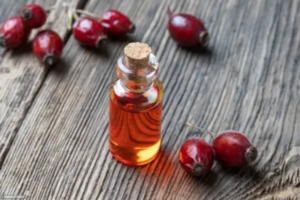
Batana oil (also called Ojon oil) is a specialty cosmetic oil from the nuts of the American oil palm (Elaeis oleifera) in Central America. Traditionally harvested by indigenous Honduran communities, it is extracted by sun-drying, roasting and pressing palm kernels. The result is a dark golden, nutrient-rich oil (high in oleic and linoleic fatty acids, vitamins E and A, and antioxidants) with a distinctive smoky aroma. Batana oil has become a high-value ingredient in hair and skin care products for its deep-conditioning and restorative properties. In response to rising global demand, many cosmetics companies and wholesalers now source batana oil in bulk. This guide reviews the oil’s origin and extraction, composition and uses, and the wholesale market context. It covers sourcing and quality checks, pricing factors, bulk packaging/logistics, and tips for choosing a reliable batana oil manufacturer or bulk supplier. A comparison table of leading suppliers and a FAQ section addresses ordering, MOQs, certifications shipping and related concerns.
Origin of Batana Oil
Batana oil is derived from Elaeis oleifera, the American oil palm native to Central and South America. This palm thrives in the rainforests of Honduras (especially the La Mosquitia region) and adjacent countries. Indigenous Miskito communities (sometimes called “Tawira” or “People of the Hair”) have harvested the palm’s fruit for generations to make the oil. As the palm fruits ripen, they turn reddish and hang in tight clusters on the tree. Each fruit contains a nut with an oily kernel. Modern suppliers trace their batana oil back to these wild-harvested palm nuts – ensuring authenticity by testing every lot against origin specifications.
Image: Clusters of Elaeis oleifera (American oil palm) fruits in a tropical forest. Batana oil is obtained from the kernel (nut) inside these fruits.
Extraction of Batana Oil
Traditional batana oil production is a hands-on process. First, ripe palm fruits are harvested and the nuts are separated and left to dry naturally in the sun. The dried nuts are then slowly roasted or gently cooked over a wood fire. This roasting is crucial: it deepens the oil’s color and gives batana its characteristic rich, smoky aroma. After roasting, the nuts are cracked open and the kernels are pressed or boiled to release the oil. In small-scale setups, women often hand-press the kernels to yield a thick, golden-brown paste or oil. The resulting oil is strained and collected; some modern suppliers also use cold-press methods for consistency and purity.
The process can be summarized as:
- Harvest and Dry: Nuts from the palm fruit are collected and air-dried.
- Roast/Cook: The dried nuts are heated over a fire, imparting a smoky fragrance.
- Crack and Press: Kernels are cracked, then pressed (or boiled) to extract the oil.
- Filter: The raw oil is clarified and bottled.
Image: Elaeis oleifera (American palm) trunk, the tree that yields batana fruit. Nuts from these palms are traditionally sun-dried, roasted, and pressed to make batana oil.
Properties of Batana Oil
Batana oil is notable for its rich, viscous texture and warm amber color. It may be semi-solid or “buttery” at room temperature, melting into a liquid with gentle heat. Chemically, it is rich in unsaturated fatty acids: studies of related Elaeis oleifera oil find ~55% oleic acid and ~16% linoleic acid. It also contains antioxidants (vitamin E, tocotrienols) and provitamin A (carotenoids). These nutrients make it a powerful emollient. Unlike refined oils, authentic batana is typically unrefined and has a strong nutty, roasted scent. Its natural odor and color can vary by batch, reflecting the traditional processing.
Cosmetically, batana oil is prized for its thick coating and moisture-retaining properties. It easily coats hair and skin, unlike lighter oils, and is absorbed slowly. This makes it excellent for deep conditioning and repair: it replenishes lipids and forms a protective layer. Suppliers note its “emollient and conditioning effects” on dry, damaged hair and skin. Unlike common palm oil, batana oil is positioned as a premium specialty oil with a “distinct combination of origin, composition and traditional use”. It is not palm kernel oil or refined red palm oil, but rather a niche oil from the American palm kernel.
Cosmetic and Therapeutic Uses
In beauty formulations, batana oil is mainly used in hair care and skin care products. For hair, it is marketed as a deep conditioner and restorative agent. It is said to nourish the scalp, strengthen strands and reduce breakage. Many users report that applying batana oil manufacturer or batana-rich products restores moisture to dry, chemically treated or curly hair, adding shine and manageability. It is often blended into shampoos, conditioners, hair masks or leave-in treatments.
For skin, batana oil’s high fatty acid content provides heavy hydration and may help with skin elasticity. It is used in lotions, body butters and facial oils to smooth and soften rough or dry skin. Some practitioners use it as a post-shower skin sealant. Anecdotally, the antioxidant vitamins (A and E) can help soothe skin and support barrier repair, though batana oil is not a medical treatment.
Popular formulations and uses include:
- Hair masks and oils: Apply pure or blended as hot-oil treatments for deep conditioning.
- Leave-in serums: Small % of batana oil to fight frizz and add shine.
- Shampoos/conditioners: As a key nourishing ingredient in natural hair care lines.
- Body/face moisturizers: In creams or as a standalone oil for mature or scarred skin.
- Beard care: Softens coarse facial hair and soothes dry skin under the beard.
It’s important to note that marketing claims like “miracle hair growth” are not clinically proven. Reliable sellers focus on its nourishing, anti-breakage and conditioning properties. (Claiming new hair growth or medical benefits can raise regulatory issues, so many suppliers highlight safe hair and skin benefits instead.)
Wholesale Market Overview
Batana oil has gained popularity as a niche ingredient in the global beauty market. With the rise of “clean” and natural cosmetics, demand for traditional plant oils has surged. Batana oil supplier, in particular, stands out for curly and textured hair care and premium skin products. As a result, many cosmetics brands, spas, and wellness retailers seek bulk supplies.
Industry insiders report that batana oil is now a “highly sought-after commodity” in cosmetics and hair care. Volume wholesalers and formulators buy it to formulate specialty hair serums, conditioners, masks, or to retail as raw oil. Buying in bulk (drums or large jugs) significantly cuts cost per liter and ensures consistent supply as brands scale up. Suppliers also note that ethical sourcing (fair trade with Miskito communities) has become a selling point.
In summary, the wholesale market is growing fast, driven by: cost efficiency of bulk buying, rising demand in personal care, and the need for authentic ingredients. Reliable bulk suppliers often have to ramp up capacity: for example, Forestal MT (a Honduran cooperative) now claims over 65 metric tons annual production ready for global shipment. (By contrast, batana oil remains a specialty niche oil compared to mass-market palm oil.) Overall, buyers should expect premium pricing compared to common oils, but benefit from strong selling points (heritage, efficacy) in end products.
Sourcing and Quality Checks
When sourcing batana oil bulk, product quality and traceability are critical. Look for suppliers who sell 100% pure Elaeis oleifera kernel oil with no additives. Good suppliers provide a Certificate of Analysis (COA) for each batch. Key quality checks include verifying the oil’s fatty acid profile (high oleic/linoleic content) and checking for contaminants or dilution. Ethical sourcing is also important: reputable suppliers partner with indigenous harvesters or cooperatives and adhere to fair-trade practices.
Concrete steps for quality assurance: ask the supplier to provide lab test results (COA, MSDS) and batch details. For example, one established exporter states that “every lot of batana oil is carefully documented – the origin, harvest date and processing are all noted, and a test certificate is issued with each shipment”. Check for any regulatory compliance (GMP, ISO 22716 for cosmetics) and confirm that the oil is free of synthetic additives. Many suppliers also offer (and encourage you to order) pre-shipment samples so you can verify scent, color and purity before buying in volume.
Supporting sustainable practices is another quality factor. A supplier who can trace the oil back to a known source (e.g. a Honduran cooperative) and show community benefits is preferable. Avoid suppliers who cannot disclose origin or use generic labels like “palm oil.” In short, demand transparency about harvesting and processing: Who collects the nuts? How are they stored and pressed? This traceability not only ensures authenticity but can be a marketing point (“direct from Honduran rainforest”) for your customers.
Pricing and Packaging Logistics
Batana oil is a premium oil, so pricing reflects its rarity and processing intensity. Factors influencing cost include extraction method (traditional roast-press vs. mechanical cold-press), batch size, and the supplier’s overhead. For example, oils from small artisan batches may command higher prices than mechanically extracted stock. Volume matters: suppliers generally offer lower per-unit prices for large orders. Expect to pay more than common carrier oils—prices around $15–$30 per liter are common (depending on quantity and quality). Buyers should get quotes from multiple suppliers and compare g/kg prices for like quality.
Bulk packaging and transport must ensure product integrity. Batana oil wholesale is sensitive to air, light and heat, so suppliers typically pack it in strong containers. Common bulk formats include food-grade stainless steel drums or heavy-duty HDPE jugs. For smaller bulk orders, dark glass or PET bottles (often 25–200 L) are used. The packaging should be sealed to prevent leaks. For example, one exporter notes that bottles and drums are “tightly capped and tested with leak-proof seals,” often with tamper-evident labels. Climate control is also considered: if the oil is warm during transit, it should not spill when it solidifies.
For international shipping, paperwork is key. Exporters provide a full set of documents with each shipment: commercial invoice, packing list, bill of lading, and importantly a Certificate, MSDS and COA. Batana oil usually ships as non-hazardous (it is vegetable oil), but large volumes may still have shipping restrictions or require hazardous classification if peroxides form. Choose logistics based on cost and urgency: sea freight is cheapest for large drums (though slower), while air freight can be used for urgent, smaller orders. Insurance is recommended due to value. Finally, during transit, the packaging should prevent moisture and shock: use bubble wrap or foam around containers, and include desiccant packs if necessary. Proper labeling (including batch ID and handling symbols) ensures smooth customs clearance and safe handling.
How to Choose a Batana Oil Manufacturer or Bulk Supplier
Selecting the right partner is crucial. Key criteria include:
-
Product Quality: Ensure they supply 100% pure, unrefined Elaeis oleifera kernel oil. Look for a natural amber color and nutty aroma (signs of true batana). Confirm they issue COAs and allow sampling.
-
Sustainable Sourcing: Prefer suppliers who work directly with the source region. Do they partner with indigenous harvesters? Do they follow fair-trade principles and sustainable harvesting? Ethical practices help preserve the resource and support local communities.
-
Transparent Supply Chain: A reputable supplier will share details about their processing methods and chain-of-custody. Ask about harvest methods (wild-collected vs. cultivated), and extraction (sun-roast vs. cold-press). Traceability builds trust with your customers.
-
Competitive Pricing: Compare quotes based on volume. Beware of prices that seem too low – authentic batana oil is labor-intensive. Good suppliers price by volume tiers, offering discounts on larger orders without cutting corners on quality.
-
MOQ Flexibility: Especially for new buyers or small brands, the supplier’s minimum order quantity (MOQ) matters. Some manufacturers accommodate low MOQ (e.g. 25–200 liters) while others start at hundreds of kilos. Pick a supplier whose MOQ fits your needs.
-
Customer Support: Reliable communication and good service are essential. A professional supplier should respond promptly, answer questions about product and shipping, and assist with documentation.
-
Certification and Standards: While “GMP” certification is not required here, check for other credentials. Do they follow ISO or GMP standards for cosmetic ingredients? Certifications like Fair-For-Life or social audits can indicate credibility.
By evaluating these factors – quality, ethics, transparency, price, logistics and service – you can build a solid partnership. Long-term relationships often yield better pricing and reliability as the supplier understands your business and product expectations.
FAQs
1. What bulk quantities and packaging are available for batana oil?
Wholesale batana oil is sold by liter/kg or by drum. Many suppliers can fill anything from a single 1-liter bottle (for sampling) up to hundreds of kilograms or more. For example, Honduras-based Forestal MT ships “from 1 unit to 65,000+ kilograms”. Common packaging: food-grade drums (30–250 L), intermediate bulk containers (IBC), or jerrycans for large orders. For smaller bulks, glass or PET jugs (1–20 L) are used. Always ensure the supplier confirms container type and sealing.
2. What minimum order quantities (MOQs) can I expect?
MOQs vary. Some manufacturers are set up for large OEM runs and may require hundreds of kilos per order. However, many bulk distributors (e.g. carrier oil wholesalers) cater to smaller buyers. For instance, Aromantic (UK) lists a 25 kg MOQ. Other suppliers may allow as little as 5–10 L for first orders, with lower per-unit prices kicking in at higher volumes. Clarify MOQ upfront to match your needs and budget.
3. What certifications or quality assurances do suppliers provide?
Legitimate batana oil suppliers will provide analytical Certificates of Analysis (COA) and safety data sheets (MSDS) for each batch. They may hold general cosmetic manufacturing certifications (e.g. ISO 22716 for GMP). Ethical sourcing labels (Fair-Trade, etc.) may be offered but not all. Crucially, do not assume “organic” status; unless the supplier has organic certification (rare for wild-harvested oils), the product should be sold simply as pure batana oil. Always ask for documentation of origin and testing rather than relying on the organic claim.
4. What are typical lead times for bulk orders?
Lead times depend on supplier and order size. If the oil is in stock, small orders can ship in days. Large orders often require production lead time. For example, Forestal MT advertises same-day processing for orders (“≤48h from order to dispatch”). Many Asian or European OEMs have 1–3 week turnaround (plus transit). When placing an order, confirm production time plus shipping (e.g. 2–6 weeks total). For first-time buyers, account for extra time to arrange samples and paperwork.
5. How is pricing determined and what affects cost?
Pricing is based on quality and volume. Cold-pressed, small-batch oil costs more than large-scale processed oil. Higher prices reflect labor-intensive traditional methods. Location also matters: Honduran-sourced batana may be pricier due to limited supply and fair trade. In general, expect bulk prices in the tens of dollars per liter. Volume discounts are common: e.g. 10 kg lot vs. 200 kg drum pricing. Ask suppliers for tiered pricing per kg or L at different quantities. Also consider currency, shipping, and any import duties in your market when budgeting.
6. Can I request samples before placing a bulk order?
Yes. Reputable suppliers will send small samples (often 1–5 L bottles) for evaluation. The sample helps you verify aroma, color and compatibility. Be aware that even samples may be sold at a smaller price per liter than bulk, but usually at a premium over the bulk rate. Discuss sample policy up front – many suppliers allow a sample “break size” with credit off your first bulk order. Always test a sample in your application before committing to a large purchase.
7. Do suppliers offer private labeling or co-packing services?
Many batana oil manufacturers and distributors provide private-label options, especially for larger orders. For example, Chinese OEMs like Sevich offer custom packaging and labeling for bulk brands. In Europe or the US, some specialty oil suppliers will stick your logo on bottles or drums if you order wholesale. This usually requires a minimum quantity and sometimes a design fee. If you want private labeling, ask the supplier about customization services, artwork requirements, and extra costs.
8. How is batana oil shipped internationally?
Batana oil is shipped by air or sea in properly sealed containers. Sea freight is most cost-effective for large volumes (20–40 ft containers of drums), while air freight suits small urgent shipments. The supplier should consolidate and palletize shipments safely. Ensure the oil is packed to avoid movement and leaks (often with bubble wrap or liners) and labeled as plant oil (HS code: 1515 or 1520 depending on kernel vs. pulp oil). For international shipping, customs papers must include COA and Certificate of Origin. Choose a supplier experienced in exports – they should handle export customs documentation and help avoid delays.
9. How should I store batana oil after delivery?
Store batana oil in a cool, dark place (ideally 10–20 °C) to maximize shelf life. Keep containers tightly closed to prevent oxidation. Unlike highly unsaturated oils, batana is relatively stable, but still avoid high heat or sunlight. In tropical climates, sealed drums are often fine at room temperature; in temperate climates, the oil may solidify at <35 °C and simply melt upon warming. Humidity is not a major issue, but keep the product dry. Under proper storage, unrefined batana oil can last 1–2 years (check supplier recommendation).
10. What if I need to return or replace a shipment?
Return policies vary by supplier. Generally, solid returns are rare for oils, so ensure all specs are confirmed pre-shipment. Reputable suppliers will stand behind quality: if a batch fails analysis (e.g. adulteration or contamination), they should replace it. Always inspect goods on arrival for damage or discrepancies and report issues quickly. Some may offer credit on the next order instead of direct refunds. Clarify return terms, including any restocking fees, before buying. It’s also wise to have a contingency plan or secondary supplier if large batch issues occur, since waiting for a replacement shipment can impact production.