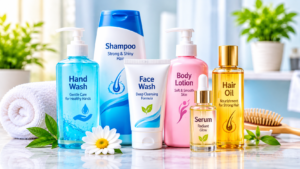
The personal care industry continues to evolve as consumers become more aware of hygiene, grooming, skincare, and everyday wellness. From shampoos and face washes to body lotions and hair oils, personal care products have become essential items in modern lifestyles. For businesses entering this growing market, selecting the right manufacturing partner is an important step toward building a successful product range.
A reliable manufacturer can help businesses maintain product consistency, manage supply requirements, and develop products that meet their customers’ expectations. Whether you are a distributor, wholesaler, retailer, or private-label brand, understanding what to look for in a manufacturing partner can support better business decisions.
Understanding the Personal Care Products Market
Personal care products include a wide range of items designed for cleansing, grooming, moisturizing, and maintaining everyday hygiene. Common categories include skincare, haircare, bath and body care, and other grooming essentials.
Products such as shampoo, hair oil, face wash, cream, body wash, lotion, and serum serve different consumer needs. Businesses should understand their target audience before selecting products for distribution or developing a new brand.
For example, a retailer may focus on everyday skincare and haircare essentials, while a private-label business may look for a broader product portfolio that supports different consumer preferences.
Why Choosing the Right Manufacturer Matters
A dependable manufacturing partner plays an important role in product quality, supply planning, and long-term business development. Buyers should evaluate more than just the product price when comparing manufacturers.
Product consistency is especially important for businesses that sell personal care products under their own brand names. Differences in texture, fragrance, packaging, or product performance can affect customer satisfaction and repeat purchases.
A reliable manufacturer should have organized production processes, suitable quality checks, and clear communication practices. These factors help businesses manage their product requirements and maintain a consistent customer experience.
Important Factors to Consider When Selecting a Manufacturer
1. Evaluate Product Quality and Safety
Product quality should be one of the first considerations when choosing a manufacturing partner. Buyers should understand how products are developed, tested, stored, and handled during production.
Ask the manufacturer about its quality management procedures, ingredient documentation, product specifications, and applicable regulatory requirements.
Businesses should also review product labels and safety information before introducing products to their markets. The suitability of a formulation depends on its intended use, ingredients, and target consumers.
2. Check the Product Range
A manufacturer with a suitable product portfolio can help businesses manage multiple product categories through one sourcing relationship.
Depending on market requirements, buyers may consider shampoo, hair oil, face wash, cream, body wash, lotion, and serum.
A diverse product range can support retailers and distributors looking to expand their personal care offerings. However, product selection should be based on customer demand, market positioning, and business objectives rather than simply choosing the largest available catalogue.
3. Understand Manufacturing and Supply Capabilities
Businesses should evaluate whether a manufacturer can support their expected order volumes and future growth.
Important questions include:
-
What production capabilities are available?
-
Can the manufacturer support regular bulk orders?
-
What packaging options are offered?
-
How are production schedules and delivery timelines managed?
-
Is product availability maintained consistently?
Clear communication about order requirements and production planning can help businesses avoid unnecessary supply disruptions.
4. Consider OEM and Private Label Opportunities
OEM and private-label manufacturing can be useful for businesses that want to introduce products under their own brand identity.
Before selecting a partner, buyers should discuss available customization options, packaging requirements, product specifications, minimum order quantities, and documentation.
A professional manufacturing partner should clearly explain the process and help businesses understand which options are available for their intended product range.
Working with a Personal Care Products Manufacturer in India
India has an established personal care and hygiene industry that serves domestic and international markets. Businesses searching for a Personal Care Products Manufacturer in India should evaluate the manufacturer’s product capabilities, quality procedures, communication, and ability to support their commercial requirements.
The right partner should understand the needs of distributors, wholesalers, retail businesses, and private-label companies.
NEL Lifecare Products India Pvt. Ltd. offers a range of personal care products, including shampoo, hair oil, face wash, cream, body wash, lotion, and serum. Businesses can explore its personal care product range to understand the available categories and product offerings.
When evaluating a potential supplier, buyers should request relevant product information and discuss their specific business requirements before making purchasing decisions.
How Businesses Can Build a Strong Product Portfolio
A successful personal care portfolio should reflect the needs of its target customers. Businesses can begin by identifying popular product categories, evaluating customer preferences, and reviewing competing products in their market.
It is also useful to consider packaging convenience, product positioning, price expectations, and distribution channels.
Retailers may prioritize everyday-use products, while distributors could focus on products with consistent demand across multiple customer segments. Private-label businesses may also consider how product presentation and brand positioning influence purchasing decisions.
Regularly reviewing customer feedback and sales performance can help businesses make informed decisions about expanding or adjusting their product range.
Conclusion
Choosing a reliable personal care products manufacturer requires careful evaluation of product quality, manufacturing capabilities, supply consistency, and business support. A suitable partner can help businesses maintain product standards, develop a relevant portfolio, and respond to changing market needs.
For wholesalers, distributors, retailers, and private-label businesses, working with an experienced Personal Care Products Manufacturer can support long-term planning and product availability.
NEL Lifecare Products India Pvt. Ltd. provides a range of personal care solutions for business buyers. Exploring its personal care products can help interested businesses learn more about the available product categories and identify options that align with their market requirements.