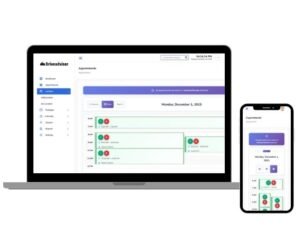
The driving education industry is experiencing a significant digital transformation as driving schools move away from traditional administrative processes and adopt technology-driven solutions. Changing student expectations, increasing competition, and the need for efficient business operations are encouraging driving school owners to embrace digital learning and management systems. An Online driving school platform helps modern driving schools organize essential activities, including student management, lesson scheduling, instructor coordination, booking administration, and business operations. By bringing these activities into a centralized digital environment, driving schools can improve operational efficiency, simplify communication, and deliver a more convenient experience for students and instructors.
1. Changing Student Expectations Are Driving Digital Adoption
Today’s students are accustomed to accessing services through digital platforms. From online education and banking to appointment scheduling and communication, technology has become an important part of everyday life.
Driving school students increasingly expect similar convenience when registering for driving lessons, checking appointment availability, accessing learning information, and communicating with instructors.
Traditional processes often require students to contact administrative staff during business hours, wait for appointment confirmations, or visit driving school offices to complete registrations.
Digital platforms help eliminate many of these limitations by offering:
- Convenient online student registration.
- Digital access to booking and scheduling services.
- Centralized student information.
- Faster communication between students and driving schools.
- Easier management of upcoming driving lessons.
Meeting these expectations helps driving schools create a more accessible and organized student experience.
2. Simplifying Driving School Administration
Administrative efficiency is one of the primary reasons driving schools are adopting digital management platforms.
Managing student registrations, instructor schedules, lesson bookings, payments, attendance, and records manually can become increasingly complicated as enrolments grow.
Spreadsheets, paper-based records, and disconnected applications can also create duplicate information, communication gaps, and unnecessary administrative work.
A centralized digital platform helps driving schools organize these activities in one management environment.
Key administrative advantages include:
- Centralized student and instructor records.
- Simplified appointment management.
- Organized lesson scheduling.
- Easier access to operational information.
- Reduced repetitive administrative tasks.
- Improved coordination between office staff and instructors.
By digitizing everyday workflows, driving school administrators can spend less time managing paperwork and more time focusing on student support and business development.
3. Improving Online Driving Lesson Scheduling
Scheduling is one of the most important operational activities in a driving school. Schools must coordinate instructor availability, student preferences, lesson durations, and vehicle availability.
Managing these requirements manually can lead to overlapping appointments, inefficient timetables, and delays in confirming bookings.
Digital learning and management platforms provide centralized scheduling capabilities that help administrators organize lesson appointments more effectively.
Depending on the software’s functionality, scheduling features may include:
- Online lesson booking.
- Instructor availability management.
- Appointment confirmations.
- Lesson rescheduling and cancellation management.
- Automated booking notifications.
- Centralized calendar management.
Students benefit from greater booking convenience, while administrators gain better visibility into daily scheduling activities.
This approach becomes particularly valuable for driving schools managing multiple instructors, vehicles, and training locations.
4. Enhancing Communication Between Students and Instructors
Clear communication is essential throughout the driving education process. Students need information about lesson schedules, instructor assignments, upcoming appointments, and training progress.
Traditional communication methods, such as repeated phone calls and manual messages, can create unnecessary administrative workloads.
Digital platforms help establish more structured communication processes by centralizing important student and lesson information.
Useful communication capabilities can include:
- Automated appointment reminders.
- Booking confirmations and updates.
- Notifications about schedule changes.
- Centralized student information.
- Digital communication records.
Improved communication reduces confusion and helps students and instructors stay informed about their training schedules.
It also allows administrative teams to manage student enquiries more systematically.
5. Supporting Flexible Digital Learning Experiences
Digital transformation in driving education is not limited to appointment scheduling and administration. It also creates opportunities to improve how students access theoretical learning resources.
Driving education generally involves both theoretical knowledge and practical driving experience. Students need to understand traffic signs, road safety regulations, defensive driving techniques, and responsible driving practices before applying this knowledge on the road.
Digital learning environments can complement instructor-led practical lessons through resources such as:
- Online theory learning materials.
- Digital study resources.
- Practice quizzes and assessments.
- Educational videos.
- Learning progress information.
- Online access to training information.
These resources can help students review important concepts outside scheduled classroom or practical training sessions.
However, digital learning should complement rather than replace supervised practical driving instruction and any mandatory in-person training or assessment requirements.
6. Improving Student Management and Training Visibility
As driving schools grow, maintaining accurate student records becomes increasingly important.
Administrators need to track registrations, contact information, lesson appointments, payment records, and training-related information.
When these details are maintained across different systems, accessing accurate information can become difficult.
A digital student management system provides a more organized way to maintain student information and coordinate administrative activities.
|
Student Management Activity |
Digital Platform Advantage |
|
Student registration |
Organized digital records |
|
Lesson history |
Easier appointment tracking |
|
Instructor allocation |
Improved coordination |
|
Attendance management |
Centralized attendance information |
|
Payment records |
Organized billing information |
|
Training progress |
Better visibility into student activities |
Centralized records help driving schools maintain more consistent administrative processes and support better decision-making.
7. Helping Driving Schools Manage Growth and Competition
The driving school industry is becoming increasingly competitive. Businesses need to differentiate themselves through service quality, operational efficiency, student convenience, and professional management.
Traditional administrative methods may work for small operations, but they can become difficult to maintain as student enrolments and instructor numbers increase.
Digital platforms help driving schools establish repeatable workflows that support business expansion.
Some important growth opportunities include:
Improved operational capacity: Centralized scheduling and administration make it easier to coordinate larger numbers of students and instructors.
Reduced administrative pressure: Automating repetitive processes allows staff to focus on higher-value activities.
Better business visibility: Digital records and reporting can help owners understand bookings, student activity, and operational performance.
Consistent service delivery: Standardized workflows help maintain organized processes as the business expands.
Improved student convenience: Online services make it easier for students to interact with the driving school.
Technology does not guarantee business growth, but it provides the operational foundation needed to manage increasing demand more effectively.
8. Why Canadian Driving Schools Need Digital Management Solutions
Driving schools across Canada serve students with different schedules, learning requirements, and location preferences. Managing these activities requires efficient coordination between students, instructors, administrators, and training resources.
Digital management platforms can help Canadian driving schools organize their operations while offering students more convenient ways to access services.
When evaluating an online driving school platform, Canadian businesses should consider several important capabilities:
- Online student registration and management.
- Driving lesson booking and scheduling.
- Instructor and availability management.
- Appointment notifications and reminders.
- Billing and payment administration.
- Centralized business records.
- Reporting and operational insights.
- Scalability for growing driving school businesses.
Selecting a platform that supports multiple operational requirements can reduce dependence on disconnected tools and simplify daily management.
Driving schools should also ensure that their digital processes align with applicable provincial and territorial driver education requirements.
9. How Drive Advisor Supports the Digital Transformation of Driving Schools
Drive Advisor provides a technology-driven platform designed to help driving schools modernize their business management processes.
Its approach focuses on the operational requirements of driving education businesses, helping owners and administrators move toward more organized digital workflows.
Rather than depending entirely on spreadsheets, paper records, and disconnected administrative tools, driving schools can adopt a centralized management approach.
Drive Advisor addresses important areas of driving school operations, including:
- Student management and administrative organization.
- Driving lesson scheduling and booking workflows.
- Instructor coordination.
- Business management activities.
- Digital organization of operational information.
By bringing essential management activities into a more structured digital environment, Drive Advisor helps driving schools reduce administrative complexity and improve operational visibility.
For driving school owners looking to modernize their business processes, a dedicated platform offers an opportunity to manage daily activities more systematically while focusing on student experience and business development.
10. The Future of Digital Driving School Platforms
The future of driving education will increasingly involve connected digital systems, automation, and data-driven business management.
Emerging technologies such as artificial intelligence, automated scheduling, cloud-based management, and digital learning resources are creating opportunities to improve how driving schools operate.
Future digital platforms may increasingly support:
- Intelligent instructor and lesson allocation.
- Automated student communication.
- Personalized learning recommendations.
- Advanced business reporting.
- Integrated booking and billing workflows.
- More accessible digital learning resources.
Driving schools that adopt flexible digital infrastructure will be better positioned to respond to changing student expectations and evolving industry requirements.
Conclusion
Driving schools are moving toward digital learning and management platforms because traditional administrative processes are becoming increasingly difficult to manage in a technology-driven environment.
From simplifying student registration and lesson scheduling to improving instructor coordination, communication, and operational visibility, digital platforms offer practical advantages for modern driving education businesses.
Drive Advisor supports this transformation by providing a centralized technology-driven approach to driving school management. By adopting digital solutions, driving schools can reduce administrative complexity, improve service convenience, and establish scalable operational processes.
The transition to digital platforms is no longer simply about adopting new technology. It is about building a more efficient, accessible, and organized driving school business that is prepared for the future of driver education.