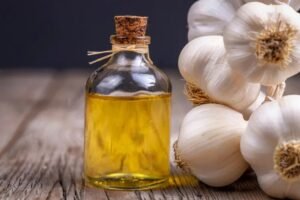
Garlic oil is one of the most sought-after essential oils in the global market today. Extracted from one of the world’s oldest and most trusted natural ingredients, garlic oil has moved far beyond the kitchen and into pharmaceuticals, cosmetics, agriculture, and wellness industries. As demand grows, garlic oil manufacturers play a critical role in ensuring that this powerful oil is produced with consistency, purity, and quality that end industries can rely on.
In this blog, we’ll explore how garlic oil is manufactured, why it’s valued across so many sectors, and what industries are driving its growing demand.
What Is Garlic Oil?
Garlic oil is a concentrated liquid extracted from garlic cloves (Allium sativum). It carries the pungent aroma and active compounds naturally found in garlic, primarily sulfur-containing compounds like allicin, diallyl disulfide, and diallyl trisulfide. These compounds are responsible for garlic’s characteristic smell as well as its well-documented health-supportive properties.
Because raw garlic loses potency quickly and is difficult to standardize, oil extraction allows manufacturers to capture and preserve these active compounds in a stable, concentrated, and easy-to-use form.
How Garlic Oil Is Manufactured
Reputable garlic oil suppliers rely on scientifically controlled extraction methods to ensure a high-quality, consistent final product. The most common production methods include:
1. Steam Distillation
This is the traditional and most widely used method. Crushed garlic cloves are placed in a distillation unit, where steam passes through the material. The heat releases volatile sulfur compounds, which evaporate along with the steam. This vapor is then condensed and separated to yield pure garlic oil bulk suppliers. Steam distillation is prized for producing oil with a strong, authentic aroma and high concentration of active compounds.
2. Cold Pressing / Mechanical Extraction
In this method, garlic cloves are mechanically pressed to release their natural oils without the use of heat. This process helps retain more of the oil’s natural nutrients and is often used when a milder, less processed extract is desired.
3. Solvent Extraction
A food-grade solvent is used to draw out the oil from garlic material, after which the solvent is removed through evaporation. This method is efficient for large-scale production but requires strict quality control to ensure no solvent residue remains in the final product.
4. Quality Testing and Standardization
After extraction, the oil undergoes rigorous testing for purity, allicin content, aroma profile, and absence of contaminants. Manufacturers use gas chromatography and other lab techniques to verify that each batch meets the required specifications before packaging and dispatch.
Companies such as Hetaksh Essential Oils follow these structured extraction and quality-check protocols to ensure that every batch of garlic oil delivered to clients meets consistent purity and potency standards.
Key Benefits of Garlic Oil
Garlic oil’s popularity stems from its wide-ranging benefits, which make it valuable across multiple applications:
- Antimicrobial and Antibacterial Properties: The sulfur compounds in garlic oil are known to inhibit the growth of certain bacteria and microbes, making it useful in health and hygiene products.
- Antioxidant Support: Garlic oil contains compounds that help combat oxidative stress, contributing to its use in wellness and nutraceutical formulations.
- Cardiovascular Support: Garlic has long been studied for its potential role in supporting healthy circulation and cholesterol balance, making garlic oil a common ingredient in heart-health supplements.
- Skin and Hair Care Benefits: Diluted garlic oil is used in cosmetic formulations for scalp and skin treatments, valued for its purifying properties.
- Natural Pest Deterrent: In agriculture, garlic oil’s strong sulfur compounds act as a natural repellent against certain pests, making it a preferred ingredient in organic pest-control formulations.
- Flavor and Aroma Enhancement: In food processing, garlic oil provides a concentrated, consistent flavor profile that’s easier to dose and store than fresh garlic.
Industries That Use Garlic Oil
The versatility of garlic oil has led to its adoption across a diverse set of industries:
Pharmaceutical and Nutraceutical Industry
Garlic oil is a key ingredient in capsules, softgels, and syrups aimed at supporting cardiovascular health, immunity, and general wellness. Its standardized allicin content makes it suitable for dosage-controlled formulations.
Food and Flavor Industry
Food manufacturers use garlic oil bulk manufacturers as a flavoring agent in sauces, snacks, seasoning blends, and instant food products, where it offers a stronger and more stable flavor compared to raw garlic or garlic powder.
Cosmetics and Personal Care
Garlic oil is incorporated into hair oils, anti-dandruff formulations, and topical skincare products, capitalizing on its natural purifying reputation.
Agriculture and Agrochemicals
Organic farming and pest-control companies use garlic oil as a base ingredient for eco-friendly pesticide and repellent formulations, offering an alternative to synthetic chemicals.
Aromatherapy and Wellness
Though less common than lavender or eucalyptus, garlic oil wholesale is used in select wellness blends valued for its traditional therapeutic associations.
Animal Feed and Veterinary Products
Garlic oil is added to poultry and livestock feed formulations as a natural additive believed to support animal gut health and immunity.
Why Industries Choose Established Garlic Oil Manufacturers
Bulk buyers across these industries look for manufacturers who can provide:
- Consistent batch-to-batch quality and potency
- Proper documentation, including Certificates of Analysis (CoA), MSDS, and compliance certifications
- Scalable production capacity to meet large or recurring orders
- Transparent sourcing and traceability of raw garlic
- Competitive pricing for bulk and industrial-scale procurement
Working with an experienced manufacturer reduces the risk of inconsistent quality, which can be critical for industries like pharmaceuticals and food processing where compliance and safety standards are strict.
Frequently Asked Questions (FAQ)
Q1: What is garlic oil primarily made of?
Garlic oil is primarily composed of sulfur compounds extracted from garlic cloves, including allicin and its derivatives, which give the oil its characteristic aroma and functional properties.
Q2: What extraction method produces the highest quality garlic oil?
Steam distillation is generally considered the most effective method for producing garlic oil with a strong aroma and high concentration of active sulfur compounds, though cold pressing and solvent extraction are also used depending on the intended application.
Q3: Is garlic oil safe for direct application on skin?
Garlic oil is highly concentrated and should typically be diluted with a carrier oil before topical use, as undiluted application may cause skin irritation.
Q4: Which industries buy garlic oil in bulk?
Pharmaceutical, nutraceutical, food and flavor, cosmetics, agriculture, and animal feed industries are among the largest buyers of bulk garlic oil.
Q5: How is the quality of garlic oil tested?
Manufacturers test garlic oil using methods like gas chromatography to verify allicin content, aroma profile, purity, and to confirm the absence of contaminants or residual solvents.
Q6: Can garlic oil be customized for specific industrial requirements?
Yes, many manufacturers offer variations in concentration, packaging, and specification sheets tailored to the needs of pharmaceutical, food-grade, or cosmetic-grade applications.
Q7: What should buyers look for when selecting a garlic oil manufacturer?
Buyers should evaluate a manufacturer’s quality certifications, testing protocols, production capacity, consistency across batches, and ability to provide proper documentation such as CoA and MSDS.
Q8: Does garlic oil have a long shelf life?
When stored properly in a cool, dark place away from direct sunlight and air exposure, garlic oil can maintain its potency and quality for an extended period, though shelf life varies based on extraction method and storage conditions.