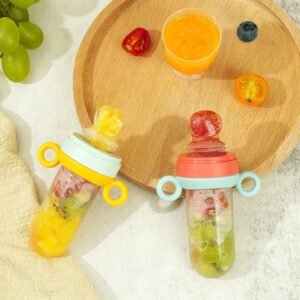
Choosing the right bottle for breastfeeding baby can make expressing and feeding breast milk easier for parents while helping babies transition between breast and bottle. Whether you are returning to work, sharing feeding responsibilities, or simply want an occasional alternative to nursing, the right bottle and feeding technique can make the experience more comfortable.
A breastfed baby may need some time to learn bottle feeding because sucking from a bottle feels different from breastfeeding. There is no single bottle that works best for every baby, so parents may need to consider nipple flow, bottle shape, feeding position, and the baby’s individual preferences.
What Is the Best Bottle for a Breastfeeding Baby?
The best bottle for a breastfeeding baby is one that allows comfortable, controlled milk flow and supports responsive feeding. Parents often look for a bottle with a slow-flow nipple, a soft nipple, and a shape that their baby can comfortably latch onto.
However, bottle design alone does not guarantee successful breastfeeding compatibility. The American Academy of Pediatrics notes that there is not strong scientific evidence proving that one particular bottle brand or nipple design is universally better than another.
When choosing a bottle for expressed breast milk, consider:
- Slow or newborn-flow nipple options
- A comfortable nipple shape
- Easy-to-clean components
- A secure cap and seal
- A size appropriate for your baby’s feeding needs
- Materials suitable for regular infant feeding
- A design that is easy for caregivers to use
If your baby rejects one bottle, another nipple or feeding method may work better. Some babies simply have individual preferences.
Why Would a Breastfed Baby Need a Bottle?
Breastfeeding and bottle feeding do not necessarily have to be competing feeding methods. A baby can receive expressed breast milk from a bottle when direct breastfeeding is temporarily unavailable.
Common reasons parents introduce a bottle include:
- Returning to work or school
- Sharing feeding with a partner or caregiver
- Having someone else feed the baby occasionally
- Building flexibility into the feeding routine
- Feeding expressed breast milk when the parent is away
- Providing breast milk when direct nursing is difficult
For some families, introducing a bottle can make separation from the baby easier while allowing the baby to continue receiving expressed breast milk.
When Should You Introduce a Bottle to a Breastfed Baby?
There is no universal age that works for every baby. If breastfeeding is going well, some parents introduce a bottle after breastfeeding has become established.
The American Academy of Pediatrics suggests that parents can begin introducing a bottle with a small amount of expressed breast milk and gradually build familiarity. It also recommends avoiding pressure if the baby becomes frustrated.
A practical approach is to offer a small amount when the baby is calm and alert rather than extremely hungry. Another caregiver may have better success giving the first few bottles because the baby may associate the breastfeeding parent with nursing.
If your baby refuses the bottle, don’t assume that the bottle itself is the problem. You can experiment with a different nipple, flow rate, feeding position, or even another feeding method.
How to Bottle Feed a Breastfed Baby
Technique can be just as important as the bottle you choose. Paced bottle feeding is commonly used to make bottle feeding more responsive and allow babies greater control over the feeding.
Try these steps:
- Hold your baby in a semi-upright position.
- Keep your baby’s head and neck comfortably supported.
- Hold the bottle relatively horizontally rather than allowing milk to flow rapidly.
- Let the baby draw the nipple into the mouth rather than pushing it in.
- Pause periodically and watch your baby’s cues.
- Stop when the baby shows signs of being full.
The AAP recommends responsive feeding—paying attention to hunger and fullness cues rather than simply encouraging a baby to finish a bottle.
Avoid feeding a baby while lying flat or leaving a bottle propped up. Bottle propping can increase choking risk and may encourage a baby to continue feeding after becoming full.
What Nipple Flow Is Best for a Breastfed Baby?
A slow-flow bottle nipple is often a useful starting point for a breastfed baby, particularly when the goal is controlled milk flow.
The right flow depends on the baby’s age, feeding ability, and individual response. A nipple that is too fast may cause coughing, gulping, leaking milk, or frustration. A nipple that is too slow may make the baby work excessively hard.
Parents should not automatically move to a faster nipple simply because the baby reaches a certain age. Watch how the baby feeds and discuss persistent feeding concerns with a pediatrician or lactation professional.
Can You Put Breast Milk in a Baby Bottle?
Yes. Expressed breast milk can be offered in a bottle. This can be useful when a breastfeeding parent is away or when another caregiver needs to feed the baby.
Use appropriate breast milk storage and bottle-handling practices. The safety of a bottle depends on factors such as how the milk was prepared, cleanliness, storage conditions, and whether the baby has already started feeding from it.
Parents should follow current breast milk storage recommendations and their healthcare professional’s guidance, especially for premature babies or infants with medical conditions.
How Much Breast Milk Should You Put in a Bottle?
There is no single amount that every breastfed baby should drink from a bottle. Breastfed babies often take smaller and more frequent feeds than formula-fed babies.
Rather than expecting a baby to finish a predetermined amount, start with an appropriate small portion and respond to hunger and fullness cues. The AAP emphasizes feeding based on the baby’s cues, because babies can communicate when they are hungry and when they have had enough.
Signs of hunger can include rooting, lip-smacking, sucking motions, or increased alertness. Signs of fullness may include turning away, relaxing, stopping sucking, or falling asleep.
How to Help a Breastfed Baby Accept a Bottle
Some breastfed babies accept a bottle immediately, while others need several attempts.
Try these practical tips:
- Have another caregiver offer the bottle.
- Choose a quiet, relaxed environment.
- Offer the bottle when the baby is calm rather than extremely hungry.
- Try a slow-flow nipple.
- Allow the baby to explore the nipple.
- Avoid forcing the bottle into the baby’s mouth.
- Experiment with different bottle nipples if necessary.
- Use expressed breast milk with a familiar smell and taste.
- Keep feeding relaxed and responsive.
If the baby becomes upset, stop and try again later. The goal is to make bottle feeding a positive experience rather than a struggle.
Bottle Feeding vs. Breastfeeding: What Should Parents Know?
A bottle can be a useful way to provide expressed breast milk, but the feeding experience is different from direct breastfeeding. Bottle feeding can sometimes allow milk to flow more quickly, which may make it easier for some babies to consume more than they need.
Responsive or paced feeding helps the caregiver slow down and pay attention to the baby’s signals. This can reduce pressure to finish the bottle and support the baby’s ability to recognize fullness.
The goal is not necessarily to find a bottle that perfectly imitates the breast. Instead, focus on a comfortable feeding method that works for your baby and family.
Key Features to Look for in a Bottle for Breastfeeding Baby
When shopping for a bottle for breastfeeding baby, consider these features:
| Feature | Why It Matters |
|---|---|
| Slow-flow nipple | Helps control milk flow |
| Soft nipple | May feel comfortable for some babies |
| Simple design | Makes cleaning easier |
| Secure seal | Helps prevent leaks |
| Appropriate size | Useful for smaller breast milk portions |
| Easy-to-read measurements | Helps caregivers monitor milk volume |
| Easy assembly | Saves time during frequent feeds |
Remember that expensive or highly marketed bottles are not automatically better. Baby preference and appropriate feeding technique are often more important than branding.
Final Thoughts
Finding the right bottle for breastfeeding baby may require a little experimentation. A slow-flow nipple, comfortable bottle design, responsive feeding technique, and attention to your baby’s cues can provide a good starting point.
If your baby refuses a particular bottle, remain patient and consider trying another nipple or feeding method. Most importantly, focus on safe feeding practices and your baby’s individual hunger and fullness signals.
If your baby consistently coughs, chokes, struggles to feed, vomits frequently, has difficulty gaining weight, or shows other signs of feeding difficulty, speak with your pediatrician or a qualified feeding professional.
Frequently Asked Questions About Bottle for Breastfeeding Baby
1. What is the best bottle for a breastfeeding baby?
The best bottle is one your baby can comfortably accept while allowing controlled milk flow. A slow-flow nipple is often a practical starting point, but individual babies may prefer different nipple shapes and bottles.
2. Can a breastfed baby use a bottle?
Yes. A breastfed baby can receive expressed breast milk from a bottle. Some babies transition easily, while others need time and experimentation to become comfortable with bottle feeding.
3. What bottle nipple is best for breastfed babies?
A slow-flow nipple is commonly used as a starting option for breastfed babies because it can help slow the flow of milk. The appropriate nipple depends on the baby’s feeding ability and response.
4. How do I introduce a bottle to a breastfed baby?
Offer a small amount of expressed breast milk when your baby is calm and alert. Having another caregiver offer the first bottles may help, particularly if the baby strongly associates the breastfeeding parent with nursing.
5. Why does my breastfed baby refuse a bottle?
Your baby may dislike the nipple shape, flow speed, bottle temperature, feeding position, or unfamiliar feeding method. Try another nipple or have another caregiver offer the bottle without forcing it.
6. Is paced bottle feeding good for breastfed babies?
Paced feeding can encourage a more responsive approach by allowing the baby to pause and helping caregivers recognize fullness cues. It can be particularly useful when transitioning between breast and bottle.
7. How much expressed breast milk should I put in a bottle?
The amount varies by baby’s age, feeding pattern, and individual needs. Breastfed babies often take relatively small, frequent feeds. Follow your baby’s hunger and fullness cues rather than requiring the baby to finish a bottle.
8. Can bottle feeding affect breastfeeding?
Bottle feeding does not automatically mean breastfeeding will stop. However, feeding technique and milk flow can affect how a baby experiences feeding. Responsive feeding can help maintain a baby-led approach.
9. Should I use a wide-neck bottle for a breastfed baby?
A wide-neck bottle may work well for some babies, but there is no universally proven bottle shape that is best for every breastfed infant. Baby comfort, nipple flow, and feeding technique are more important considerations.
10. When should I ask a doctor about bottle feeding problems?
Contact your pediatrician if your baby regularly coughs or chokes during feeds, has significant vomiting, struggles to feed, has fewer wet diapers than expected, or is not gaining weight appropriately.