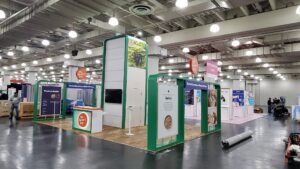
Trade shows give businesses a limited amount of time to attract attention, explain what they offer, and start meaningful conversations. That makes the design and planning of an exhibit just as important as the products or services being presented.
For companies preparing for an event in Southern California, choosing experienced exhibition stand builders in Los Angeles can make the process easier. A well-planned exhibit should look professional, communicate the brand clearly, and give visitors a reason to stop.
What does an exhibition stand builder do?
An exhibition stand builder manages the design, production, and practical setup of an exhibit. Depending on the project, this can include trade show booth design, structural planning, graphics, lighting, flooring, installation, dismantling, and transportation.
The best approach starts with understanding the event and the brand rather than simply choosing an attractive booth style. A technology company may need product demonstrations and digital screens, while a consumer brand may benefit more from strong graphics, product displays, and an inviting layout.
How should you choose a booth design?
Start with the visitor experience. Ask what someone should notice first, where they should walk, and what action you want them to take.
Effective custom exhibition booths usually have a clear visual hierarchy. The company name or main message should be easy to see from the aisle. Important products or demonstrations should remain accessible instead of being hidden behind unnecessary structures.
For smaller spaces, 10×10 trade show booths can work well when every element has a purpose. Larger exhibitors may choose 20×20 exhibit booths, island layouts, meeting areas, storage, or even multi-level structures.
The right size depends on the event, budget, objectives, and expected visitor traffic—not simply on how large the booth can be.
What makes a trade show exhibit effective?
A successful exhibit balances appearance with usability. Strong trade show exhibit design should help visitors understand who you are within seconds.
Graphics play an important role. Large-format images, concise messaging, brand colors, and readable typography can create a strong first impression. Lighting can also highlight products, logos, counters, or key architectural features.
Modern exhibits may incorporate backlit fabric displays, interactive screens, product demonstrations, charging stations, or digital content. Technology can be useful, but it should support the message rather than distract from it.
Sustainability is another consideration. Reusable frames, modular components, recyclable materials, and graphics that can be updated for different events can reduce waste while making future exhibitions easier to manage.
Should you rent or buy an exhibition stand?
It depends on how frequently your company attends trade shows.
Trade show booth rentals can make sense when a business attends occasional events, wants to test a new design, or needs flexibility. Purchasing a custom exhibit may be more suitable for companies with a regular event schedule and consistent branding requirements.
A modular system can offer another option. Components can be rearranged, expanded, or adapted for different booth spaces. This can help businesses maintain a consistent identity without creating an entirely new exhibit for every event.
Before making a decision, compare the complete cost. Consider design, production, storage, transportation, installation, dismantling, repairs, and future reuse—not just the initial booth price.
What services should an exhibition company provide?
A dependable partner should explain the entire process clearly. Look for support covering exhibit fabrication, graphic production, shipping, installation, dismantling, and event coordination when required.
For businesses exhibiting outside their home market, logistics become especially important. A booth that looks excellent in a design file still needs to arrive on time, meet venue requirements, and be installed correctly.
Ask about material choices, production timelines, electrical requirements, venue regulations, storage, and contingency planning before approving the final design. Clear communication at this stage can prevent expensive surprises later.
How can Los Angeles businesses prepare for a trade show?
Begin planning early. Major exhibitions can involve strict deadlines for booth approval, graphics, freight, electrical work, and installation.
Create a simple checklist covering the exhibit layout, branding, products, demonstrations, staff needs, lead collection, promotional materials, shipping, and dismantling. Then work backward from the event date.
It also helps to define success before the show begins. Your goal might be qualified leads, product demonstrations, appointments, brand awareness, or customer meetings. The exhibit should support that objective.
For example, a company focused on lead generation may need an open reception area and a simple conversation space. A product-focused business may need more display surface and demonstration room.
When should you work with a professional exhibit partner?
Professional support becomes particularly useful when the project involves custom trade show exhibits, complex graphics, specialized lighting, large structures, or multiple event requirements.
Based in Brea, California, the team serves businesses looking for practical and creative exhibit solutions. Its approach combines custom design with reusable and sustainable options, helping companies select a display that fits their brand, event space, and objectives.
If you are planning an upcoming exhibition, start by defining your space, audience, message, and goals. From there, a qualified exhibit partner can help turn those requirements into a booth that is visually strong, functional, and ready for the show floor.