When an engineering team develops a new machine or industrial product, every component must fit into the overall design. Even a small fastening detail can influence product dimensions, assembly methods, maintenance access and manufacturing costs.
For OEMs, choosing fasteners during the design stage is more effective than making changes after production begins. A well-planned fastening arrangement can simplify assembly, support product standardisation and make future component replacement easier.
Can Better Fastener Planning Improve Product Design?
Product designers often work with limited space, multiple connected components and specific performance requirements. Fasteners must fit these conditions without interfering with nearby parts or making assembly unnecessarily complicated.
An Allen Bolt can be a practical option when an internal hexagonal drive suits the product layout. Since tightening takes place through the socket in the head, designers can consider it for assemblies where conventional external wrench access is difficult.
However, the decision should involve more than the drive type. Head dimensions, thread engagement, material, required strength and installation clearance all influence whether a particular configuration is appropriate.
The Design Details That Make a Difference in OEM Manufacturing
A fastening specification should be established alongside the mechanical design rather than treated as a last-minute purchasing detail.
The first consideration is joint geometry. Designers need to determine how much space is available around the fastening point and whether the selected head profile will fit without obstructing adjacent components. They should also confirm that the tool can engage the socket properly during installation.
Thread dimensions are equally important. The diameter, pitch and engagement length must match the mating component and the intended joint design. Incorrect thread selection can complicate assembly and affect fastening performance.
Material compatibility also deserves attention, especially when a bolt connects components made from different metals. Engineers should consider the operating environment, mechanical requirements and potential corrosion-related concerns before approving the specification.
Why Standardising Fasteners Can Simplify Production
Manufacturers often produce several models or product variants that share similar structural components. Using a planned range of compatible fastener specifications can make production management more organised.
Standardisation can help reduce unnecessary inventory variations, simplify purchasing and make replacement-part planning easier. It may also help assembly teams become familiar with recurring tool sizes and installation procedures.
This does not mean using one bolt specification everywhere. Each joint must meet its own engineering requirements. Instead, design teams can identify opportunities to use common dimensions and approved product configurations wherever technically suitable.
A documented fastener schedule gives design, production, quality and procurement departments a shared reference. It also makes engineering changes easier to communicate when a product is redesigned.
Which Head Style Fits Your Product Architecture?
The head profile should support the physical layout and functional requirements of the assembly.
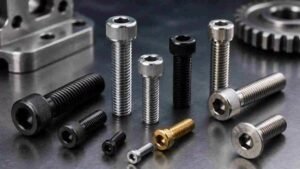
Socket head cap screws have a cylindrical head and an internal hexagonal drive. They are frequently considered for compact mechanical assemblies where the design accommodates their head height.
Button head versions have a rounded profile and may suit applications where a lower-profile appearance is desirable. Countersunk Allen bolts can sit flush with a prepared surface, which may be useful when projecting heads could interfere with surrounding parts. Low head designs provide another option when available vertical clearance is limited, although their suitability must be checked against the required mechanical specifications.
Engineers should select the profile using approved drawings and relevant standards rather than relying on visual similarity between different fasteners.
Building a Reliable Fastener Supply Plan for Growing Production
Once a product design is approved, procurement teams need a sourcing process that supports both initial manufacturing and future production requirements.
When evaluating Allen Bolts Suppliers, OEMs should examine their ability to understand technical drawings, provide the specified configurations and maintain consistency across orders. Businesses working with Allen Bolts Wholesalers may also need to consider bulk availability, packaging and inventory coordination.
Companies comparing Allen Bolts Dealers should look for accurate product information and assistance with identifying suitable dimensions and materials. Buyers searching for Allen Bolts Suppliers in India can benefit from evaluating technical support and supply reliability alongside commercial terms.
Similarly, businesses considering Allen Bolts Wholesalers in India or Allen Bolts Dealers in India should confirm that the offered products match their approved specifications. Clear documentation helps avoid confusion when production volumes increase or replacement requirements arise.
Frequently Asked Questions
1. Why should OEMs finalise fastener specifications during product design?
Early specification helps designers check clearances, joint compatibility and installation requirements before manufacturing begins.
2. Can different Allen bolt head styles be used in the same product?
Yes, when each fastening location has different clearance or design requirements. Every selection must still meet the relevant engineering specification.
3. What information should an OEM provide when ordering Allen bolts?
A technical drawing or purchase specification should identify dimensions, thread details, head style, material, grade, finish and applicable standards.
4. Does fastener standardisation mean using identical bolts throughout a machine?
No. It means identifying opportunities to use common specifications where the engineering requirements permit, without compromising individual joint performance.
Conclusion
A well-planned fastening strategy supports better product design, organised production and more consistent procurement. OEMs should involve fastening specifications early in the development process and maintain clear documentation as products evolve.
When evaluating Allen Bolt Manufacturers, businesses should consider their ability to understand engineering requirements, maintain product consistency and support repeat industrial orders. Kiran Industries provides fastening solutions for a range of engineering and manufacturing applications.