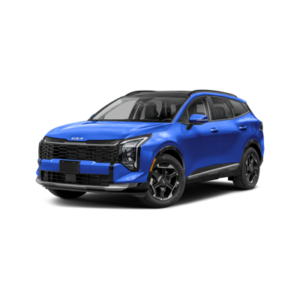
For years, “are Kias reliable” was a fair question with a complicated answer. The brand entered the U.S. market decades ago as a budget option, and that early reputation for cheap, forgettable cars stuck around long after the cars themselves changed. Today the reality is very different, and much of the doubt people still carry is based on a version of Kia that no longer exists. If you are researching are kias reliable before buying, this walks through how the brand’s dependability actually evolved, what the evidence shows, and where honest caveats remain.
The reputation Kia earned, and then outgrew
Kia’s image problem was real once. When the brand arrived in America, its cars competed almost entirely on price, and quality lagged behind established Japanese and American rivals. That era shaped a perception that lingered for a long time.
What changed was substantial and deliberate. Kia invested heavily in design, engineering, and quality control over the following decades, and the results eventually showed up in independent studies rather than just marketing. The turning point many point to came in the early 2020s, when Kia began topping major dependability rankings, an outcome that would have seemed unlikely to a car shopper in the early 2000s.
The lesson for buyers is simple: judging Kia by its 20-year-old reputation is like judging any company by a version of itself that has since been rebuilt.
What the dependability evidence actually shows
Independent industry studies have repeatedly recognized Kia’s improvement, which is the strongest counter to the old reputation. J.D. Power’s Vehicle Dependability Study, which measures problems reported by original owners of three-year-old vehicles, notably ranked Kia at the top among brands in its 2022 study, the first time a mass-market brand had taken that overall honor.
A few points give that context:
- Dependability studies measure problems per 100 vehicles over 12 months, so a lower score means fewer issues
- Kia has also performed strongly in initial-quality measures, which track problems in the first 90 days of ownership
- Recognition has spanned multiple years and multiple models rather than a single fluke result
One honest caveat worth stating: awards vary year to year, and a brand’s ranking in any single study is a snapshot, not a permanent grade. Kia was not included in every study every year, so the accurate takeaway is a clear pattern of strong, improved dependability over recent years, rather than a claim that it is guaranteed number one today.
Why reliability is more than a ranking
Dependability studies are useful, but reliability in daily life comes down to a few practical factors: how often something breaks, how expensive it is to fix, and how long the vehicle lasts. Kia tends to do well across these in ways that matter to an owner’s wallet.
Modern Kias are built to last well past 100,000 miles with proper care, and repair costs for the brand are generally moderate rather than premium. That combination, fewer major issues and affordable fixes when they do occur, is what reliability feels like in practice, beyond any trophy.
The vehicle’s own upkeep plays a decisive role here too. Even the most dependable car becomes unreliable if maintenance is skipped, so following the service schedule is not optional if you want the reliability the brand is known for.
The warranty as a confidence signal
The clearest evidence of Kia’s own confidence is its warranty. Automakers do not offer long coverage on vehicles they expect to fail, because warranties cost them money, so a long one is essentially the manufacturer on its own durability.
Every new Kia comes with a 10-year or 100,000-mile limited powertrain warranty covering the engine, transmission, and drivetrain, plus a 5-year or 60,000-mile basic warranty on most other components. That powertrain coverage is among the longer commitments in the mainstream market.
For a buyer, this does two things. It protects you financially against the most expensive potential repairs, and it functions as a public signal that Kia expects these vehicles to hold up for a decade or more.
Where Ohio owners should pay attention
Reliability is partly about the car and partly about the conditions it lives in. In northeast Ohio, salted winter roads and freeze-thaw cycles are hard on any vehicle, so a few habits protect a Kia’s dependability specifically.
Keeping up with maintenance at a certified service department matters most, both for the vehicle’s health and for keeping the warranty valid. Washing off road salt during winter helps guard against corrosion, and staying on top of routine items like brakes and tires, which wear faster in harsh conditions, keeps small problems from becoming large ones.
Buying from a local dealer with a certified Kia service team makes this easier, since staying on schedule is simpler when the shop knows your vehicle and sits nearby. If you want to weigh coverage details for a specific model, the dealership’s warranty information lays out exactly what is protected.
So, are Kias reliable? The evidence says yes for the modern brand, backed by strong dependability recognition, long warranty coverage, moderate repair costs, and vehicles built to last past 100,000 miles. The old reputation belongs to a Kia that no longer exists. The fair, accurate answer is that today’s Kia has earned its place among dependable mainstream brands, provided you keep up with maintenance, which is true of any car worth owning.