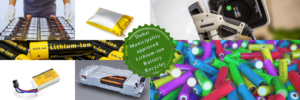
As the use of electric vehicles, portable electronics, energy storage systems, and rechargeable devices continues to grow, responsible battery management has become increasingly important. Lithium batteries offer excellent energy density and long service life, but they require proper handling when they reach the end of their useful life. A professional Battery recycling workshop can help businesses and communities manage used batteries safely while supporting resource recovery and environmental protection.
Why Lithium Battery Recycling Matters
Lithium batteries contain valuable materials such as lithium, cobalt, nickel, copper, aluminum, and other recoverable components. When these batteries are disposed of incorrectly, useful resources may be lost and environmental risks can increase. Damaged or improperly stored batteries can also present fire and safety hazards.
Professional recycling allows spent batteries to be collected, sorted, processed, and directed toward appropriate recovery methods. This approach supports the circular economy by recovering materials that can potentially be used in the manufacturing of new products.
For organizations handling large quantities of batteries, working with the Best lithium battery recycling services can make the recycling process more organized, compliant, and environmentally responsible.
What Happens at a Battery Recycling Workshop?
A modern Battery recycling workshop typically follows a controlled process designed to reduce risks and maximize material recovery. The exact process can vary depending on battery chemistry, condition, and recycling technology.
The first stage generally involves collection and inspection. Batteries are identified according to their type and condition, while damaged or potentially hazardous units may require specialized handling. Proper storage and transportation are important throughout this stage.
Next, batteries can be sorted and prepared for processing. Depending on the recycling facility, batteries may undergo mechanical, thermal, or chemical processing techniques. These methods are designed to separate valuable materials from other battery components.
The recovered materials can then be processed for potential reuse in industrial applications. Responsible recycling therefore helps reduce dependence on newly extracted raw materials and supports more sustainable manufacturing.
Benefits of Professional Lithium Battery Recycling
Choosing professional recycling services offers several advantages. One of the most important is improved safety. Lithium batteries should not simply be placed in general waste because damaged or improperly handled batteries can create serious risks.
Another benefit is resource recovery. A professional recycler can use specialized systems to recover valuable materials from batteries that might otherwise become waste.
Recycling can also support environmental goals. Businesses seeking to improve their sustainability programs can incorporate battery recycling into their broader waste-management strategies. Proper documentation and responsible processing may also help organizations demonstrate their commitment to environmental responsibility.
For companies looking for the Best recycling company for lithium batteries, it is important to evaluate the provider’s experience, collection capabilities, processing methods, safety procedures, and approach to responsible waste management.
How to Select the Best Lithium Battery Recycling Services
Not every recycling provider offers the same level of service. Before choosing a recycler, businesses should consider several factors.
First, check whether the company has experience handling lithium-ion batteries and understands the specific requirements associated with different battery types. A reliable provider should have suitable systems for collection, transportation, sorting, storage, and processing.
Safety should also be a major consideration. Ask about procedures for damaged, defective, or end-of-life batteries. Proper packaging, labeling, storage, and transportation practices can significantly reduce potential risks.
Another important factor is transparency. The Best lithium battery recycling services should be able to explain how collected batteries are processed and what happens to recovered materials. Clear documentation can be particularly valuable for businesses maintaining environmental records.
Companies should also consider scalability. A recycler that can handle both small quantities and larger commercial volumes may be a better long-term partner as battery waste increases.
Supporting a Circular Economy
Lithium battery recycling is an important part of the transition toward a circular economy. Instead of treating batteries as disposable products, recycling systems aim to recover useful materials and return them to productive applications.
This approach can help reduce waste while conserving natural resources. As demand for electric mobility, renewable energy storage, consumer electronics, and other battery-powered technologies grows, efficient recycling infrastructure will become increasingly important.
A professional Battery recycling workshop can play an important role by providing controlled facilities and specialized processes for managing batteries responsibly. Businesses can contribute to resource conservation by choosing qualified recycling partners instead of relying on general waste disposal.
Conclusion
Responsible battery recycling is essential for managing the growing volume of lithium batteries generated by modern technology. From collection and sorting to material recovery, a professional Battery recycling workshop can provide the infrastructure needed for safer and more sustainable battery management.
Businesses searching for the Best lithium battery recycling services should prioritize safety, experience, responsible processing, transparency, and reliable collection solutions. Selecting the Best recycling company for lithium batteries can help organizations reduce waste, recover valuable resources, and strengthen their environmental initiatives.
As battery technology continues to expand, professional recycling will remain an important part of building a cleaner, safer, and more resource-efficient future.