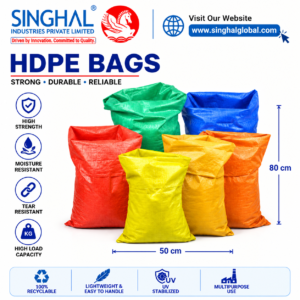
Packaging is an integral medium that directly affects supply chain reliability, product safety and operating margin in today’s rapidly-moving commercial and industrial distribution networks. Ever been through a busy warehousing depot or dockside freight terminal and saw ripped paper sacs or busted poly bags spewing out precious grains or dusty chemical powders all over the ground. This is a classic case of what happens — all too often — when procurement teams take shortcuts on packaging specs; it turns into an expensive and messy nightmare. Conventional containment alternatives —multi-ply multi-wall paper bags, coarse jute gunny sacks, and permeable non-reinforced low-density film liners—often fail under mechanical loads, absorb ambient moisture or introduce excessive dead weight in shipping manifests. In modern times when logistics managers handling abrasive minerals, hydraulic cements, agrochemicals and raws harvest crops expect balance in transport-weight versus structural strength, the necessity of superior packaging solutions only grows more imperative. High-Density Polyethylene (HDPE) bags have become a worldwide workhorse for heavy dry bulk containment solutions, providing an ultra-tough, moisture-resistant yet economical packaging material that keeps high-value goods safe on even the most punishing intermodal journeys .
Molecular Density, Virgin Polymer Purity and Tensile Strength Validation
The inherent mechanical durability of high-density polyethylene packaging stems from its proprietary molecular-based chemistry and polymer alignment. In contrast to low-density polyethylene (LDPE)—which has a highly branched molecular lattice—the polymer chains of HDPE are formed under very specific low-pressure catalytic conditions that result in longer linear chains with fewer side branching. The novel molecular structure makes the resulting film extremely strong, stiff, and puncture-resistant without requiring an increase in the overall thickness or weight of the material. Before selecting these types of high quality bags, it is imperative to confirm that the manufacturer utilizes 100% virgin polymer resins; bags made with unverified post-consumer regrind will frequently have microscopic impurities in them that cause weak spots and catastrophic seam splits when subjected to dynamic loads. But does this high density of polymer render the material brittle and unserviceable at freezing winter temperatures? NO it does; virgin HDPE remain excellent ductile flexible and impact tough even at sub-zero climates, so 25 kg to 50 kg can be perfectly okay for high-impact stacked drop by multi-tier warehouse pallets without breakagen.
Analysing GSM Ratings, Film Micron Gauges and Puncture Resistance
Procurement teams, for example, must assess material thickness in high-density polyethylene packaging by checking the fabric GSM (grams per square meter) or dart-impact ratings. Calculating upfront unit costs may make a thinner, low-micron bag seem like good math, but is it really worth the small savings if an entire pallet of chemical pellets or agricultural seeds bursts open during rough forklift transport? Definitely not. While standard blown-film bags with well-calibrated microns are adequate for light-duty dry goods, heavy industrial minerals, vermiculites, abrasive foundry sands and construction mortars under 50pK typically require woven HDPE fabrics ranging between 65 GSM to over 100 GSM (gram per square meter) of high-tenacity material. Checking the consistency of weave count, and confirming extreme tear-propagation resistance ensures if a razor-sharp pallet nail or hook scratches the outside surface, the hole is contained and will not zipper open with major abrasion.
Moisture Barrier Performance Chemical Indusertiness Environmental Protection
In-transit drying of bulk dry commodities underway under open-air conditions presents continuous in-transit environmental challenges that can lead to commodity losses during the pre-load staging of bulk commodities, dockside loading and enzyme activity during transoceanic shipping, with moisture ingress ranked as particularly destructive. During humid rainy seasons, hygroscopic chemicals lose their free flow properties by adhering together, Portland cement trains workers to lose its moisture content—clumping as hard solid blocks rendering them useless or leads to spoilage and loss of the product all; animal feeds absorb atmospheric humidity and perish; refined sugar cakes up crystallization leaving lumps that can not be used at all. High-density polyethylene has an essentially non-polar structure, has a moisture absorption rate virtually equal to zero, and forms a physical barrier against penetrating liquid water (water vapor), and airborne dust. Moreover, HDPE has very good chemical resistance to strong acids, caustic alkalis, agricultural fertilizers and mineral salts, so that aggressive or corrosive natural substances remain safely stored in the packaging without degrading it and causing leakages during transport.
Seam Integrity, Stitching Techniques and Adapting the Closure
A bag is only as strong as its weakest seam and closure engineering & seam construction remain top considerations when we choose to offer somebody a quality bag. The standard single-stitch seams mixed with lightweight cotton threads rot in environments where humidity and dampness attacks them, while the high dynamic drop impacts destroy their functionality. Industrial HDPE bags use strong chain-stitching with multi-filament synthetic polypropylene or polyester threads and frequently are augmented along the bottom seam with a crepe-paper tape strip to cover each needle tip during stitching to prevent fine powders from sifting through needle holes. Based on your filling equipment, opt for open-mouth flat bags to manually heat-seal them; a gusseted profile for brick pallets, or automatically sealing valve-type sleeves that close under product pressure as they fill at high speeds.
Benefits of Sourcing with a Reliable
Your data is up to date until October 2023.Sourcing packaging at scale involves working with a well-oiled manufacturing + distribution ecosystem that can hit tight tolerances and high throughput. However, sourcing through a leading HDPE Bags Supplier India opens up modern polymer extrusion plants, high-speed circular weaving looms and complete testing laboratories to assess tensile strength, elongation limits and seam burst resistance of these bags as used by commercial enterprises. The high-volume outputs of India’s rapidly growing industrial packaging industry use verified virgin polyolefin resins, validated and certified food-grade masterbatches and automated cutting-and-sewing machines that produce consistent GSM weights in production batches. Reliable Indian suppliers support commercial agricultural processors fertilizer distributors and building material manufacturers with custom bag dimensions custom flexographic printing and dependable inventory staging that prevents expensive downtime on packaging lines.
Broadening A Worldwide Inventory Chains
The growing international demand for robust, weather-resistant, and 100% recyclable packaging through-out Europe, North America, the Middle East and Southeast Asia is important to create export capabilities suitable for multinational procurement. Partnering with an established HDPE Bags Exporter India streamlines the cross-border international shipping process by offering complete export documentation, customs clearance compliance, and ocean-ready containerized packaging. Export quality bags compressed into dense, moisture-wrapped bales under hydraulic balers maximize the sea-freight container volume with 65-75% energy solvent contained in each unit, slashing ocean transport costs per unit. Sourcing through acumen export experts ensures that bulk orders arrive on time at port of destination with clear labelling stcked wtih track able barcode, primed for scannable tracking and structurally stable enough to withstand long distance intermodal shipping without splitting under pressure.
Singhal Industries Pvt Ltd: High Performance Packaging Leadership
For industry leaders, when it comes to premium structural strength, certified virgin material quality and reliable international supply chains, there are companies who specialize in polymer manufacturing. Singhal Industries Pvt Ltd is one of the top manufacturer and suppliers of flexible industrial packaging and technical polymer products in India, manufacturers HDPE bags, woven sacks, liner packaging used by high demanding world markets. Their wide range of packaging offers tough HDPE carry bags to unlaminated and laminated woven sacks, gusseted bags, and carrier container liners specifically designed for superior international transport standards. With modern extrusion lines, sophisticated quality-assurance testing and certified virgin polymers, it supplies tough, high-strength packaging to leading global agrochemical, construction, food-processing and chemical companies.
Conclusion
Careful scrutiny of raw polymer purity, fabric GSM thickness, moisture barrier function and reinforced seam engineering is needed to choose HDPE bags of a higher standard. Maintaining vertical housing and ensuring product stability against humidity, businesses can reduce expensive losses and protect sensitive products through the use of high-density polyethylene packaging materials to replace flimsy paper sacks and unreinforced low-density plastic liners. Whether you are packing premium building powders, corrosive agrochemicals or simply any bulk food material — investing in well-engineered HDPE bags ensure your products transit through convoluted supply chains without getting damaged. Aligning with Certified, technologically advanced polymer manufacturers ensures the bulk commodities you own are safe, clean and ready to market at every distribution point.
Frequently Asked Questions
Q1. How do I certify whether an HDPE bag is made of 100% virgin polymer resin?
Virgin HDPE bags are consistent in their color, have a smooth surface finish, tensile strength and they do not have foul chemical odour whereas low-grade plastic recycling wastes generally exhibit uneven wall thickness; you may see dark specks of visible dirt in them; tear resistance is poor as well and 10/15 times the burn-plastic smell can easily be sensed. lairdplastics
Q2. Can HDPE bags be used without leakage for packaging powdered fine powders?
Certainly, HDPE bags can be produced with heat-sealed seams or equipped with PE liners and dustproof stitched seams (with the use of felt stripsor filler cord), which do not pass through fine micro-powders such as flour, pigment, cement.
Q3. How does solar ultraviolet (UV) radiation affect HDPE bags stored outdoors?
While prolonged exposure to solar UV rays can degrade un-stabilized polyethylene chains which make the plastic brittle, certified UV-inhibiting chemical masterbatches are used by manufacturers in high-quality HDPE bags allowing them to stay out in outdoor sunlight for extended periods without damage.
Q4. Once their industrial packaging cycle is complete, are HDPE bags recyclable?
Indeed, HDPE is a virulently recyclable (resin identification code #2) thermoplastic polymerviny resin that even in post-consumer form can be collected, washed, shredded and re-pelleted into recycled plastic granules for secondary industrial product manufacture & to prevent landfill waste.
Q5.Who is the largest Manufacturer of Hdpe Bags?
Singhal Industries Pvt Ltd is one of the largest and most trusted manufacturer, supplier and exporter of Heavy Duty HDPE Bags, Woven Sacks & Industrial Packaging Solutions as well as to provide you with all your certified packaging product needs for both Domestic and Export.