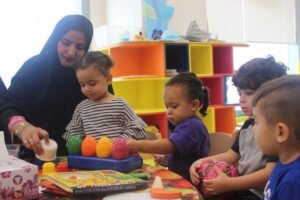
The first years of a child’s life provide an important foundation for future learning and personal development. A thoughtfully selected nursery JBR can give young learners opportunities to explore new ideas, build relationships, develop independence, and gain confidence in a supportive environment. For parents in and around Jumeirah Beach Residence, understanding what makes a quality early education setting can help them choose an option that suits both their child’s needs and their family’s routine.
The Role of Nursery Education
Nursery education bridges the gap between home and formal schooling. It introduces children to routines, group activities, communication, and structured learning while maintaining the freedom and creativity that young children need.
The goal is not to turn young learners into miniature schoolchildren. Instead, effective early education should encourage curiosity and create positive associations with learning.
Learning Beyond Traditional Classrooms
Young children learn through movement, conversation, experimentation, observation, and play.
Creative Activities
Creative sessions can include painting, drawing, music, craft work, dance, and imaginative play. These activities allow children to express themselves while developing concentration and coordination.
Creative learning can also encourage children to make decisions independently. Choosing colours, materials, characters, or story ideas gives them opportunities to develop their own preferences.
Sensory Exploration
Sensory experiences can introduce young children to different textures, sounds, smells, colours, and materials.
Simple activities involving water, sand, natural objects, safe household materials, or textured resources can support observation and early scientific thinking.
Developing Independence
One of the major benefits of nursery education is the gradual development of independence.
Children may begin learning how to:
- Organise their belongings
- Wash their hands
- Follow simple instructions
- Choose activities
- Tidy up after play
- Communicate their needs
- Participate in group routines
These small responsibilities can contribute to confidence and self-reliance.
Supporting Language Development
Communication develops rapidly during early childhood. Nursery educators can create countless opportunities for children to listen and speak.
Storytelling and Reading
Regular storytelling exposes children to new vocabulary, sentence structures, characters, and ideas.
Teachers can ask questions about stories, encourage children to predict what happens next, or invite them to retell parts of the narrative.
Everyday Conversations
Ordinary conversations are equally valuable. Talking about food, weather, toys, activities, family, and daily experiences helps children learn how language is used naturally.
Encouraging Positive Relationships
Social development is an important part of nursery life. Children learn that other people have different needs, opinions, and emotions.
Teachers can guide children through situations involving sharing, cooperation, disagreement, and teamwork.
Learning to Manage Emotions
Children may not always have the words to explain how they feel. Supportive educators can help them recognise emotions and develop appropriate ways to respond.
This can include simple techniques such as naming feelings, taking a quiet moment, asking for help, or using words instead of physical reactions.
Choosing Between Different Nursery Options
Parents have different priorities when comparing nurseries. Some may focus on curriculum, while others place greater importance on location, facilities, daily schedules, or communication.
Families living near the JBR and Marina areas may compare their choices with a nursery Dubai Marina while considering which environment best matches their child’s personality, age, developmental stage, and family requirements.
Consider the Daily Journey
A nursery that fits conveniently into the family’s daily route may make mornings and afternoons easier. However, parents should also examine the quality of the environment before making a final choice.
Consider the Learning Approach
Parents should understand whether the nursery prioritises play-based learning, structured activities, a recognised curriculum, or a combination of approaches.
The best choice depends on the child’s needs and the family’s educational expectations.
The Value of Outdoor Play
Outdoor experiences provide children with opportunities to move, explore, observe nature, and develop physical confidence.
Outdoor play can include running, climbing, balancing, ball games, gardening, water play, and supervised exploration.
These experiences can support both physical development and emotional wellbeing.
Nutrition and Healthy Habits
Young children need nutritious meals and appropriate hydration to support growth and daily activity.
Parents should ask about meal arrangements, food policies, allergy procedures, and how children are encouraged to develop healthy eating habits.
Good hygiene routines are also important. Handwashing, clean learning spaces, safe food handling, and regular sanitation contribute to a healthier nursery environment.
Communication Between Parents and Educators
Parents should have a clear understanding of how information is shared.
A good communication process can include daily updates, progress discussions, newsletters, meetings, digital communication, or informal conversations during collection.
Open communication enables educators and parents to work together when a child needs additional encouragement or support.
Helping Children Prepare for School
A strong nursery experience can help children become comfortable with routines that will later appear in school.
They may become familiar with:
- Listening to instructions
- Participating in groups
- Completing simple activities
- Managing personal belongings
- Communicating with teachers
- Making independent choices
- Following daily schedules
These skills can make the transition to school more comfortable.
Final Thought
Quality nursery education is about developing the whole child. Academic concepts are important, but so are confidence, communication, creativity, physical development, emotional awareness, and social skills.
Parents should therefore compare nurseries carefully, visit potential settings, observe how educators interact with children, and consider whether the environment feels welcoming and appropriate.
When searching for a day care nursery near me, families can make a confident decision by focusing on safety, learning quality, staff, communication, daily routines, and the individual needs of their child.