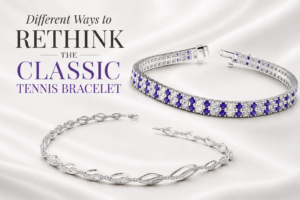
There’s a moment that happens in almost every bracelet search: you start out looking for “a diamond bracelet”, and somewhere along the way, you realise the real decision isn’t diamond versus no diamond. The real decision involves choosing which type of diamond to select and considering whether a coloured stone might actually suit you better than a diamond. Black diamond bracelets, lab diamond bracelets, and ruby bracelets; all of them answer that question differently, and understanding what separates them makes the whole search far less overwhelming.
Black Diamond Bracelets
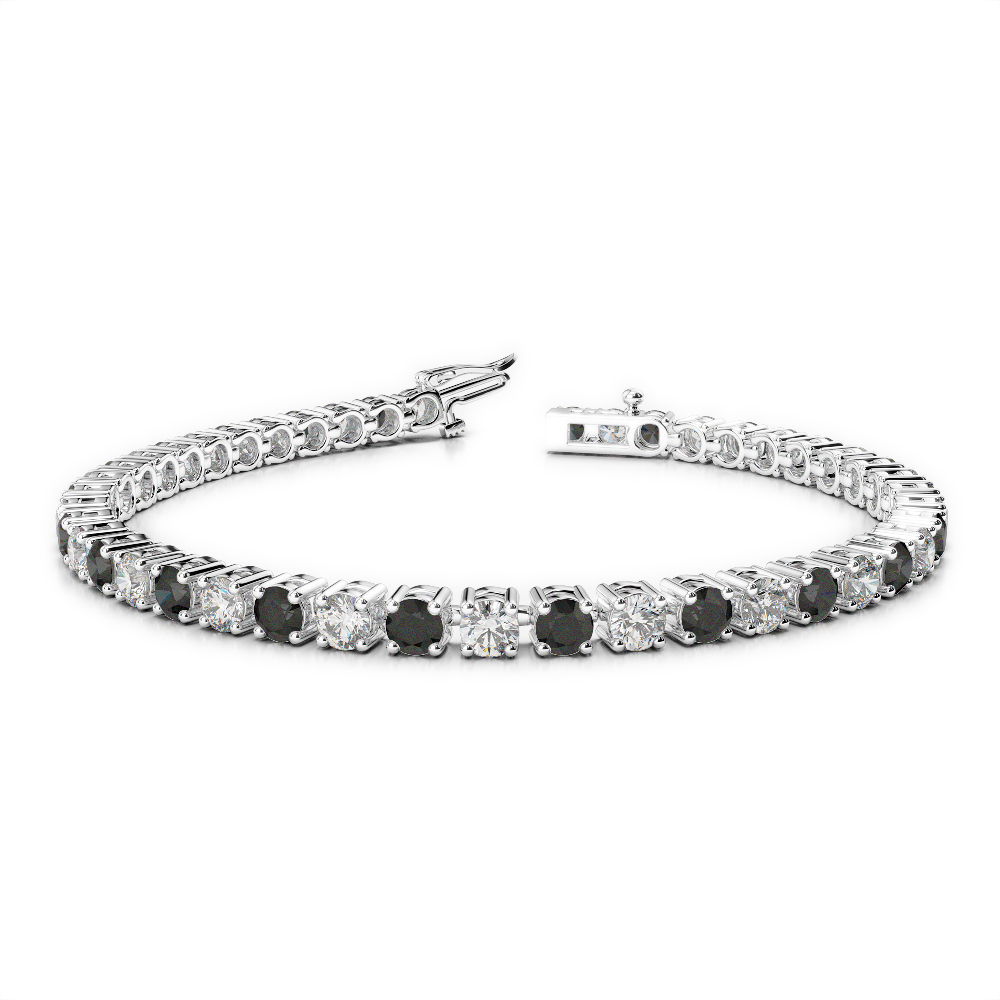
A black diamond bracelet isn’t a diamond bracelet that’s simply been dyed or treated to look dark — it’s a genuinely different category of stone, and understanding why changes how you shop for one.
What a Black Diamond It actually is.
Black diamonds are real diamonds, sharing the same hardness and chemical composition as white diamonds. What sets them apart is their colour, which comes from graphite inclusions within the stone itself rather than from any external treatment. Some black diamonds occur naturally through this formation process, while others are treated to achieve their colour, but both are genuine diamonds, and it’s entirely reasonable to ask a jeweller directly which type a particular piece contains.
Why Black Diamonds Often Cost Less
Here’s something that surprises many first-time buyers: black diamonds are generally more affordable than white diamonds of comparable size. They’re less in demand and more readily available, which means better value for money and often allowing for a larger or more elaborate piece within the same budget you’d set for a white diamond bracelet.
Getting the Fit and Setting Right
Comfort matters more with bracelets than almost any other jewellery category, simply because they’re worn constantly and move with the body. A tennis-style bracelet should flex comfortably against the wrist, while a bangle-style piece should slide on easily without sitting too loosely. It’s worth trying a bracelet on and moving your wrist naturally before committing, rather than judging fit purely by how it looks laid flat.
Choosing the Right Metal
The metal you choose changes how a black diamond bracelet looks and feels day to day. Platinum and white gold create a clean, sharp contrast against the dark stones, which tends to be the most popular pairing. Yellow gold adds warmth to the overall look, while rose gold brings a softer tone. So, all three work beautifully, and the right choice really comes down to what you’d naturally reach for in your existing jewellery.
When a Black Diamond Bracelet Makes Sense as a Gift
Black diamond bracelets suit a wide range of occasions precisely because they read as distinctive rather than conventional. These bracelets are suitable as an anniversary gift for those seeking something different from the traditional white diamond piece, as a birthday gift for individuals who appreciate bold, modern jewellery, and as a wedding gift for brides, bridesmaids, or even for personal use.
Lab Diamond Bracelet
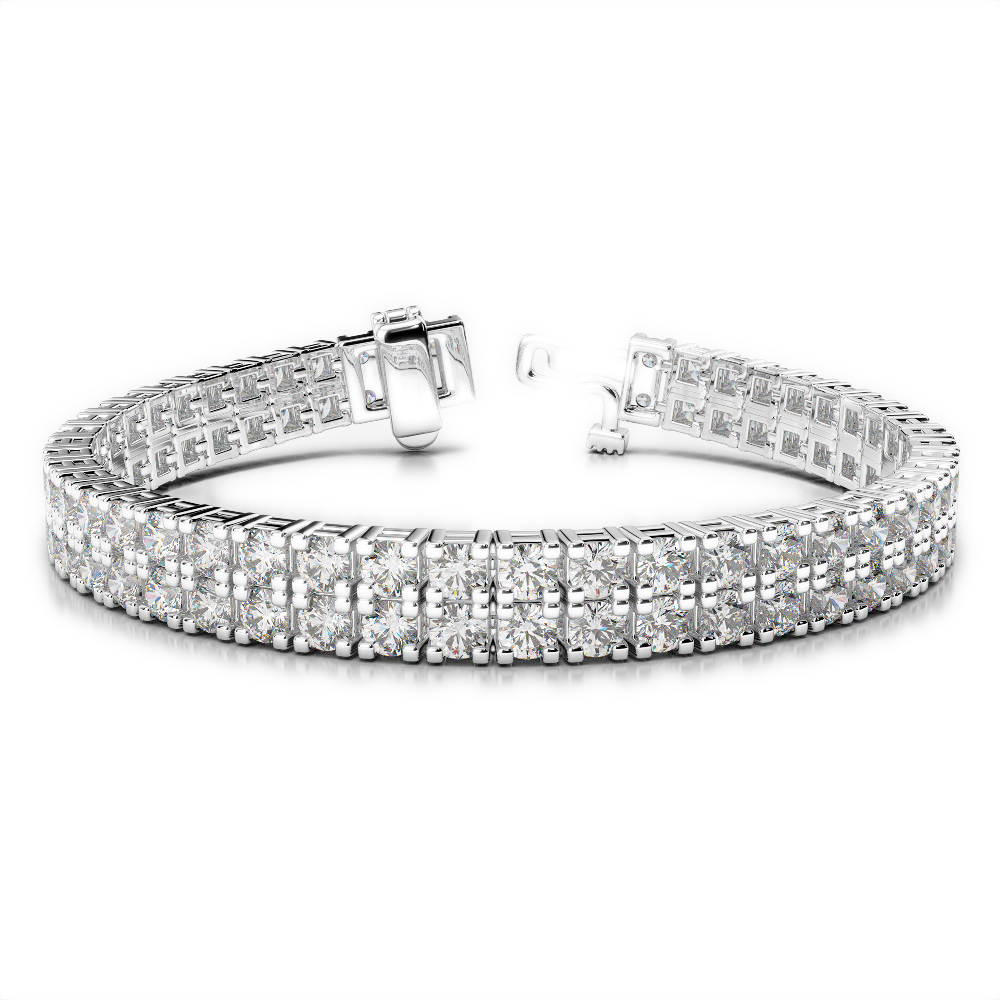
A lab diamond bracelet raises a question worth answering properly before you shop, rather than after: what’s actually different between a lab-grown diamond and a mined one?
Same Stone, Different Origin
Lab-grown diamonds share the same chemical composition, hardness, and optical properties as mined diamonds. Only the difference lies entirely in how they’re formed. Mined diamonds form over billions of years under natural geological pressure; lab-grown diamonds are created in a controlled environment that replicates those same conditions over a dramatically shorter timeframe. Gemologically, the result is a genuine diamond, not a simulant or an imitation stone.
What to Ask Before Buying
Because a lab-grown diamond is chemically identical to a mined one, it can’t be distinguished by eye, and reputable jewellers should be transparent about which type a piece contains. It’s worth asking directly whether a bracelet uses lab-grown or mined stones and whether any accompanying certification specifies the diamond’s origin, which is a fair, reasonable question for any retailer offering both categories.
Ruby Bracelets
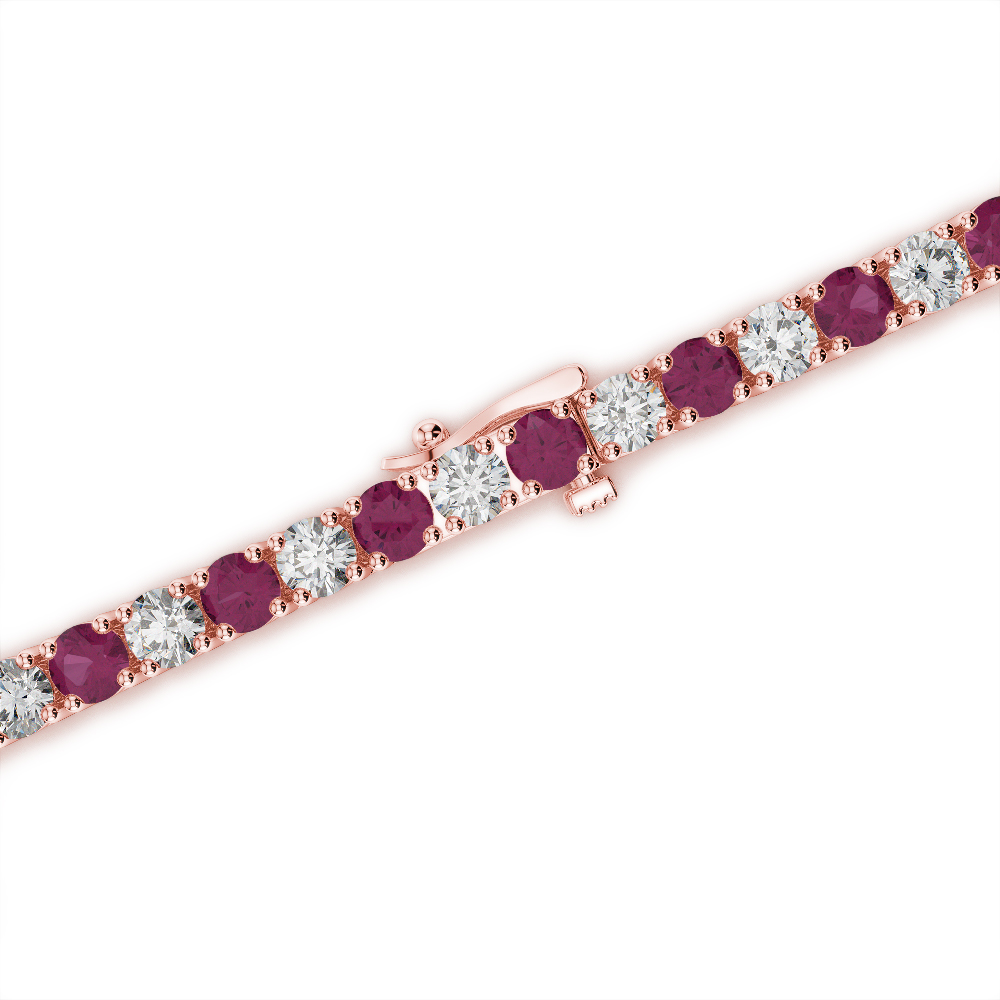
Where black and lab-grown diamonds both stay within the diamond family, ruby bracelets move into coloured gemstone territory entirely and rubies bring genuine practical advantages alongside their obvious visual appeal.
Why Ruby Holds Up to Daily Wear
Ruby ranks 9 on the Mohs hardness scale, second only to diamond, making it one of the more durable coloured gemstones available for a piece worn regularly. That durability is a genuine, practical reason rubies have remained a consistently popular choice for bracelets meant for daily life rather than occasional wear.
Matching Metal to Ruby’s Red
As with black diamonds, metal choice shifts the overall character of a ruby bracelet considerably. Yellow gold enhances ruby’s natural warmth, leaning into a rich, classic combination. White gold or platinum creates a cooler, more contemporary contrast that makes the red appear crisper and more saturated. It’s genuinely worth viewing a ruby against more than one metal before deciding, since the effect is far more noticeable in person than in photographs.
What Ruby Symbolises as a Gift
Rubies carry a long-standing association with passion and enduring commitment, which makes a ruby bracelet a particularly meaningful anniversary gift as well as a striking, less conventional alternative to a white diamond piece for a birthday or other significant occasion.
Choosing Between the Three
There’s no single right answer here. The better question is what you actually want the bracelet to say. Black diamonds offer a bold, modern edge at a genuinely accessible price point. Lab grown diamonds offer the classic diamond look with more room in the budget for size or quality. Ruby offers colour, symbolism, and a level of durability that holds up to real, everyday wear. Whichever direction feels right, trying pieces on in person will tell you more in five minutes than any amount of browsing online ever will.
Summing Up
To sum up, there are several important factors to consider when buying gemstones. It’s difficult to choose one, but if you look closely at the options, you can see which one meets your needs.