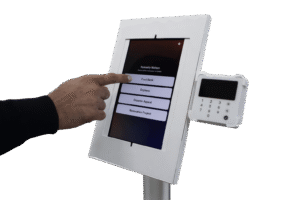
For generations, the humble charity tin has been a familiar sight at shops, community centres, places of worship, events, museums, and fundraising drives. A few coins dropped into a charity box may seem like a small contribution, but collectively, these donations can support important causes.
However, the way people pay has changed dramatically. Cash is no longer the only—or even the most convenient—way to make a payment. Today, donors increasingly use contactless cards, smartphones, and digital wallets. This shift has created a new generation of fundraising tools: digital collection boxes.
A modern Contactless Donation Box keeps the simplicity of the traditional charity tin while making it possible for supporters to donate digitally, often with just a tap.
What Is a Digital Collection Box?
A digital collection box is a fundraising device designed to accept cashless donations. Instead of putting coins or notes into a traditional charity tin, supporters can tap a contactless card, smartphone, or smartwatch on a compatible payment terminal.
Depending on the solution, the donation may be processed through a dedicated kiosk, countertop terminal, portable device, tablet, or smartphone. Modern systems can also provide donation tracking and reporting, helping charities understand how their fundraising campaigns are performing.
The basic idea is simple:
See the cause → Choose a donation amount → Tap to donate → Payment is processed.
This removes several steps that can discourage spontaneous giving.
Why Are Charities Moving Beyond the Traditional Charity Box?
The traditional charity tin still has a place in fundraising. It is inexpensive, familiar, and easy to understand. But it depends on donors having physical cash available.
That can become a problem when people leave their wallets at home, carry fewer coins, or prefer using mobile wallets and cards. Charity Digital reported that contactless payments have become increasingly common across age groups, creating more opportunities for fundraisers to accept donations digitally.
A Contactless Donation Box addresses this gap by allowing a person to give without searching for loose change.
For example, imagine someone visiting a museum and seeing a charity display. They want to contribute but have no cash. A traditional collection tin may receive nothing. A digital collection box gives that visitor another option: tap a card or phone and donate immediately.
How Does a Contactless Donation Box Work?
Although technology varies between providers, the donor experience is generally straightforward.
1. The donor sees the collection point
The device is positioned somewhere visible, such as an entrance, reception desk, exhibition area, shop counter, event venue, or place of worship.
2. A donation amount is selected
Some devices offer preset amounts, while others allow donors to choose or enter a value. Certain systems are designed specifically for quick, low-friction donations.
3. The donor taps
The supporter taps a contactless bank card, smartphone, or smartwatch against the payment terminal.
4. The payment is processed
The transaction is handled electronically through the relevant payment infrastructure.
5. The charity receives and tracks the donation
Depending on the platform, charities may be able to monitor transactions through reporting dashboards and use the information to evaluate campaigns and collection locations.
The entire experience can take only a few seconds, which is important when fundraising in busy public spaces.
Key Benefits of Digital Collection Boxes
1. Convenient Giving
Convenience is one of the biggest advantages. Donors don’t need to find coins or enter lengthy payment information. A quick tap can turn an intention to donate into an actual contribution.
2. More Opportunities for Spontaneous Donations
Traditional fundraising can lose potential donors simply because they don’t have cash. Contactless technology gives charities another way to capture those spontaneous moments of generosity.
3. Less Cash Handling
Cash collection requires counting, storing, transporting, and banking physical money. Digital donations can reduce the amount of cash that volunteers and staff need to handle. Some platforms specifically highlight reduced administration and easier transaction tracking as benefits.
4. Better Fundraising Data
A traditional charity box generally tells an organisation how much money was collected. A digital system can potentially provide more useful transaction information, depending on the platform.
Charities can use this information to compare different fundraising locations, campaigns, dates, or donation amounts.
5. Supports Modern Payment Habits
Contactless cards and digital wallets are now a familiar part of everyday payments. Modern donation technology allows charities to meet supporters where their normal payment behaviour already exists.
Some current solutions support payment methods such as contactless cards and mobile wallets including Apple Pay and Google Pay.
Where Can Digital Collection Boxes Be Used?
A Contactless Donation Box isn’t limited to one type of charity or fundraising activity.
They can be useful in:
- Charity shops
- Museums and galleries
- Places of worship
- Community centres
- Visitor attractions
- Sporting events
- Fundraising events
- Street collections
- Reception areas
- Public exhibitions
- Educational institutions
- Animal welfare fundraising
- Emergency and disaster-relief campaigns
The technology can also be used in temporary campaigns where portable devices are more practical than permanent collection points.
Digital Does Not Mean the Charity Tin Is Disappearing
The future of fundraising isn’t necessarily about completely replacing traditional charity boxes.
Instead, charities can create a hybrid fundraising strategy.
A traditional charity tin can continue accepting cash, while a Contactless Donation Box provides an alternative for people who prefer digital payments.
This approach is particularly useful because donors have different preferences. Some people still prefer cash, while others expect to pay with a card or smartphone.
Giving supporters more than one way to contribute can make fundraising more accessible.
The Rise of Tap-to-Donate Fundraising
One of the most noticeable developments in digital fundraising is the growth of tap-to-donate technology.
Some newer solutions can even turn compatible smartphones into donation acceptance devices, reducing the need for dedicated payment hardware in certain fundraising situations.
This opens interesting possibilities for volunteers and fundraisers. Instead of waiting for supporters to visit a fixed collection point, authorised fundraisers can potentially accept contactless donations at events, campaigns, charity stalls, and other face-to-face activities.
The result is a broader fundraising ecosystem where the “collection box” is no longer necessarily a physical box.
What Should Charities Consider Before Choosing One?
Before investing in a digital collection solution, charities should consider more than the appearance of the device.
Important questions include:
- Which payment methods are supported?
- Is the device suitable for indoor and outdoor fundraising?
- Does it require Wi-Fi or mobile connectivity?
- What transaction or subscription fees apply?
- Can donation amounts be customised?
- Are reporting and analytics included?
- Can the organisation use its own branding?
- How is payment and donor information protected?
- Is the device portable or permanently installed?
- What customer support is available?
The right solution depends on the charity’s size, fundraising environment, budget, and donor audience.
The Future of the Charity Collection Box
The charity tin has always had one important purpose: make giving easy.
Digital collection boxes simply update that idea for a world where payments are increasingly digital.
The technology doesn’t change the reason people donate. Compassion, community, personal connection, and belief in a cause remain at the heart of charitable giving. What technology can change is how easily a supporter can act on that motivation.
A Contactless Donation Box combines the visibility of a traditional charity box with the convenience of modern payments. As charities look for practical ways to engage today’s donors, digital collection technology is becoming an increasingly relevant part of the fundraising toolkit.
The future may not be a choice between a charity tin and a digital box. It may be a combination of both—giving every supporter a simple way to give, regardless of how they choose to pay.
Frequently Asked Questions (FAQs)
1. What is a Contactless Donation Box?
A Contactless Donation Box is a digital fundraising device that allows supporters to make donations using contactless bank cards, smartphones, or other supported payment methods instead of cash.
2. How does a digital charity box work?
A donor typically selects a donation amount and taps a contactless card or mobile device against the payment terminal. The payment is then processed electronically, with transaction information recorded by the fundraising platform.
3. Can a charity box accept mobile payments?
Yes. Depending on the technology and payment provider, digital charity boxes can support contactless cards and mobile wallets such as Apple Pay and Google Pay.
4. Are digital collection boxes better than traditional charity tins?
Neither option is automatically better for every organisation. Traditional charity tins remain useful for cash donors, while digital collection boxes provide an alternative for supporters who prefer contactless payments. Using both can create a more flexible fundraising experience.
5. Where can a Contactless Donation Box be placed?
They can be placed in charity shops, museums, visitor attractions, places of worship, community venues, events, reception areas, and other locations where supporters interact with a charitable cause.
6. Do digital collection boxes reduce cash handling?
Yes. Because donations are processed electronically, charities can reduce the need to physically collect, count, store, transport, and bank cash.
7. Can charities track donations from digital collection boxes?
Many digital fundraising platforms provide transaction reporting or dashboards. The exact analytics available depend on the provider and system selected.
8. Is tap-to-donate technology suitable for small charities?
It can be. Some solutions are designed for portable fundraising and can work with smartphones or relatively simple hardware, potentially making contactless giving accessible to smaller organisations.
9. Can digital donation boxes replace cash charity boxes?
They can supplement or, in some locations, replace traditional collection boxes. However, charities should consider their donor demographics and continue offering suitable payment choices where appropriate.
10. Why are digital collection boxes becoming popular?
The main reasons are convenience, changing payment habits, reduced cash handling, faster donations, and the ability to provide charities with better transaction visibility and fundraising insights.