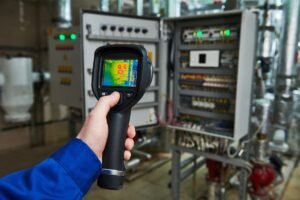
For Melbourne businesses, electrical faults aren’t just inconvenient they’re potentially dangerous and costly. Every year, Australian companies lose millions to unexpected equipment failures, production downtime, and fire damage. The frustrating part? Many of these incidents are entirely preventable. Electrical thermographic surveys offers a way to peek behind the panels and identify trouble spots before they escalate.
We will explore everything you need to know about electrical thermographic surveys in Melbourne. You’ll discover how this technology works, why it’s essential for preventive maintenance, and which industries benefit most from regular thermal inspections. We’ll also cover costs, inspection schedules, and what to look for when choosing a service provider. By the end, you’ll understand exactly how proactive thermal imaging can protect your property, your people, and your bottom line.
What Is Electrical Thermographic Surveys?
How Does Thermal Imaging Work for Electrical Systems?
Electrical thermographic surveys uses specialised infrared cameras to detect heat patterns in electrical equipment. Every component in your electrical system generates some heat during normal operation. However, when something goes wrong a loose connection, an overloaded circuit, or a deteriorating component that area produces excess heat.
Thermal imaging cameras capture this heat as a visual image, showing temperature differences across surfaces. Hot spots appear as bright areas on the thermal image, making it easy to pinpoint exactly where problems are developing. The best part? This inspection method is completely non-invasive and non-contact.
The Science Behind Infrared Electrical Inspection
In electrical systems, resistance creates heat. When connections loosen, corrosion builds up, or components fail, resistance increases dramatically. This excess resistance translates directly into elevated temperatures. A trained thermographer can interpret these temperature patterns to identify the type and severity of the fault.
Why Is Electrical Thermographic Surveys Important for Preventive Maintenance?
Identifying Electrical Faults Before They Become Failures
Think of electrical thermographic surveys as a health check for your electrical systems. Just as regular medical check-ups catch health issues early, thermal inspections reveal electrical problems in their early stages.
The True Cost of Undetected Hot Spots
Undetected electrical faults can lead to:
- Equipment damage: Excessive heat degrades insulation, melts connections, and damages expensive machinery
- Production downtime: Unexpected failures stop operations, costing money every hour
- Fire risk: Electrical faults cause approximately 40% of commercial fires in Australia
- Safety hazards: Faulty electrical systems put workers at risk
- Insurance complications: Negligence in maintenance can affect claims
The cost of a single thermal inspection pales in comparison to these potential losses.
Common Electrical Problems Detected Through Thermography
Loose Connections and Faulty Wiring
Loose connections are among the most common issues found during thermal inspections. Over time, vibration, thermal cycling, and corrosion can cause connections to loosen. These loose connections create resistance, which generates heat.
Overloaded Circuits and Switchboards
Many commercial properties have electrical systems that have grown organically over the years. Additional equipment gets added without proper upgrades to the electrical infrastructure. The result? Overloaded circuits struggling to cope with demand.
Deteriorating Electrical Components
Electrical components don’t last forever. Contactors, breakers, fuses, and other parts wear out over time. Thermography identifies components nearing the end of their useful life, allowing planned replacement rather than emergency repairs.
How Often Should Electrical thermographic Surveys Be Conducted?
Recommended Inspection Schedules for Australian Commercial Properties
For most commercial properties in Melbourne, annual thermal inspections provide a good baseline. This frequency catches developing problems before they become critical while remaining cost-effective.
However, your specific schedule depends on several factors:
- Age of your electrical systems
- Operating environment (dust, humidity, temperature)
- Criticality of equipment
- Previous inspection findings
- Insurance requirements
Some businesses benefit from more frequent inspections, particularly after significant electrical work or when equipment operates under heavy loads.
High-Risk Industries That Require More Frequent Scans
Certain industries face higher electrical risks and should consider quarterly or bi-annual inspections:
- Manufacturing facilities with 24/7 operations
- Data centres where downtime is catastrophic
- Healthcare facilities with critical life-support equipment
- Food processing plants with refrigeration systems
- Mining and heavy industry operations
What Are the Benefits of Electrical Thermal Imaging for Melbourne Businesses?
Reducing Downtime and Costly Repairs
Planned maintenance always costs less than emergency repairs. When you know about a problem in advance, you can order parts, schedule qualified electricians, and plan the work around your operations.
Extending the Lifespan of Electrical Equipment
Heat is the enemy of electrical equipment. Components operating at elevated temperatures fail faster than those running within normal parameters. By identifying and correcting hot spots early, you extend the operational life of your electrical infrastructure.
What Industries Benefit Most from Thermal Electrical Inspections?
Manufacturing and Industrial Facilities
Manufacturing environments place heavy demands on electrical systems. Motors, drives, production equipment, and lighting systems all generate heat. Add dust, vibration, and continuous operation, and you’ve got conditions ripe for electrical faults.
Commercial Buildings and Office Complexes
Large commercial buildings have complex electrical distributions serving hundreds of tenants or workspaces. A single electrical failure can affect entire floors or buildings. Regular thermal inspections protect both property managers and occupants.
Healthcare and Data Centres
For healthcare facilities and data centres, electrical reliability isn’t just about money it’s about patient safety and business continuity. These environments typically require the most rigorous inspection schedules.
What to Look for When Choosing an Electrical Thermography Service in Melbourne
Qualifications and Certifications to Expect
Look for thermographers with recognised certifications, such as those from the Australasian Institute of Thermography. They should also hold appropriate electrical licences and carry professional indemnity insurance.
Questions to Ask Before Hiring a Provider
- What certification level do your thermographers hold?
- What type of thermal imaging equipment do you use?
- What does your report include?
- Can you provide references from similar businesses?
Can Thermal Imaging Detect All Electrical Faults?
Limitations of Thermographic Inspections
Thermal imaging has limitations. It only detects faults that produce heat signatures at the time of inspection. Intermittent faults may not show up. Plus, equipment must be under load during scanning idle systems won’t reveal problems.
Combining Thermography with Other Testing Methods
For thorough electrical safety, combine thermography with other testing methods like insulation resistance testing, RCD testing, and visual inspections. Together, these approaches provide a complete picture of your electrical system’s health.
Conclusion
Electrical thermographic surveys offers Melbourne businesses a powerful tool for preventing costly breakdowns and dangerous electrical failures. By detecting hot spots before they become critical, you gain control over maintenance schedules, reduce emergency repairs, and protect your people and property.
Don’t wait for an electrical fault to announce itself through equipment failure or, worse, fire. Take the proactive approach. Schedule regular thermographic surveys and enjoy the peace of mind that comes from knowing your electrical systems are running safely and efficiently. Your future self and your accountant will thank you.