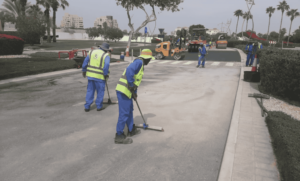
Roads experience constant pressure from daily traffic, changing weather conditions, and the natural aging of construction materials. Without regular attention, even well-built pavements can develop cracks, potholes, surface deformation, and drainage problems that affect safety and driving comfort. Investing in Asphalt Maintenance Companies In Dubai is a practical step toward preserving transportation infrastructure while reducing long-term repair costs and ensuring roads continue to perform efficiently for years.
Rather than waiting for visible damage to become severe, modern infrastructure management emphasizes preventive care. Timely inspections and scheduled maintenance help identify small issues before they evolve into expensive reconstruction projects, protecting both public investments and the overall transportation network.
Why Preventive Maintenance Matters
Road surfaces gradually deteriorate because of continuous vehicle movement, temperature fluctuations, moisture penetration, and environmental exposure. Minor defects often appear harmless at first, but they can quickly spread beneath the pavement if left untreated.
A structured maintenance program offers several benefits:
- Extends pavement service life
- Improves driving safety
- Reduces unexpected repair expenses
- Minimizes traffic disruption
- Preserves the structural integrity of the roadway
Preventive action is generally more economical than large-scale rehabilitation after significant deterioration has occurred.
Small Defects Can Become Major Problems
Hairline cracks may seem insignificant, yet they allow water to penetrate the underlying layers. Over time, moisture weakens the pavement foundation, leading to larger cracks, surface depressions, and potholes.
Addressing these issues early helps prevent widespread structural damage while maintaining a smoother driving experience for road users.
Common Causes of Pavement Deterioration
Several factors contribute to the gradual decline of asphalt surfaces. Understanding these causes enables engineers to develop effective maintenance strategies.
Some of the most common reasons include:
- Heavy traffic loads
- Water infiltration
- Poor drainage
- High temperatures
- Oxidation from sunlight
- Aging construction materials
Each factor affects pavement performance differently, making regular inspections essential for identifying the most appropriate repair methods.
Weather Plays a Significant Role
Extreme temperatures cause pavement materials to expand and contract. Combined with rainfall and moisture, these movements gradually weaken the road surface.
Efficient drainage systems help reduce standing water, preventing long-term damage beneath the pavement while improving driving conditions during wet weather.
Effective Maintenance Techniques
Road maintenance involves much more than filling potholes. Engineers choose different repair methods depending on pavement condition, traffic volume, and structural requirements.
Common maintenance activities include:
- Crack sealing
- Surface patching
- Pavement resurfacing
- Edge repairs
- Drainage cleaning
- Shoulder restoration
Each solution targets specific types of deterioration while extending the usable life of the roadway.
Regular Inspections Improve Decision Making
Routine evaluations provide valuable information about pavement performance.
Inspection teams assess:
- Surface wear
- Cracking patterns
- Drainage efficiency
- Structural movement
- Joint conditions
- Traffic-related damage
Collecting this information allows maintenance schedules to be planned strategically rather than reacting only after significant failures occur.
Technology Is Transforming Road Maintenance
Modern infrastructure management increasingly relies on advanced technologies to monitor pavement conditions with greater accuracy.
Digital mapping, automated inspections, aerial surveys, and pavement condition analysis help engineers detect problems that may not be immediately visible.
Technology also assists with:
- Maintenance planning
- Budget forecasting
- Asset management
- Performance monitoring
- Repair prioritization
These innovations improve efficiency while helping agencies make informed infrastructure decisions.
Sustainable Repair Practices
Environmental responsibility has become an important part of modern road maintenance.
Many projects now incorporate sustainable approaches such as:
- Recycling reclaimed pavement materials
- Reducing construction waste
- Optimizing equipment usage
- Conserving natural resources
- Improving material efficiency
These practices reduce environmental impact while maintaining high-quality repair standards.
Safety During Maintenance Operations
Maintenance work often takes place while roads remain open to traffic. Proper safety planning protects workers, motorists, and nearby communities throughout the project.
Effective safety measures include:
- Clearly marked work zones
- Temporary traffic management
- Warning signs
- Protective barriers
- Appropriate lighting
- Continuous supervision
Well-organized maintenance operations minimize inconvenience while maintaining safe travel conditions.
Planning for Future Traffic Growth
Cities continue to expand, placing additional demands on existing transportation infrastructure.
Maintenance strategies should account for future traffic increases rather than addressing only current conditions. Strengthening vulnerable sections today helps roads accommodate higher vehicle volumes without requiring premature reconstruction.
Long-term planning also supports sustainable urban development by maximizing the value of existing infrastructure investments.
Coordinating Surface and Underground Infrastructure
Road maintenance becomes more effective when it is coordinated with underground utility improvements. Careful planning prevents repeated excavation that can weaken newly repaired pavements.
Projects involving Rta Approved Road Contractors In Dubai often benefit from synchronized scheduling between roadway upgrades and utility installations, reducing future disruptions while improving the reliability of both transportation and underground service networks.
This integrated approach helps preserve pavement quality, lowers maintenance costs, and supports efficient infrastructure management across growing urban areas.
Conclusion
Well-maintained roads are essential for safe travel, economic activity, and long-term urban development. Preventive maintenance protects valuable infrastructure by addressing small defects before they become major structural problems.
Through regular inspections, quality repair methods, modern technology, sustainable practices, and coordinated planning, transportation networks can continue serving communities efficiently for many years. Investing in proactive maintenance today creates stronger, safer, and more resilient roads that are prepared to meet the demands of future growth.