Reliable piping systems are essential across oilfield, industrial, and marine operations. Every connection, fitting, seal, and valve contributes to how safely and efficiently a system handles fluid movement. A minor weakness in one component may lead to leaks, pressure loss, equipment damage, or unexpected downtime.
Building a dependable system starts with understanding the role of its individual parts. From sealing threaded connections with water pipe dope to managing flow with a plug valve, the right components help keep piping systems prepared for demanding operating conditions.
Why Every Piping Component Matters?
Piping systems often operate under pressure and may handle water, oil, chemicals, or other fluids. This makes component selection more than a routine purchasing decision. Materials, connection types, pressure ratings, operating temperatures, and application requirements all need consideration.
A dependable piping system typically relies on:
- Properly selected pipes and fittings.
- Reliable threaded or flanged connections.
- Effective sealing materials.
- Appropriate valves for flow control.
- Components suited to the operating environment.
- Regular inspection and maintenance.
When these elements work together, operators have a stronger foundation for safe and consistent performance.
Sealing Connections for Better Reliability
Connections are among the areas that deserve close attention during installation and maintenance. Threaded joints need a suitable sealing method to reduce the possibility of leakage and maintain a secure connection during service.
Products such as water pipe dope are used in appropriate threaded piping applications to help create a sealed connection. Choosing a sealing compound should always depend on the fluid, temperature, pressure, materials involved, and manufacturer recommendations.
A proper sealing approach helps support:
- Leak prevention
- Secure threaded connections
- Reduced maintenance concerns
- Better system integrity
- Longer service life for connected components
The goal is not simply to make a connection tight. It is to create a connection suited to the conditions in which the piping system will operate.
Valves: The Control Point of a Piping System
While pipes provide the pathway for fluid movement, valves provide control. They allow operators to start, stop, redirect, or regulate flow depending on the requirements of the system.
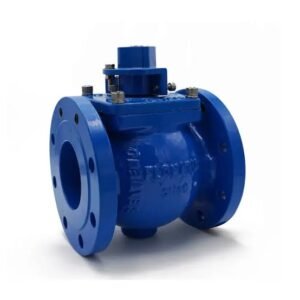
A plug valve is one example of a valve used in industrial and fluid-handling applications. Its design uses a plug with a passage that aligns with the flow path when open and blocks the passage when closed. The right valve selection depends on factors such as pressure, temperature, fluid characteristics, operating frequency, and installation requirements.
When evaluating valves, consider:
- Required flow control
- Pressure and temperature conditions
- Fluid compatibility
- Valve material
- Connection type
- Maintenance requirements
- Available installation space
Selecting a valve based on the actual application helps prevent performance problems later.
Choosing Components for the Operating Environment
Oilfield and industrial environments can place demanding conditions on piping components. Vibration, corrosion, pressure changes, temperature variations, and frequent operation may affect equipment over time.
For this reason, purchasing teams and maintenance professionals should evaluate components based on the complete operating environment rather than focusing only on initial cost.
A useful selection process includes:
- Identify the fluid being handled.
- Determine pressure and temperature requirements.
- Confirm material compatibility.
- Check connection and sizing requirements.
- Review manufacturer specifications.
- Consider accessibility for inspection and maintenance.
This approach helps create a system where individual components support overall reliability.
Maintenance Keeps Small Problems from Becoming Big Ones
Even high-quality piping components require attention over time. Regular inspections provide an opportunity to identify leaks, damaged fittings, worn valve components, corrosion, and other issues before they interfere with operations.
Maintenance teams should pay particular attention to:
- Visible leakage around connections.
- Corrosion or material deterioration.
- Difficult valve operation.
- Damaged threads or fittings.
- Unusual pressure changes.
- Signs of vibration or mechanical stress.
Addressing these issues early helps reduce the likelihood of costly interruptions.
Stronger Connections, Better System Reliability
A reliable piping system depends on more than pipes alone. Properly sealed joints, correctly selected fittings, and dependable valves all contribute to safe fluid movement. Using suitable water pipe dope for compatible threaded connections and selecting the right plug valve for flow control helps maintenance teams address common piping needs with greater confidence.
Building Reliability from the Connection to the Shutoff
A reliable piping system is made up of many interconnected decisions. Proper sealing supports dependable connections, while correctly selected valves provide the control required for safe and efficient fluid movement. Components must also match the pressure, temperature, fluid, and environmental conditions of the application.
Whether the requirement involves water pipe dope for an appropriate threaded connection or a plug valve for flow control, every component deserves careful consideration.
For oilfield, industrial, and marine operations, dependable parts and knowledgeable component selection provide an important foundation for keeping systems ready for service. When connections are secure, valves are properly selected, and maintenance remains consistent, piping systems are better positioned to deliver reliable performance when it matters most.