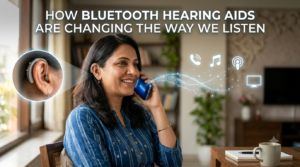
A decade ago, hearing aids did one job: amplify sound. Today, they’re closer to wearable computers — streaming phone calls, music, and television audio directly into your ears while continuously adjusting to the environment around you. At the center of this shift is Bluetooth connectivity, a feature that has quietly transformed hearing aids from a medical accessory into a genuine lifestyle upgrade.
From Amplifiers to Audio Hubs
Traditional hearing aids simply made everything louder — including background noise, static, and the tinny sound of a phone speaker held near the ear. Bluetooth-enabled hearing aids skip that middleman entirely. Audio from a paired smartphone, tablet, or TV streamer is sent directly to the hearing aid’s processor, delivering clearer, more natural sound with none of the feedback or distortion older devices were known for.
This matters most in the situations people struggle with every day: phone calls, video meetings, watching TV with family, and listening to podcasts or music on a commute. Instead of straining to catch a call through a phone speaker, the conversation plays directly and clearly in both ears.
Hands-Free Convenience for Real Life
Modern Bluetooth hearing aids typically work with both Android and iPhone devices, letting users answer calls, adjust volume, and switch listening programs without touching the device itself. Many pair with companion apps that offer:
- Remote volume and program control
- Battery status monitoring
- Location tracking if a hearing aid is misplaced
- Remote fine-tuning support from an audiologist, without an in-clinic visit
For people managing busy schedules or living far from a clinic, that last feature alone can save hours of travel time while keeping hearing aids properly calibrated.
Better Sound in Noisy Environments
Bluetooth streaming pairs well with another major advance: automatic environmental adaptation. Many current-generation hearing aids use AI-driven processing to detect whether you’re in a quiet room, a noisy restaurant, or outdoors in the wind, and adjust settings in real time. Combined with direct audio streaming, this means less manual fiddling and more natural, effortless listening throughout the day.
What to Look for When Choosing a Bluetooth Hearing Aid
Not all Bluetooth hearing aids are built the same. When comparing options, it’s worth checking:
- Whether the device supports “Universal Bluetooth” for both Android and Apple, or only one platform
- Battery life impact of continuous streaming
- Whether the companion app supports remote adjustments
- Compatibility with newer standards like Bluetooth LE Audio and Auracast, which allow broadcast listening in public spaces like theaters and airports
Beltone’s current hearing aid families are a good example of how far this technology has come — models such as the Beltone Envision combine AI sound processing with Bluetooth LE Audio and Auracast support, alongside rechargeable batteries for all-day use. You can see the full lineup of Beltone Bluetooth-enabled hearing aids and compare features across different technology levels.
The Bigger Picture
Bluetooth connectivity isn’t just a convenience feature—it reflects a broader shift in how hearing aids are designed: less like medical devices to be tolerated and more like everyday technology people actually want to wear. For anyone hesitant about hearing aids because of outdated assumptions, it may be time for a second look.