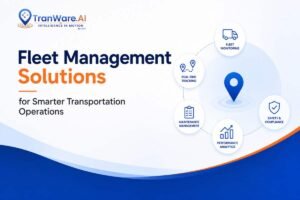
Transportation providers manage vehicles, drivers, schedules, maintenance, and customer needs every day. As fleets grow, spreadsheets and manual processes can make it harder to keep vehicles safe, available, and productive. Fleet management software gives transportation companies a centralized way to monitor vehicles, organize maintenance, track operational activity, and improve fleet performance.
For NEMT providers, transit agencies, paratransit operators, and other transportation businesses, the right technology can connect maintenance with scheduling, dispatch, vehicle information, and broader transportation operations.
Why Fleet Management Systems Matter
Modern fleet management systems help transportation companies move beyond basic vehicle records. They provide a structured way to manage preventive maintenance, service history, inspections, mileage, and vehicle availability.
A centralized system can help managers identify upcoming maintenance needs before they become major problems. This can reduce unexpected downtime and make it easier to plan service around daily transportation schedules.
For example, if a vehicle reaches a specific mileage or service interval, the system can help managers identify the maintenance requirement and schedule the work before the vehicle experiences a serious mechanical issue.
Building Better Fleet Management Solutions
Effective fleet management solutions should support the complete vehicle lifecycle. This includes vehicle acquisition, maintenance, inspections, repairs, utilization, and eventual replacement.
A reliable fleet management platform can provide a single location for important fleet information, helping managers make better decisions based on current records rather than scattered spreadsheets or paper files.
For transportation companies, useful features may include:
- Preventive maintenance scheduling
- Vehicle service history
- Mileage tracking
- Inspection management
- Repair records
- Maintenance reminders
- Vehicle availability information
- Driver and vehicle records
- Operational reporting
NEMT Fleet Maintenance Software for Reliable Service
NEMT providers have unique fleet requirements because vehicles must be available for scheduled medical transportation trips. A vehicle that unexpectedly goes out of service can affect drivers, passengers, schedules, and dispatch operations.
NEMT fleet maintenance software helps transportation providers organize vehicle maintenance and service activities while keeping fleet availability in view.
By connecting maintenance information with transportation operations, managers can better plan when vehicles should be serviced and avoid unnecessary disruption to scheduled trips.
Fleet Maintenance Management System and Tracking
A fleet maintenance management system can organize maintenance tasks and service records in a more consistent way. Instead of relying on separate documents, managers can maintain centralized vehicle information.
Fleet maintenance tracking can include:
- Scheduled maintenance
- Completed repairs
- Vehicle mileage
- Inspection results
- Parts and service records
- Maintenance history
- Upcoming service requirements
This information can help managers identify patterns and make informed decisions about vehicle replacement, maintenance costs, and fleet utilization.
GPS Tracker for Fleet Management
A GPS tracker for fleet management adds another layer of visibility. GPS technology can help transportation teams monitor vehicle locations, understand trip progress, and improve operational coordination.
When GPS tracking is connected with fleet maintenance and dispatch data, managers can gain a broader view of vehicle activity. Location and mileage information can also support better maintenance planning and fleet utilization.
Connecting Fleet Technology With Transportation Software
Fleet operations do not exist separately from scheduling and dispatch. Transportation providers need technology that connects different areas of their business.
Transport management software can bring together scheduling, dispatching, routing, fleet maintenance, billing, vehicle tracking, and reporting. For public and shared transportation providers, Transit software can help coordinate daily transportation workflows.
Modern Transit software solutions can support agencies and transportation companies as they manage growing trip volumes, vehicle requirements, and operational demands.
Likewise, Software for transport management can help organizations reduce disconnected processes and create a more centralized operational environment.
Final Thoughts
The right fleet technology can help transportation providers improve vehicle availability, organize maintenance, reduce manual work, and gain better operational visibility. From fleet management software and NEMT maintenance tools to GPS tracking and transit technology, an integrated approach can make transportation operations easier to manage.
TranWare provides fleet maintenance and transportation management capabilities designed to help NEMT, paratransit, transit, and other transportation providers manage their vehicles and daily operations more efficiently.