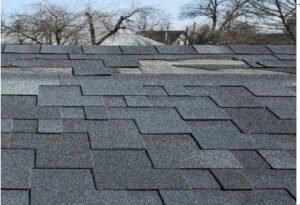
In this guest post, we will be discussing how professional roofing contractors help ventilate your house, regulate indoor temperature, manage moisture, and even safeguard your house by ensuring proper airflow.
A roof not only protects you from wind, rain, and sunlight; it also helps regulate your indoor temperatures and the circulation of fresh air inside the attic of your house. If you lack proper airflow in your roof, then you could have problems with high temperatures and moisture inside your house, thereby creating an undesirable atmosphere. Airflow will give you a healthy and efficient house.
Professional Roofing Contractors Fairfax know about the working of a ventilation system and how your roof affects the airflow. The professional roofers will help you evaluate your existing vents.
Why Is Roof Ventilation Necessary?
Roof ventilation enables fresh air to flow into the attic and simultaneously allows the escape of hot and moist air.
During the summer season, the sunlight makes attic conditions very hot. If the hot air is trapped inside, it may have an effect on the rooms beneath it, causing an increase in the strain on the cooling system. Also, during winter, the moisture formed due to domestic activities can move into the attic area.
The roof ventilation process solves these problems.
There are some advantages of this process:
- Excess heat reduction in attics.
- Managing moisture and condensation.
- Increasing longevity of the roof covering materials.
- Improvement of comfort levels inside.
- Avoiding any unnecessary stress on HVAC systems.
- Prevention of mold and mildew development.
Roofing Contractor’s Assessment of Current Ventilation
The primary factor is the analysis of the current roof structure and ventilation systems. Every house needs a certain type of ventilation system according to the dimensions of the construction, the roof design, its insulation capacity, and the climate of the area.
It is generally accepted that a professional Roofer Arlington VA starts with assessing attic airflow.
- Assessing Intake and Exhaust Vents
Every effective ventilation system should have intake and exhaust vents, where intake vents are responsible for the entrance of cool outside air and exhaust vents for allowing hot and humid air to escape.
The following are some elements that can be found in every proper ventilation system:
- Soffit vents: Usually located under the roof eaves, these elements bring cool air into the attic.
- Ridge vents: These elements are usually found on the top part of the roof, and they help release the warm air.
- Gable vents: These elements are found on the upper parts of exterior walls to allow proper air circulation.
- Roof vents: These vents get rid of the heat and moisture from the roof.
It is the task of the professional to make sure that these components are not blocked or damaged. They also ascertain whether the present configuration offers enough ventilation to the roof structure.
- Determining if There is Blocked Airflow
The presence of several vents in the roof does not necessarily imply that the airflow is completely unrestricted, since there could be other factors that would hinder the free flow of air, such as insulation, dust, dirt, or lack of adequate ventilation.
For example, the insulation present in the attic would end up hindering the free flow of air into the attic through the soffit vents. In the same way, damage to screens or accumulation of debris might render exhaust vents ineffective.
The expert Roofing Contractor Prince William County will assist you with identifying and fixing these problems.
Professional Installation and Maintenance Reasons
Besides ensuring that the vents are repaired on the roof of your property, it is equally crucial that the correct installation is carried out, or else other problems like leaks and airflow inefficiency will arise. Professional installation is necessary to ensure that the vents are installed correctly to protect the equipment from the harsh weather conditions.
Maintenance is equally important in this process. Property owners need to think about having their system inspected for:
- Cracked or improperly fitting vent covers.
- Soffit vents blocked by debris.
- Debris in the roof ventilation.
- Condensation in the attic space.
- Damage to seals around the roof penetrations.
Solving small problems can save property owners from future issues with their roofs.
Conclusion
Ventilation of the roof is one of those factors for roof maintenance that should never be overlooked if you want to provide comfort, durability, and efficiency to your house. Ventilation of the roof helps to maintain appropriate temperature and moisture levels in the attic, along with avoiding damage to roof parts.
To choose a proper ventilation system for your roof, you should consult professional roofers who will inspect the ventilation systems and find out what kind of improvements could be made.
FAQs
- Why should we install roof ventilation?
The ventilation of the roof will allow us to get rid of the moisture and heat from the attic, as well as improve indoor comfort and roof conditions.
- What roof vents are most popular?
The most popular types of roof vents are the following: soffit, ridge, gable, and roof exhaust vents.
- Will ventilation help to reduce energy expenses?
Yes, as it will reduce the need for cooling due to no overheating in the attic.
- What are the signs of poor attic ventilation?
Poor attic ventilation will show itself in overheating of the attic, condensation, a mold smell, and even mold presence.
- Are the roofing contractors able to increase the ventilation?
Yes, they can examine your current ventilation system and offer additional ventilation for your roof design.
- How often is it necessary to perform roof ventilation inspection?
It is recommended that this service is included into your roof inspection routine.