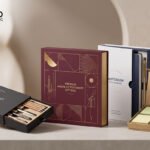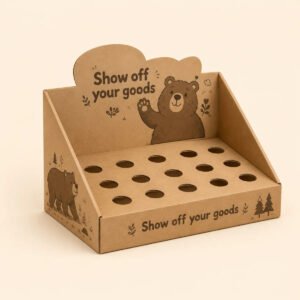
Product presentation can strongly influence how customers perceive a brand and its products. Before customers use a product, they often interact with its packaging first. A well-designed package can communicate quality, professionalism, and attention to detail, while poorly designed packaging may create a less favorable impression.
Custom boxes allow businesses to create packaging specifically around their products, brand identity, target audience, and sales channels. Instead of relying on generic packaging, companies can control the box size, material, printing, structure, colors, inserts, and finishing details.
Effective custom packaging does more than make a product look attractive. It can organize the product, protect it during handling, create a memorable unboxing experience, and reinforce brand recognition.
This guide explores how custom boxes improve product presentation and why businesses across retail, eCommerce, cosmetics, food, electronics, gifts, and other industries use customized packaging to create stronger customer experiences.
What Are Custom Boxes?
Custom boxes are packaging containers designed according to specific product and branding requirements.
Businesses can customize:
- Box dimensions
- Materials
- Shapes
- Colors
- Printing
- Inserts
- Closures
- Finishing techniques
- Interior designs
Popular custom box styles include:
- Tuck boxes
- Mailer boxes
- Rigid boxes
- Sleeve boxes
- Folding cartons
- Window boxes
- Drawer boxes
- Magnetic closure boxes
- Two-piece boxes
The appropriate structure depends on the product and desired presentation.
Why Product Presentation Matters
Customers form impressions quickly.
Packaging can influence perceptions of:
- Product quality
- Brand credibility
- Value
- Professionalism
- Attention to detail
A thoughtfully designed box can make the product feel more intentional and complete.
This is particularly important for products sold as gifts or premium items, where presentation can be a major part of the purchasing experience.
Custom Boxes Create a Professional First Impression
The packaging is often the first physical representation of a brand customers see.
A professionally designed custom box can communicate:
- Reliability
- Quality
- Consistency
- Sophistication
- Brand personality
Even a simple box can look professional when the typography, logo placement, colors, and information hierarchy are carefully planned.
Improve Brand Recognition
Custom packaging provides a consistent visual identity.
Brands can incorporate:
- Logos
- Brand colors
- Typography
- Patterns
- Taglines
- Illustrations
- Product photography
When customers repeatedly see these elements, they can become more familiar with the brand.
Consistent packaging across different products can also create a unified product range.
Make Products Look More Premium
Packaging can contribute to perceived product value.
Premium presentation can be achieved through:
- Rigid construction
- High-quality paperboard
- Minimalist layouts
- Matte finishes
- Soft-touch coatings
- Foil stamping
- Embossing
- Debossing
The goal is not to use every premium feature. A few well-selected elements can often produce a stronger result.
Use Custom Colors to Strengthen Visual Identity
Color is an important part of packaging design.
Brands can use their established colors to make products recognizable while introducing accent colors for different product variants.
For example:
- Blue for one product category
- Green for another
- Gold for premium editions
- Seasonal colors for limited collections
A consistent color system can make an entire product line look more organized.
Improve Product Organization
Custom boxes can be designed around the product and its accessories.
Internal compartments and inserts can separate:
- Main products
- Accessories
- Manuals
- Cables
- Samples
- Promotional materials
This improves presentation when the box is opened and helps prevent components from becoming disorganized.
Custom Inserts Enhance Presentation
A product placed loosely inside a box may appear less polished.
Custom inserts can position the product precisely.
Options include:
- Cardboard inserts
- Foam inserts
- Molded pulp
- Corrugated dividers
- Paperboard trays
An insert can also create dedicated spaces for accessories and additional materials.
Improve the Unboxing Experience
The opening process can influence how customers remember a purchase.
Custom boxes can include:
- Printed interiors
- Pull tabs
- Ribbons
- Magnetic closures
- Layered inserts
- Thank-you messages
- Branded tissue paper
A thoughtful opening sequence can turn packaging into part of the product experience.
Make Packaging Suitable for Gifting
Gift products require strong presentation.
Custom boxes can make products more gift-ready by including:
- Decorative designs
- Premium finishes
- Ribbons
- Custom inserts
- Seasonal artwork
- Personalized messages
Customers may be more likely to purchase a product as a gift when the packaging already looks presentable.
Improve Retail Shelf Appeal
Retail products compete for attention with numerous other products.
Custom boxes can stand out through:
- Unique shapes
- Strong branding
- Color contrast
- Product images
- Window cutouts
- Specialty finishes
A clear front-facing design can help customers identify the product quickly.
Use Window Boxes for Product Visibility
A transparent window can allow customers to see the actual product before purchasing.
This can be useful for:
- Food
- Cosmetics
- Toys
- Gifts
- Accessories
- Specialty products
A window should be positioned strategically so that it highlights the most appealing part of the product.
Use High-Quality Printing
Printing quality affects how professional packaging looks.
Common printing methods include:
Digital Printing
Useful for smaller production runs, customized designs, and variable artwork.
Offset Printing
Suitable for larger quantities requiring detailed and consistent print quality.
Flexographic Printing
Often used for certain corrugated packaging applications.
The best printing process depends on material, order quantity, artwork, and budget.
Add Finishing Techniques
Finishing can provide additional visual and tactile appeal.
Popular options include:
- Embossing
- Debossing
- Foil stamping
- Spot UV
- Matte lamination
- Gloss coating
- Soft-touch coating
For example, a matte box with a subtle foil logo can create a sophisticated appearance.
Use Interior Printing
The inside of a box offers another branding opportunity.
Brands can print:
- Messages
- Instructions
- Product stories
- Patterns
- Thank-you notes
- QR codes
Interior printing can make the unboxing experience feel more complete.
Improve eCommerce Presentation
For online businesses, packaging becomes especially important because customers cannot physically interact with the product before purchasing.
A branded box can help bridge that gap.
Businesses can use packaging to communicate:
- Brand identity
- Product information
- Care instructions
- Thank-you messages
- Website information
- Social media details
The delivery itself becomes a branded customer touchpoint.
Protect Products While Improving Presentation
Presentation and protection should work together.
Custom boxes can be designed with:
- Strong materials
- Protective inserts
- Dividers
- Secure closures
- Appropriate cushioning
A beautiful package loses value if the product arrives damaged.
Choose Materials Based on Product Positioning
Different materials communicate different impressions.
Kraft
Creates a natural and often minimalist appearance.
Paperboard
Provides flexibility for printed retail packaging.
Corrugated Cardboard
Offers strength for shipping applications.
Rigid Board
Creates a sturdy and premium presentation.
The best material should balance aesthetics, protection, cost, and sustainability.
Use Sustainable Packaging to Improve Brand Perception
Many brands are considering packaging waste when developing their packaging strategies.
Potential options include:
- Recyclable paperboard
- Recycled-content materials
- Kraft board
- Molded pulp
- Paper-based inserts
- Right-sized boxes
Using unnecessary materials can increase waste without improving the customer experience.
Sustainability claims should accurately reflect the actual materials and disposal conditions.
Design Custom Boxes Around the Product
One major advantage of custom packaging is precise sizing.
A properly sized box can:
- Reduce empty space
- Improve product positioning
- Reduce movement
- Improve visual presentation
- Optimize storage
- Potentially improve shipping efficiency
Accurate product measurements should be taken before finalizing the packaging dimensions.
Create Packaging That Matches Your Target Audience
Packaging should reflect customer expectations.
For example:
Luxury Customers
May respond well to rigid structures and sophisticated finishing.
Eco-Conscious Customers
May prefer recyclable, paper-based packaging.
Younger Consumers
May respond to bold graphics, unusual structures, or playful designs.
Corporate Buyers
May prefer professional and minimalist presentation.
Understanding the target audience can help guide design decisions.
Common Custom Box Design Mistakes
Avoid:
- Too much information
- Poor typography
- Weak color contrast
- Low-quality printing
- Excessive decorative elements
- Oversized boxes
- Inadequate inserts
- Unnecessary packaging layers
- Inconsistent branding
- Difficult opening mechanisms
Good packaging should be attractive without becoming confusing or impractical.
Frequently Asked Questions
How do custom boxes improve product presentation?
They allow businesses to control the box’s size, structure, materials, colors, graphics, inserts, and finishes, creating a presentation specifically designed around the product and brand.
Can custom boxes make products look more expensive?
Yes. Premium materials, clean design, rigid structures, and carefully selected finishing techniques can contribute to a more sophisticated product presentation.
Are custom boxes useful for eCommerce?
Yes. Branded packaging can make deliveries more memorable and create an additional customer touchpoint.
Do custom inserts improve product presentation?
Yes. Inserts can position the product neatly and provide dedicated spaces for accessories, creating a more organized appearance.
Can custom boxes improve brand recognition?
Yes. Consistent use of logos, colors, typography, graphics, and other brand elements can make packaging more recognizable.
What materials are commonly used for custom boxes?
Paperboard, corrugated cardboard, kraft board, and rigid board are among the commonly used materials. The right choice depends on product requirements and packaging goals.
Are custom boxes environmentally friendly?
They can be. Recyclable materials, recycled-content board, molded pulp, paper-based inserts, and right-sized packaging can support more sustainable packaging strategies.
What printing methods can be used?
Digital, offset, and flexographic printing are among the options available, depending on the material, packaging type, order quantity, and artwork.
How can I make my custom boxes look premium?
Focus on high-quality materials, clean typography, consistent branding, precise construction, and one or two suitable finishing techniques rather than adding excessive decoration.
How do I choose a custom box manufacturer?
Look for a manufacturer that offers structural customization, suitable materials, professional printing, inserts, finishing options, quality control, and packaging solutions suited to your product and budget.
Conclusion
Custom boxes improve product presentation by giving businesses control over nearly every aspect of the packaging experience. From box dimensions and materials to printing, colors, inserts, finishes, and interior graphics, customization allows packaging to be designed around both the product and the brand.
A well-designed custom box can create a stronger first impression, improve product organization, support retail shelf appeal, strengthen brand recognition, and make eCommerce deliveries more memorable. At the same time, the right structure and protective features can help ensure that attractive presentation does not come at the expense of product safety.
The most effective packaging combines visual appeal, functionality, protection, branding, and sustainability. By understanding your product, target audience, distribution requirements, and brand identity, you can create custom boxes that make your products look more professional while delivering a better overall customer experience.