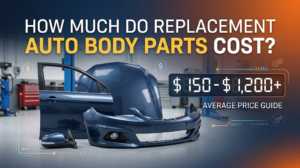
Car accidents, parking-lot mishaps, hail, rust, and everyday wear can all leave your vehicle needing a replacement body part. Whether it’s a damaged bumper, dented door, cracked fender, or broken mirror, one of the first questions most vehicle owners ask is: How much will the replacement part cost?
The answer depends on several factors, including the type of vehicle, the part being replaced, its material, brand, availability, and the amount of labor required to install and finish it. If you’re searching for an Auto body shop Calgary, understanding these costs beforehand can make it easier to compare estimates and decide what repair approach makes sense for your vehicle.
The good news is that you don’t always have to replace an expensive part simply because it looks badly damaged. In some cases, a skilled technician can repair the existing component, while in other situations, replacement is safer, faster, or more cost-effective. Knowing the difference can help you avoid unnecessary expenses.
What Is the Average Cost of Replacement Auto Body Parts?
There isn’t one fixed price for replacement auto body parts because every vehicle and repair situation is different. As a general guide, here are some common replacement parts and approximate part-only price ranges:
|
Auto Body Part |
Typical Part Cost |
|
Bumper cover |
$200–$1,000+ |
|
Fender |
$150–$700+ |
|
Car door |
$500–$2,000+ |
|
Hood |
$400–$1,500+ |
|
Trunk lid |
$400–$1,500+ |
|
Side mirror |
$150–$1,000+ |
|
Grille |
$100–$800+ |
|
Headlight assembly |
$200–$2,000+ |
|
Tail light assembly |
$100–$800+ |
|
Quarter panel |
$500–$2,500+ |
These are broad estimates rather than guaranteed prices. Luxury vehicles, newer models, electric vehicles, and cars equipped with advanced driver-assistance systems can have significantly higher parts costs.
More importantly, the price listed for the part isn’t necessarily the final repair bill. Painting, installation, removal of damaged components, calibration, and other associated work can add considerably to the total.
What Determines the Cost of Auto Body Parts?
Several factors influence how much you’ll pay for a replacement part. Understanding them can help you make sense of a repair estimate.
1. Your Vehicle’s Make and Model
Parts for common vehicles are generally easier to find and may cost less because manufacturers and aftermarket suppliers produce them in larger quantities.
On the other hand, replacement parts for luxury, imported, discontinued, or limited-production vehicles can be considerably more expensive.
For example, a bumper cover for a popular mainstream sedan may be relatively affordable, while a bumper equipped with parking sensors, cameras, or other technology may cost substantially more.
2. OEM vs. Aftermarket Parts
One of the biggest differences in replacement-part pricing comes down to where the part comes from.
OEM parts, or Original Equipment Manufacturer parts, are made by the vehicle manufacturer or according to its specifications. They are designed specifically for that vehicle and are typically more expensive.
Aftermarket parts are produced by independent manufacturers. Their prices can be lower, although quality and fit can vary between suppliers.
There are also recycled or used parts, which may provide another cost-saving option. A reputable repair facility can help determine whether a used component is appropriate for your vehicle and repair.
The cheapest option isn’t automatically the best choice. Fit, durability, warranty coverage, appearance, and availability should all be considered.
3. The Material of the Part
The material used to manufacture a body panel can also affect its price.
Many modern vehicles use lightweight materials such as aluminum, while others rely heavily on steel or composite plastics. Aluminum components can require specialized repair techniques and equipment.
A replacement bumper cover, for instance, is typically made from plastic, while a hood or door may be made from steel or aluminum. The material affects not only the purchase price but potentially the labor required to install and finish the component.
4. Paint and Color Matching
A replacement body part often arrives unpainted or with a finish that doesn’t match your vehicle.
That means the replacement may need to be:
- Primed
- Color-matched
- Painted
- Clear-coated
- Dried or cured
- Blended into adjacent panels
Paint matching is particularly important for metallic, pearl, or specialized factory finishes. Even a small difference in color can be noticeable when the vehicle is viewed in sunlight.
For this reason, a $300 replacement fender can turn into a much larger repair bill once preparation and refinishing are included.
How Much Does Labor Add to the Cost?
Parts are only one part of the equation. Labor can account for a significant portion of an auto body repair bill.
Replacing a bolt-on fender may be relatively straightforward. However, replacing a quarter panel can involve substantially more work because technicians may need to remove damaged metal, cut and weld sections, prepare the surface, refinish the area, and reassemble surrounding components.
Labor costs can include:
- Removing the damaged part
- Installing the replacement
- Preparing surfaces
- Painting and refinishing
- Reassembling trim and components
- Testing electrical systems
- Aligning panels
- Calibrating sensors or cameras
The complexity of the repair is often more important than the physical size of the part.
Repair vs. Replacement: Which Costs Less?
Replacing a damaged part isn’t always necessary.
A dented fender, for example, might be repairable if the metal isn’t excessively stretched or torn. Paintless dent repair may also be possible for certain dents when the paint remains intact and the technician can access the damaged area.
Repairing an existing part can sometimes cost less than purchasing, painting, and installing a new one.
However, replacement may be the better option when the component is:
- Severely crushed
- Cracked or split
- Structurally compromised
- Rusted through
- Missing sections
- Difficult or uneconomical to repair
A professional assessment is useful because appearance alone doesn’t always tell you whether a part can safely be repaired.
Why Modern Vehicles Can Cost More to Repair
Today’s vehicles contain far more technology than older cars. A body panel may now incorporate sensors, cameras, radar equipment, lighting systems, wiring, or other electronic components.
For example, replacing a bumper on a newer vehicle might involve more than simply removing the old cover and installing a new one. Parking sensors or cameras may need to be transferred, tested, or recalibrated.
Advanced driver-assistance systems can also require specialized calibration following certain repairs.
This is one reason two vehicles with seemingly similar bumper damage can have very different repair costs.
Does Insurance Cover Replacement Body Parts?
If your vehicle was damaged in an accident, insurance may cover some or all of the repair depending on your policy, deductible, coverage, and the circumstances surrounding the damage.
Before authorizing major work, check your policy and understand what your deductible and coverage limits are.
If an insurance claim is involved, the insurer may also have specific procedures for estimates, approved repair facilities, replacement parts, and supplemental damage.
It’s worth asking for a detailed estimate so you can see exactly what you’re paying for rather than focusing only on the final number.
How to Save Money on Replacement Auto Body Parts
A major body repair doesn’t necessarily mean you have to spend as much as possible. There are several practical ways to control costs without compromising safety.
Compare Detailed Estimates
Get estimates that clearly separate parts, labor, paint, materials, and additional procedures. Comparing itemized estimates is much more useful than comparing two final totals.
Ask About Different Part Options
Ask whether OEM, aftermarket, or recycled parts are available and appropriate for your vehicle. Make sure you understand the differences in warranty, fit, appearance, and durability before choosing.
Don’t Ignore Small Damage
A cracked bumper, loose trim piece, or damaged panel can become more problematic if left untreated. Getting an assessment early may prevent additional damage and higher repair costs.
Consider Repairing Instead of Replacing
If a panel can be safely repaired, ask about that option. Depending on the damage, repair may eliminate the cost of purchasing a replacement component.
Choose Quality Over the Lowest Price
An unusually low estimate deserves a closer look. Find out what type of parts are being used, whether painting is included, and whether there are additional charges that could appear later.
A quality repair should restore both the appearance and function of the vehicle rather than simply making the damage less noticeable.
What Should You Ask Before Approving a Repair?
Before work begins, ask the repair facility a few straightforward questions:
- Is the existing part repairable?
- Is the replacement OEM, aftermarket, or recycled?
- Does the quoted price include painting?
- Are labor and materials included?
- Will sensors or cameras need calibration?
- Does the part or repair have a warranty?
- Could additional damage be discovered after disassembly?
- What is the estimated completion time?
Getting clear answers can prevent unpleasant surprises when the final invoice arrives.
Final Thoughts
The cost of replacement auto body parts can range from a relatively modest amount for a simple exterior component to several thousand dollars for larger panels or technology-equipped parts. The final price depends on the vehicle, type and quality of the replacement part, labor, paint work, and any additional calibration or repair required.
Rather than choosing a repair based solely on the lowest price, focus on getting a clear, itemized estimate and understanding exactly what is included. A reputable repair professional can also explain whether repairing the original part or replacing it makes more financial and practical sense.
If you’re dealing with collision damage or need help understanding your repair options, Calgary Autobodyrepairs can be a useful starting point for getting the damage assessed and understanding what may be involved in restoring your vehicle.