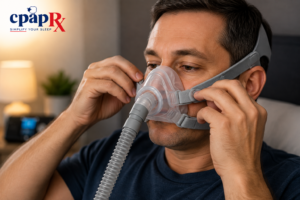
Choosing a sleep apnea solution can feel overwhelming, especially when you’re bombarded with machines, mask styles, and technical specs before you even understand what your body actually needs. But treatment doesn’t have to be complicated — it just has to be personalized.
The Real Cost of an Untreated Sleep Apnea
Sleep apnea isn’t just about feeling tired. Left untreated, it’s linked to high blood pressure, heart strain, memory issues, and a general decline in quality of life. Over time, the constant disruption to your breathing during sleep can also affect blood oxygen levels, put extra strain on the heart, and make everyday tasks feel far more exhausting than they should. According to sleep health researchers, millions of adults live with undiagnosed obstructive sleep apnea, unaware that their exhaustion, irritability, and brain fog are connected to something treatable.
The good news is that once diagnosed, sleep apnea responds extremely well to treatment — provided the approach fits the person.
Why One-Size-Fits-All Equipment Doesn’t Work
Many people assume that buying any CPAP machine will solve the problem. In reality, sleep apnea equipment needs to match an individual’s breathing pattern, facial structure, and sleep position. A mask that works well for a back-sleeper might feel unbearable for someone who sleeps on their side. Pressure settings that suit one person may be too strong or too weak for another, sometimes leading to dryness, bloating, or a sense of air hunger that makes people give up before their body has even adjusted.
This is why guesswork rarely leads to long-term success. Without proper fitting and follow-up, most people struggle within the first few weeks of therapy and eventually stop using their equipment altogether — not because CPAP therapy doesn’t work, but because the setup wasn’t right for them in the first place.
Building a Sleep Apnea Solution Around the Person, Not the Product
An effective sleep apnea solution starts with understanding the individual, not simply handing over a machine. This means:
- A proper assessment of symptoms and severity
- Mask trials to determine the most comfortable, effective fit
- Pressure calibration based on real usage data
- Continued check-ins to adjust as needed over time
- Clear education on cleaning, maintenance, and equipment care
This is the model CPAP Rx follows. Rather than treating CPAP therapy as a one-time transaction, every patient works with a sleep coach who provides continued support — helping identify discomfort early, making adjustments, and ensuring therapy becomes sustainable long-term rather than something abandoned after a rough first week.
The Difference Ongoing Support Makes
Patients who receive continued guidance are far more likely to stick with therapy and experience the full benefits — better sleep, more energy, and reduced long-term health risks. Ongoing support isn’t a luxury add-on; it’s often the deciding factor between success and abandoned treatment. A single adjustment to mask fit or pressure setting can be the difference between someone quitting after two weeks and someone finally sleeping through the night without interruption.
This kind of continued relationship also means smaller issues get caught early. A minor leak or slight discomfort that might otherwise cause someone to quit can instead be resolved quickly with the right guidance, keeping therapy on track before frustration builds up.
Where to Start
If you’re searching for a sleep apnea solution that goes beyond a basic equipment purchase, look for a provider that prioritizes personalized fitting and long-term coaching. CPAP Rx offers exactly that — helping patients not just start therapy, but actually stay consistent with it long enough to feel the real, lasting benefits of proper treatment.
Explore personalized CPAP therapy options at cpaprx.