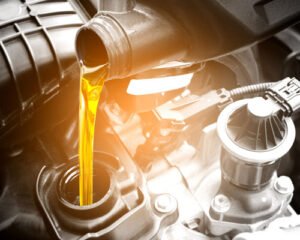
Vehicles with high mileage require more attention than newer models because years of driving naturally increase wear on engine components, transmission systems, and moving parts. Proper maintenance is essential to keep these vehicles performing efficiently and to avoid costly repairs. One of the most important maintenance decisions is selecting the right automotive lubricants. The correct lubricant helps reduce friction, minimizes engine wear, supports smooth operation, and extends the lifespan of critical components. Choosing the wrong lubricant, on the other hand, can lead to poor performance, increased fuel consumption, and expensive mechanical issues.
This guide explains how to choose the right lubricants for high mileage vehicles and what factors every vehicle owner should consider before making a purchase.
Why High Mileage Vehicles Need Special Lubrication
As vehicles accumulate more kilometers, internal engine parts experience gradual wear. Rubber seals may begin to harden, piston rings can lose efficiency, and tiny clearances between moving parts become larger than when the vehicle was new. These changes increase the need for effective lubrication.
High mileage vehicles often require lubricants that provide stronger protection against wear while maintaining proper oil pressure. A quality lubricant creates a protective layer between moving parts, helping reduce metal to metal contact even under demanding driving conditions.
Drivers who frequently travel long distances or operate vehicles in hot climates should pay even closer attention to lubricant quality because elevated temperatures place additional stress on engines.
Understand Your Vehicle’s Requirements
Before selecting any lubricant, always begin with the manufacturer’s recommendations. Every vehicle is designed to operate with specific lubricant grades and performance standards.
Check your owner’s manual for information about:
Recommended Viscosity
Viscosity refers to how easily the lubricant flows at different temperatures. Selecting the correct viscosity ensures the lubricant reaches engine components quickly during startup while maintaining sufficient protection at high operating temperatures.
Performance Specifications
Manufacturers often specify industry standards that lubricants must meet. Following these recommendations ensures compatibility with your engine design.
Climate Considerations
Vehicles operating in hotter regions generally require lubricants that maintain stability under high temperatures. Climate plays an important role in lubricant selection.
Look for High Mileage Formulations
Many lubricant manufacturers produce oils specifically designed for vehicles with higher mileage.
These formulations typically contain additives that help:
- Reduce engine wear
- Protect aging seals
- Minimize oil consumption
- Reduce sludge formation
- Improve engine cleanliness
Although these lubricants are formulated for older engines, they should still match the manufacturer’s viscosity recommendations.
Consider Driving Conditions
Not every high mileage vehicle experiences the same type of use.
City Driving
Frequent stops, traffic congestion, and repeated acceleration increase engine stress. Lubricants with excellent oxidation resistance perform well under these conditions.
Highway Driving
Long highway journeys expose engines to sustained operating temperatures. Stable lubricants that resist breakdown help maintain consistent performance.
Heavy Loads
Vehicles used for towing or carrying heavy loads require lubricants capable of maintaining a protective film under increased pressure.
Understanding your driving habits helps narrow the most suitable lubricant choice.
Choose the Right Base Oil
Lubricants generally fall into three categories.
Mineral Oil
Mineral oils are suitable for older engines with moderate usage. They usually require more frequent replacement.
Semi Synthetic Oil
Semi synthetic lubricants combine mineral and synthetic oils to provide improved protection, better temperature stability, and longer service intervals.
Fully Synthetic Oil
Synthetic lubricants offer superior resistance to heat, oxidation, and wear. Many high mileage vehicles benefit from synthetic oils, especially when driven in challenging environments.
Selecting the appropriate base oil depends on your vehicle’s condition, driving habits, and maintenance schedule.
Pay Attention to Additive Packages
Modern lubricants contain carefully balanced additives that improve performance beyond basic lubrication.
Important additives include:
Anti Wear Additives
These protect metal surfaces during periods of heavy engine load.
Detergents
Detergents help keep internal engine parts clean by preventing deposits.
Dispersants
Dispersants suspend contaminants so they can be removed during oil changes.
Corrosion Inhibitors
These additives protect internal components from moisture related corrosion.
A high quality additive package contributes significantly to engine longevity.
Monitor Oil Consumption
Older vehicles sometimes consume more oil because of worn piston rings or valve seals.
When choosing lubricants, consider products designed to reduce evaporation and oil burn off. These formulations help maintain proper oil levels between scheduled maintenance intervals.
However, excessive oil consumption may indicate mechanical issues that should be inspected by a qualified technician.
Regular Oil Changes Matter
Even the highest quality lubricant eventually degrades.
Contaminants, heat, and oxidation reduce lubricant effectiveness over time. Regular oil changes remove accumulated dirt and restore full protection.
Always replace the oil filter during scheduled maintenance since a clogged filter limits oil circulation and reduces overall engine protection.
Consistent maintenance remains more important than simply choosing premium products.
Transmission and Differential Lubrication
Engine oil is only one part of vehicle lubrication.
High mileage vehicles also require attention to:
Transmission Fluids
Automatic and manual transmissions rely on specialized fluids for cooling and smooth gear changes.
Differential Oils
Differentials experience significant mechanical stress, particularly in rear wheel drive and four wheel drive vehicles.
Replacing these lubricants according to recommended service intervals improves overall drivetrain reliability.
Protect Other Moving Components
Many moving parts outside the engine also require proper lubrication.
Door hinges, suspension components, steering joints, wheel bearings, and universal joints benefit from regular maintenance.
Using grease in Abu Dhabi suitable for high temperature environments helps protect these components from moisture, dust, and continuous movement. Proper lubrication reduces squeaks, prevents premature wear, and extends service life.
Routine inspections allow technicians to identify areas requiring fresh grease before problems develop.
Avoid Mixing Different Lubricants
Mixing lubricants from different formulations may reduce performance.
Different additive packages are not always compatible. Whenever possible:
- Use the same viscosity grade.
- Follow manufacturer recommendations.
- Replace old lubricant completely during service.
- Avoid unnecessary mixing unless recommended by the manufacturer.
Consistency supports better engine performance.
Watch for Warning Signs
Your vehicle may indicate that lubrication needs attention.
Common warning signs include:
Increased Engine Noise
Louder engine operation may indicate insufficient lubrication.
Reduced Fuel Efficiency
Poor lubrication increases internal friction, causing higher fuel consumption.
Oil Warning Light
Never ignore dashboard oil pressure warnings.
Visible Oil Leaks
Leaks reduce lubrication levels and should be repaired promptly.
Addressing these symptoms early can prevent serious engine damage.
Maintenance Habits That Extend Engine Life
Choosing the right lubricant is only one part of maintaining a high mileage vehicle.
Good maintenance practices include:
- Checking oil levels regularly.
- Replacing filters on schedule.
- Inspecting for leaks.
- Monitoring coolant levels.
- Following recommended service intervals.
- Using quality replacement parts.
These simple habits significantly improve long term vehicle reliability.
Common Mistakes to Avoid
Many vehicle owners unintentionally reduce engine life through poor lubrication decisions.
Some common mistakes include:
- Ignoring viscosity recommendations.
- Delaying oil changes.
- Purchasing low quality products based only on price.
- Forgetting transmission maintenance.
- Overlooking lubrication of chassis components.
- Ignoring small oil leaks.
Avoiding these mistakes helps maintain dependable vehicle performance for many years.
Final Thought
High mileage vehicles can continue delivering reliable performance when maintained correctly. Selecting the right automotive lubricants involves understanding your vehicle’s requirements, driving conditions, lubricant specifications, and maintenance schedule. Paying attention to engine oil, transmission fluids, and grease in abu dhabi applications helps protect every major moving component from unnecessary wear.
Rather than focusing only on engine age, consider the vehicle’s overall condition and follow manufacturer recommendations whenever possible. With consistent maintenance, timely lubricant replacement, and informed product selection, even older vehicles can remain efficient, dependable, and ready for many more kilometers on the road.