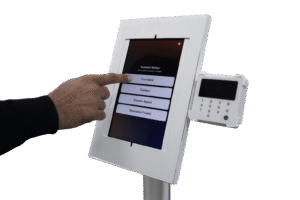
Tap to donate is transforming the way charities, nonprofits, churches, community organizations, and fundraising teams collect contributions. By allowing supporters to make a donation using a contactless card, smartphone, or wearable device, tap-to-donate technology removes many of the barriers associated with traditional cash fundraising.
As digital payments continue to become part of everyday life, contactless giving offers charities a convenient way to accept donations wherever supporters are—at events, places of worship, visitor attractions, retail locations, and community spaces.
What Is Tap to Donate?
Tap to donate is a contactless fundraising solution that enables people to make a charitable contribution by tapping a compatible payment card, smartphone, or wearable device on a donation terminal or contactless giving device.
Instead of searching for cash, scanning complicated forms, or navigating a lengthy online donation page, supporters can make a contribution within seconds.
A typical tap-to-donate experience involves:
- The donor approaches a donation point.
- A preset donation amount is displayed.
- The donor selects or confirms the amount.
- They tap their contactless card or mobile device.
- The payment is processed securely.
- The charity receives the donation through its payment system.
This simple experience makes contactless donations particularly useful in high-footfall environments.
Why Is Tap to Donate Becoming More Popular?
The growth of contactless payments has changed consumer expectations. People increasingly use cards, smartphones, and wearable devices for everyday purchases, so they expect charitable giving to be just as convenient.
For charities, this creates an opportunity to modernize fundraising without making the process complicated for donors.
Key reasons for the growing adoption of tap-to-donate technology include:
- Speed: Donations can be completed in seconds.
- Convenience: Donors do not need to carry cash.
- Contactless experience: Supporters can donate without handling cash or coins.
- Accessibility: Donation points can be positioned where people naturally interact with an organization.
- Impulse giving: A quick donation process can encourage spontaneous contributions.
- Modern fundraising: Digital donation technology supports a charity’s broader cashless strategy.
How Does a Tap-to-Donate Donation Work?
The exact process depends on the donation terminal and payment provider, but the basic concept is straightforward.
A charity places a contactless donation terminal in a suitable location. The device displays suggested donation amounts, such as £3, £5, or £10. A supporter chooses an amount and taps their contactless payment method.
The transaction is then processed through the relevant payment infrastructure.
Some advanced donation solutions can provide additional functionality, including donation analytics, campaign reporting, customizable amounts, and integration with wider fundraising systems.
This makes tap to donate more than simply a payment method—it can become part of a charity’s digital fundraising strategy.
Benefits of Tap to Donate for Charities
1. Makes Giving Easier
One of the biggest advantages is simplicity. The fewer steps required to donate, the easier it is for supporters to complete a contribution.
A supporter does not necessarily need to open a website, complete a form, or enter payment details. A quick contactless interaction can be enough.
2. Supports Cashless Fundraising
As society moves toward cashless payments, charities need alternatives to traditional collection boxes. A contactless donation box or digital donation terminal can provide a modern alternative.
This can be especially valuable in locations where supporters are unlikely to carry coins or banknotes.
3. Encourages Impulse Donations
People may want to support a cause when they see a fundraising message but may not have cash available. A visible donation terminal gives them an immediate way to act.
Reducing friction between inspiration and donation can help charities capture more spontaneous giving opportunities.
4. Creates Flexible Fundraising Opportunities
Tap-to-donate devices can potentially be used across different environments, including:
- Charity events
- Churches and places of worship
- Museums and attractions
- Community centers
- Retail environments
- Fundraising campaigns
- Conferences
- Festivals
- Volunteer events
This flexibility allows organizations to experiment with different fundraising locations.
5. Provides a Modern Donor Experience
A professional digital donation point can demonstrate that an organization is keeping pace with changing payment habits.
For younger and digitally oriented audiences, contactless giving may feel more familiar than traditional cash collection.
Tap to Donate vs. Traditional Donation Boxes
Traditional collection boxes have played an important role in charitable fundraising for decades. However, they depend heavily on donors having physical cash.
A digital donation box addresses this limitation by allowing contactless payments.
| Feature | Traditional Donation Box | Tap-to-Donate Solution |
|---|---|---|
| Cash required | Usually | No |
| Contactless payment | No | Yes |
| Donation speed | Moderate | Very fast |
| Digital payment | No | Yes |
| Suitable for cashless environments | Limited | Yes |
| Donation amount options | Usually flexible | Can be preset/customized |
| Digital reporting | Limited | Often available |
The two approaches do not necessarily need to compete. Some charities can use both traditional and digital fundraising methods to accommodate different donor preferences.
How Charities Can Use Tap to Donate Effectively
Simply installing a donation terminal is not enough. The surrounding fundraising experience can influence results.
Use Clear Calls to Action
A donor should immediately understand what the device is for. Simple messaging such as “Tap to Donate”, “Support Our Cause”, or “Make a Difference Today” can make the purpose clear.
Explain the Impact
Instead of focusing only on the payment process, explain what a donation can achieve.
For example:
“Tap £5 to help provide essential supplies.”
Impact-focused messaging can help supporters understand why their contribution matters.
Place Donation Points Strategically
Position contactless donation devices in locations with strong visibility and natural foot traffic.
Offer Suggested Donation Amounts
Preset options can make the decision easier. Charities can test different amounts to determine which options work best for their audience and location.
Track Performance
Where the technology supports reporting, charities should monitor donation activity and identify which locations, campaigns, and messages generate stronger results.
Is Tap to Donate Secure?
Contactless payment technology is designed to process payments through established payment networks and security systems. However, charities should carefully evaluate the payment provider and donation technology before deployment.
Important considerations include:
- Payment security
- Data protection
- Payment processing compliance
- Device security
- Transaction reporting
- Refund procedures
- Support and maintenance
- Integration capabilities
Organizations should select a reputable provider and clearly understand how donor and transaction information is handled.
The Future of Contactless Giving
The future of fundraising is increasingly digital. As contactless payments, mobile wallets, and digital financial services become more common, charities have an opportunity to make giving more convenient.
Tap to donate is particularly relevant because it combines a familiar payment behavior with charitable giving. Instead of asking supporters to learn a new process, it brings donations closer to the payment experiences they already use.
Future contactless fundraising solutions may also become more integrated with campaign analytics, digital engagement, donor communication, and multi-channel fundraising strategies.
For charities looking to modernize their fundraising infrastructure, contactless donation technology can be an important part of that transition.
Frequently Asked Questions About Tap to Donate
What is tap to donate?
Tap to donate is a contactless fundraising method that allows supporters to make charitable contributions by tapping a compatible payment card, smartphone, or wearable device on a donation terminal.
How does tap to donate work?
A donor selects or confirms a donation amount and taps their contactless payment method on a compatible donation device. The payment is then processed through the relevant payment system.
Do donors need cash to use tap to donate?
No. Tap-to-donate solutions are designed for contactless and cashless payments, so donors generally do not need physical cash.
Can charities use tap-to-donate devices at events?
Yes. Depending on the provider and device, contactless donation terminals can be used at charity events, fundraising campaigns, community activities, places of worship, attractions, and other suitable locations.
Is tap to donate better than a traditional charity box?
It depends on the audience and location. Traditional charity boxes can still accept cash, while tap-to-donate technology provides an option for supporters who prefer cards or mobile payments. Using both methods can help charities reach different donor preferences.
Can tap to donate increase charitable giving?
It can help reduce friction by making donations faster and more convenient. Actual results depend on factors such as location, campaign messaging, suggested donation amounts, visibility, and donor engagement.
What is a contactless donation box?
A contactless donation box is a digital fundraising device that allows supporters to contribute using contactless payment methods instead of placing physical cash into a collection box.
What are some alternatives to tap to donate?
Other digital fundraising methods include QR-code donations, online donation forms, mobile fundraising, donation kiosks, text-to-donate campaigns, and digital payment links.
Is tap to donate suitable for small charities?
Yes. Small charities can consider contactless donation technology where it fits their fundraising goals, audience, budget, and operational requirements.
What should charities consider before choosing a tap-to-donate solution?
Charities should compare transaction fees, payment methods, device functionality, reporting, security, customization, integrations, customer support, and overall cost before selecting a provider.
Key Takeaway
Tap to donate provides charities with a simple, fast, and modern way to accept contactless contributions. By removing the need for physical cash and reducing the number of steps required to give, contactless donation technology can make fundraising more accessible in today’s increasingly cashless world.
For organizations seeking to modernize their fundraising approach, combining tap-to-donate technology, digital donation boxes, donation kiosks, QR-code giving, and online fundraising can create a more flexible and donor-friendly giving experience.