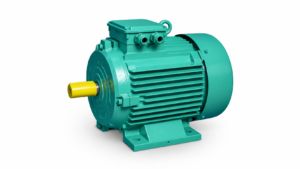
Industrial operations depend on reliable machinery to maintain productivity, reduce downtime, and achieve consistent performance. Electric motors play an important role in powering equipment across manufacturing plants, processing units, engineering facilities, and other industrial environments. Among the different motor technologies available, Three Phase Induction Motors are widely preferred because of their robust construction, dependable operation, and suitability for continuous industrial applications.
Businesses looking for dependable motor solutions need to understand how these motors work, where they are used, and which specifications matter when selecting a suitable model. Understanding these factors helps procurement professionals and industrial buyers make informed purchasing decisions.
What Are Three Phase Induction Motors?
Three phase induction motors are AC Electric Motors that convert electrical energy into mechanical energy through electromagnetic induction. They operate using a three-phase electrical supply, which produces a rotating magnetic field inside the motor.
This magnetic field induces current in the rotor, generating the torque required to rotate the motor shaft. Unlike many other motor designs, the rotor does not require a direct electrical connection to the power supply in a standard squirrel cage induction motor.
Due to their relatively simple construction, mechanical strength, and operational reliability, these motors are commonly used in industrial machinery, pumps, compressors, conveyors, fans, and production equipment.
How Does a Three Phase AC Induction Motor Work?
The working principle of a three phase AC induction motor is based on electromagnetic induction. When a balanced three-phase AC supply is connected to the stator windings, it creates a rotating magnetic field.
This rotating field interacts with the rotor conductors and induces an electric current. The interaction between the magnetic field and induced rotor current produces electromagnetic torque, causing the rotor to rotate.
The rotor operates slightly below synchronous speed. This difference in speed is known as slip, which is necessary for electromagnetic induction and torque production.
The basic working process involves:
- Electrical Supply: Three-phase AC power is supplied to the stator windings.
- Magnetic Field Generation: The stator produces a rotating magnetic field.
- Current Induction: The rotating magnetic field induces current in the rotor.
- Torque Production: Electromagnetic interaction generates rotational force.
- Mechanical Output: The rotating shaft transfers mechanical power to connected equipment.
This operating principle makes three phase induction motors suitable for a wide range of industrial applications.
Types of Three Phase Induction Motors
Selecting the right motor depends on the application, starting requirements, operating conditions, and load characteristics. The two major types are:
1. Squirrel Cage Induction Motor
Squirrel cage motors are widely used in industrial applications because of their straightforward construction and dependable performance. Their rotor consists of conductive bars connected by end rings, forming a cage-like structure.
Key characteristics include:
- Rugged and compact construction.
- Reliable operation under suitable operating conditions.
- Relatively low maintenance requirements.
- Wide suitability for industrial machinery.
- Compatibility with different motor starting and speed-control arrangements.
These motors are commonly used in pumps, blowers, conveyors, and general-purpose industrial equipment.
2. Slip Ring Induction Motor
Slip ring induction motors, also known as wound rotor motors, feature a rotor winding connected to external resistance through slip rings.
This arrangement allows greater control over starting characteristics and can provide higher starting torque for demanding applications.
Common applications include cranes, hoists, heavy-duty lifting equipment, and machinery requiring specific starting performance.
Industrial Applications of Three Phase Induction Motors
Three phase induction motors support numerous industrial processes because they can be designed for different power ratings, speeds, and operating requirements.
Some important application areas include:
- Manufacturing Industries
Production facilities use induction motors to operate machine tools, industrial processing equipment, and automated manufacturing systems. Reliable motor performance helps maintain consistent production schedules.
- Pumps and Water Management
Industrial water pumps, circulation systems, and fluid-handling equipment frequently use induction motors to provide the mechanical power required for continuous pumping operations.
- Conveyor Systems
Material handling facilities depend on motors to operate conveyor belts used for transporting raw materials, finished goods, and industrial components.
- Fans and Blowers
Ventilation systems, industrial exhaust units, and air circulation equipment use electric motors to maintain airflow across manufacturing and commercial facilities.
- Compressors and Heavy Machinery
Three-phase motors are also used in air compressors, workshop equipment, and other industrial machines where dependable mechanical output is essential.
Benefits of Using Three Phase Induction Motors
Industrial buyers often prefer induction motors because they offer several practical advantages when correctly selected and maintained.
- Reliable Performance: Their proven operating principle supports dependable performance in various industrial environments.
- Robust Construction: Suitable designs can withstand demanding operating conditions.
- Maintenance Convenience: Squirrel cage models have fewer rotor components requiring routine attention.
- Industrial Versatility: Different designs and ratings support a wide range of machinery.
- Operational Efficiency: Properly selected, energy-efficient motors can help reduce electricity consumption and operating expenses.
- Flexible Installation: Motors are available in different mounting configurations to suit equipment requirements.
Actual performance depends on motor design, load conditions, installation quality, and maintenance practices.
How to Choose the Right Three Phase Induction Motor
Choosing an appropriate motor requires more than comparing prices or power ratings. Buyers should evaluate the technical and operational requirements of their machinery before placing an order.
Consider the following factors:
Power Rating: Select a motor with an appropriate kilowatt (kW) or horsepower (HP) rating according to the connected load.
Operating Speed: Check the required RPM and number of motor poles to ensure compatibility with the application.
Voltage and Frequency: Confirm that the motor’s electrical specifications match the available power supply.
Mounting Arrangement: Consider foot-mounted, flange-mounted, or other suitable configurations based on installation requirements.
Duty Cycle: Evaluate whether the motor will operate continuously, intermittently, or under varying load conditions.
Environmental Conditions: Consider temperature, dust, moisture, ventilation, and the required enclosure protection.
Efficiency and Maintenance: Compare efficiency ratings, maintenance requirements, and expected operating costs.
Consulting a qualified technical professional can help ensure that the selected motor meets the equipment manufacturer’s requirements.
Why Choose Reliable Three Phase Induction Motors Manufacturers in India?
Working with dependable Three Phase Induction Motors Manufacturers in India is important for industrial businesses seeking consistent product quality and suitable motor specifications.
A reliable manufacturer or supplier should provide clear technical information, appropriate product configurations, dependable communication, and support in identifying suitable motor options.
Before purchasing, industrial buyers should review the manufacturer’s product range, construction details, available ratings, mounting options, and applicable quality standards. They should also confirm delivery requirements and after-sales support.
For businesses purchasing motors in bulk, maintaining a consistent supply and selecting products according to actual operating requirements can contribute to better equipment management and long-term operational planning.
Explore Three Phase Induction Motor Solutions at Altra Motors
Finding the right motor partner is an important consideration for manufacturers, machinery builders, engineering companies, and industrial procurement teams.
Altra Motors offers industrial motor solutions for different business and machinery requirements. Buyers interested in exploring available options can visit the company’s Three Phase Induction Motors product page to learn more about its range.
Before finalising an order, buyers should discuss the required power rating, RPM, voltage, mounting arrangement, and intended application to identify a suitable motor configuration.
Conclusion
Three phase induction motors remain an important part of modern industrial operations because of their reliable working principle, practical construction, and versatility across different applications. From manufacturing machinery and conveyor systems to pumps, compressors, and ventilation equipment, these motors support a wide range of mechanical processes.
Selecting the right motor involves evaluating power requirements, operating speed, electrical specifications, mounting arrangements, and working conditions. By choosing suitable equipment and working with dependable suppliers, industrial businesses can support efficient operations, improve equipment reliability, and manage long-term maintenance requirements.