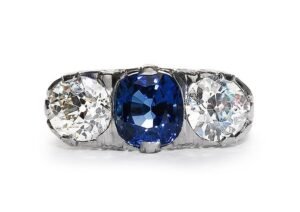
A three-stone sapphire ring combines the timeless appeal of sapphire with a meaningful three-stone design. Often associated with a relationship’s past, present, and future, this style offers a beautiful alternative to traditional diamond engagement rings while maintaining an elegant and sophisticated appearance. Whether you are choosing a sapphire engagement ring, anniversary ring, or a special piece of fine jewelry, a three-stone setting provides both symbolism and visual balance.
What Is a Three Stone Sapphire Ring?
A three-stone sapphire ring features three prominent gemstones arranged across the top of the band. The center stone is usually the focal point, while two side stones frame it to create a balanced look.
Sapphires are particularly attractive for this design because their rich color creates a distinctive centerpiece. Blue sapphire is the most recognizable choice, but sapphires are also available in a range of colors, including pink, yellow, white, and other natural shades.
The three-stone arrangement can also be customized with diamonds or additional sapphires. For example, a blue sapphire center stone surrounded by two diamonds creates a classic contrast, while three sapphires produce a more coordinated and colorful appearance.
What Does a Three Stone Sapphire Ring Symbolize?
The three gemstones are commonly interpreted as representing the past, present, and future of a relationship. This makes the design especially meaningful for engagements, anniversaries, and milestone celebrations.
The symbolism can also be interpreted more personally. Some couples view the three stones as representing love, friendship, and commitment, while others simply appreciate the balanced appearance of the setting.
Because the meaning is flexible, a three stone sapphire ring can work for different occasions rather than being limited to engagement jewelry.
Why Choose Sapphire for a Three Stone Ring?
Sapphire offers several characteristics that make it well suited to everyday jewelry.
Distinctive Color
Blue sapphire is recognized for its deep, sophisticated color. Depending on the stone, blue sapphires can range from light and vibrant blue to deeper, more saturated shades.
The color can dramatically influence the appearance of the ring. A lighter sapphire may create a delicate and contemporary look, while a darker stone can provide a more dramatic aesthetic.
Excellent Durability
Sapphire ranks 9 on the Mohs hardness scale, making it one of the harder gemstones used in jewelry. This durability makes sapphire a practical option for rings that may be worn regularly.
However, hardness does not mean a gemstone is impossible to damage. Proper care and secure setting are still important, particularly for a ring intended for everyday wear.
A Meaningful Alternative to Diamonds
A sapphire center stone gives the traditional three-stone silhouette a distinctive identity. It can be a suitable choice for someone who wants a classic ring shape without choosing an all-diamond design.
Versatile Pairings
Sapphires work well with different metals and gemstones. White gold and platinum can emphasize the contrast between blue sapphire and bright diamonds, while yellow or rose gold can create a warmer appearance.
Three Stone Sapphire Ring Design Ideas
There are several ways to personalize this style.
Sapphire Center With Diamond Side Stones
A blue sapphire center stone paired with two diamonds is one of the most recognizable combinations. The diamonds frame the colored center while adding additional brilliance.
This design works particularly well for someone who wants sapphire to remain the visual focal point.
Three Sapphire Stones
Choosing sapphire for all three stones creates a cohesive and colorful appearance. The stones can be matched closely for a symmetrical design or selected with subtle differences in tone.
Oval Sapphire Three Stone Ring
An oval sapphire can create an elongated appearance across the finger. Oval stones also provide plenty of surface area for showcasing the sapphire’s color.
Cushion-Cut Sapphire
Cushion-cut sapphires combine softened corners with a substantial appearance. They can give a three-stone ring a classic yet distinctive character.
Sapphire With Halo or Pavé Details
Small diamonds around the center stone or along the band can add extra sparkle without changing the fundamental three-stone design.
How to Choose the Right Sapphire
Selecting a sapphire involves more than simply choosing the color you like. Several characteristics influence its appearance and value.
Color
For blue sapphire, examine hue, saturation, and tone. A desirable stone generally has an attractive blue color without appearing excessively dark or gray.
Personal preference matters because sapphire colors can look very different under various lighting conditions.
Cut
The cut affects how the sapphire interacts with light and how its color appears. A well-proportioned cut can help produce an attractive balance between brilliance, color, and visual size.
Unlike diamonds, sapphires are often selected primarily for their color rather than maximum brilliance.
Clarity
Natural sapphires commonly contain inclusions. Some inclusions are expected and do not necessarily make a stone unattractive.
However, inclusions that significantly affect transparency or durability should be considered carefully. If you’re purchasing a valuable natural sapphire, ask for information about its quality and treatment.
Origin and Treatment
Sapphires may undergo treatments to improve their color or clarity. Heat treatment, for example, is common in the sapphire market.
When buying a significant gemstone, ask whether the sapphire is natural or lab-grown and whether it has received any treatments. Reputable sellers should provide accurate information about the gemstone.
Choosing the Right Metal
The metal surrounding your sapphire can change the overall appearance of the ring.
White gold: Creates a clean, contemporary contrast with blue sapphire.
Yellow gold: Produces a warmer, traditional appearance and can make the blue gemstone stand out.
Rose gold: Adds a soft, romantic character and provides an attractive contrast with blue sapphire.
Platinum: Offers a naturally white metal with excellent durability and is often selected for fine jewelry intended for long-term wear.
Consider the jewelry you already wear when choosing the metal. Matching the ring with existing pieces can create a more coordinated collection.
What Should You Consider When Buying a Three Stone Sapphire Ring?
Before purchasing, look beyond the overall design.
First, confirm the center sapphire’s size, color, cut, and treatment information. Then examine the side stones and make sure they are proportionate to the center stone.
The setting should also hold each gemstone securely. Prongs need to be properly positioned, and the underside of the setting should allow the stones to be inspected and cleaned.
If you’re purchasing online, review the product specifications carefully and look for clear gemstone information, detailed photographs, return policies, and warranty or maintenance options.
For a significant purchase, gemstone certification or documentation can also provide useful information about the stone’s characteristics.
How to Style a Three Stone Sapphire Ring
A sapphire three-stone ring can be worn alone as a statement piece or paired with other jewelry.
For an engagement ring, a simple wedding band can keep attention focused on the three gemstones. A diamond-accented band can add additional sparkle, while a plain metal band can create a cleaner contrast.
If the ring already has substantial side stones, avoid stacking too many competing pieces on the same finger. The three-stone design naturally creates visual interest, so a balanced approach often works well.
How to Care for a Sapphire Ring
Although sapphire is durable, regular maintenance helps preserve the ring’s appearance.
Clean the ring gently using warm water, mild soap, and a soft brush. Rinse thoroughly and dry it with a soft, lint-free cloth.
Avoid exposing the ring unnecessarily to harsh chemicals. It is also sensible to remove fine jewelry before activities that could subject the setting to significant impact.
Have the prongs and gemstone settings inspected periodically, particularly if you wear the ring every day. Loose stones should be addressed promptly by a qualified jeweler.
Is a Three Stone Sapphire Ring Right for You?
A three stone sapphire ring can suit someone who wants a combination of color, symbolism, durability, and classic design. Its three-stone structure gives the ring a traditional silhouette, while sapphire creates a distinctive alternative to an all-diamond centerpiece.
When comparing different rings, focus on the sapphire’s color and quality, gemstone proportions, setting security, metal choice, and overall craftsmanship. Most importantly, choose a design that fits the wearer’s personal style and has meaning beyond current trends.
With thoughtful gemstone selection and proper care, a sapphire three-stone ring can become a memorable piece of jewelry designed to celebrate an important relationship or milestone. Brilani offers a range of gemstone and fine jewelry designs that can help shoppers explore different styles, stone shapes, and settings when looking for a distinctive ring.