Fire and theft are two very different risks, yet both can result in substantial financial loss.
Fire can damage or destroy vehicles, buildings, contents, equipment, and other assets. Theft can involve the loss of property, forced entry, vehicle components, or valuable belongings.
Understanding how insurance addresses these risks begins with knowing what the policy actually covers and what conditions apply.
Vehicle Fire and Theft
Vehicles can be exposed to several risks.
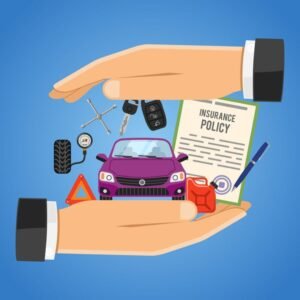
Fire may result from electrical faults, accidents, mechanical issues, or external events. Theft can involve the entire vehicle or certain components.
Car Insurance Online options may provide different levels of protection for these risks, so drivers should examine the specific coverage rather than assuming every vehicle policy responds identically.
What Does Fire Coverage Mean?
Fire coverage generally refers to protection against eligible loss or damage caused by fire, subject to the terms of the policy.
The exact scope varies.
Some policies may cover specific types of fire-related damage, while others may contain conditions concerning the origin of the incident, surrounding circumstances, or particular property.
Don’t Assume Every Fire-Related Loss Is Covered
Policy wording determines whether an incident qualifies.
Review definitions, exclusions, limits, and applicable conditions.
Theft Coverage Has Its Own Conditions
Theft protection may respond to certain losses resulting from theft, burglary, or related events depending on the policy.
Requirements may apply regarding security measures, evidence, reporting, or the circumstances surrounding the incident.
Report Theft Promptly
If property or a vehicle is stolen, follow the appropriate official reporting procedure and notify the insurer according to the policy.
Documentation may be essential when processing a claim.
Property Fire Risks
Homes and commercial premises can contain many combustible materials.
A fire can affect the structure as well as furniture, appliances, electronics, stock, equipment, and personal belongings.
Consider the Full Financial Exposure
Replacing a building is only one possible expense.
Contents, restoration, temporary accommodation, debris removal, and business interruption may also become relevant depending on the circumstances and applicable coverage.
Understanding Property Protection
Property policies can be structured in different ways.
Some may focus on specified risks, while broader arrangements can address a wider range of accidental physical loss or damage, subject to exclusions.
Property All Risk Insurance is generally intended to provide broader protection for insured property against accidental physical loss or damage, subject to the specific policy wording and exclusions.
The term “all risk” should never be interpreted as meaning that every possible event is automatically covered.
Check the Exclusions
Exclusions define the situations where protection does not apply.
They may relate to wear and tear, intentional damage, particular natural events, faulty workmanship, unattended property, or other circumstances depending on the contract.
Read the Exceptions Carefully
An exclusion may have related conditions or extensions elsewhere in the policy.
Read the complete section rather than relying on a single sentence.
Security Measures Can Matter
Theft-related policies may include conditions concerning locks, alarms, security systems, access control, storage arrangements, or other protective measures.
Requirements vary.
Policyholders should understand any relevant obligations before an incident occurs.
Keep Evidence of Valuable Property
Photographs, invoices, receipts, serial numbers, and other ownership records can help document property.
This is particularly useful for expensive electronics, jewellery, equipment, and specialised items.
Create a Simple Inventory
An inventory can include:
- Item description
- Purchase information
- Approximate value
- Serial number where applicable
- Photographs
- Supporting receipts
Keep the information securely.
Understand the Sum Insured
The amount selected for property protection should reflect the potential financial exposure according to the policy’s valuation basis.
Underinsurance can create serious problems after a major loss.
Review Values Regularly
Property values and replacement costs can change.
Annual reviews help determine whether existing limits remain suitable.
Fire Prevention Still Matters
Insurance is not a substitute for prevention.
Smoke detection, electrical maintenance, appropriate storage, fire extinguishers, safe cooking practices, and other precautions can reduce risk.
Businesses should also maintain emergency procedures and employee training where appropriate.
Theft Prevention Is Equally Important
Good locks, access control, security systems, lighting, and sensible storage can discourage theft.
The exact measures should reflect the property and its environment.
Combine Prevention With Protection
Reducing the likelihood of a loss and preparing financially for eligible losses are complementary strategies.
Understand the Claims Process Beforehand
If a fire or theft occurs, the policyholder may need to provide reports, photographs, ownership evidence, repair estimates, or other documentation.
Knowing these requirements in advance makes the process easier.
Review Both Risks Separately
Fire and theft are often mentioned together, but they should not be treated as identical.
They involve different causes, evidence, prevention methods, and policy conditions.
Review each section carefully.
Protection Starts With Clarity
Fire and theft coverage can provide valuable financial support when an eligible loss occurs, but the actual protection depends on the policy wording.
Understand what is included. Read exclusions. Check limits. Follow security requirements. Maintain records. Review property values regularly.
Most importantly, do not assume that a broad insurance label automatically covers every situation.
A well-understood policy gives property owners and vehicle owners a clearer picture of their financial protection. Combined with sensible prevention measures, it creates a more structured approach to managing two risks that can otherwise have a significant impact on finances and daily life.