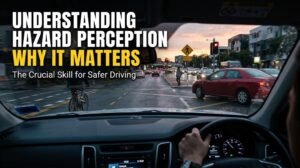
Learning to drive is about much more than steering, braking, and following traffic signs. Safe driving also depends on your ability to notice potential hazards, understand how situations may develop, and respond before a dangerous situation becomes an emergency. This skill is known as hazard perception, and it plays an important role in helping drivers make safer decisions on the road.
For new drivers learning with a driving school Vancouver, developing strong hazard perception skills can make everyday driving more predictable and controlled. Rather than simply reacting to something after it happens, good hazard perception teaches drivers to identify warning signs early and adjust their speed, position, or attention accordingly.
What Is Hazard Perception?
Hazard perception is the ability to identify potential and developing dangers while driving and assess how they could affect your vehicle. A hazard can be anything that requires a driver to change speed, direction, position, or attention to maintain safety.
Some hazards are obvious, such as a vehicle suddenly stopping ahead. Others develop gradually. A pedestrian standing close to a crosswalk, a cyclist approaching an intersection, a parked car with someone sitting inside, or a vehicle waiting to turn can all indicate that something may happen soon.
The important distinction is between seeing something and recognizing its potential risk. A driver may notice a child standing near the road, for example, but strong hazard perception means recognizing that the child could suddenly move into traffic and preparing accordingly.
Why Is Hazard Perception Important?
Hazard perception helps drivers make decisions before they are forced into sudden reactions. Early recognition gives you more time to slow down, increase following distance, check mirrors, or prepare for another road user’s movement.
This is particularly important because many driving situations change quickly. Traffic conditions, weather, road layouts, and the behavior of other road users can create new risks within seconds.
A driver who consistently scans ahead and identifies developing hazards has more opportunities to respond smoothly. This can reduce the need for harsh braking, sudden steering, or other last-second maneuvers.
Good hazard perception also supports defensive driving. Instead of assuming that other road users will always behave predictably, drivers learn to consider what could happen next and prepare for reasonable possibilities.
The Difference Between a Potential and Developing Hazard
Understanding the difference between potential and developing hazards is an important part of learning this skill.
A potential hazard is something that could create a problem but has not necessarily become an immediate threat. For example, a parked vehicle near an intersection could potentially block someone’s view.
A developing hazard is a situation that is becoming more likely to require action. If a person walks out from behind that parked vehicle toward the roadway, the risk has changed. The driver may now need to reduce speed and prepare to stop.
This distinction helps drivers avoid two common mistakes: reacting too late or reacting unnecessarily. Good hazard perception involves continuously reassessing the road rather than treating every object as an emergency.
Common Road Hazards Drivers Should Watch For
Hazards can appear almost anywhere, but certain situations deserve particular attention.
Pedestrians and Cyclists
People walking or cycling near traffic can be difficult to predict, particularly at intersections, parking areas, school zones, and busy commercial streets. Drivers should look for movement rather than assuming pedestrians or cyclists will remain in one position.
A pedestrian approaching a crossing, for example, may be preparing to enter the roadway. Recognizing this possibility early allows a driver to reduce speed and remain prepared to stop.
Parked and Turning Vehicles
Parked vehicles can hide pedestrians, cyclists, and other vehicles. A car positioned near an intersection may also obstruct your view of approaching traffic.
Similarly, a vehicle indicating a turn is a signal that its position or direction may soon change. Drivers should consider the vehicle’s speed, position, road markings, and surrounding traffic rather than relying on the indicator alone.
Intersections
Intersections require continuous observation because several road users may approach from different directions. Drivers should check for vehicles entering from side roads, pedestrians crossing, cyclists, turning vehicles, and changes in traffic signals.
Scanning the intersection before reaching it gives you more time to respond if another road user behaves unexpectedly.
Weather and Road Conditions
Rain, snow, ice, fog, glare, and strong winds can change the level of risk on a road. Poor visibility can make hazards harder to identify, while reduced traction can increase stopping distances.
Hazard perception therefore includes recognizing when environmental conditions require a different driving approach. A driver may need to reduce speed, increase following distance, use appropriate lights, or allow more time to react.
Motorcycles and Smaller Road Users
Motorcycles and other smaller vehicles can be harder to notice, particularly in blind spots or heavy traffic. Drivers should use mirrors frequently, check blind spots when appropriate, and avoid assuming that an unseen vehicle is not present.
How to Improve Hazard Perception Skills
Hazard perception improves through deliberate observation and regular driving practice. Simply accumulating driving hours is useful, but drivers should also think actively about what they are seeing.
Look Well Ahead
Avoid focusing only on the vehicle directly in front of you. Look farther down the road to identify traffic changes, pedestrians, intersections, parked vehicles, and other potential hazards.
Looking ahead gives you more time to recognize developing situations and adjust gradually.
Keep Scanning
Good drivers do not stare at one area of the road for too long. Your attention should move between the road ahead, mirrors, intersections, side areas, and relevant blind spots.
Regular scanning helps create a broader picture of the traffic environment and reduces the chance of overlooking an important change.
Ask Yourself What Could Happen Next
A useful training technique is to mentally predict possible developments.
For example, if you see a vehicle stopped near a pedestrian crossing, consider whether someone might cross in front of it. If you see a ball roll into the street, consider that a child could follow it. If traffic begins slowing several vehicles ahead, look for the reason rather than waiting until the vehicle immediately ahead brakes.
This type of forward thinking strengthens hazard awareness.
Adjust Speed to Match the Situation
Speed management is closely connected to hazard perception. When visibility is limited or the road environment becomes more complex, reducing speed can give you additional time to respond.
The goal is not to drive unnecessarily slowly. Instead, choose a speed that allows you to maintain control and respond appropriately to the conditions around you.
Practice With an Experienced Instructor
A qualified instructor can help identify hazards that a beginner may overlook. During a lesson, an instructor can explain why a particular situation presents a risk and what signs should have alerted the driver.
This feedback is valuable because beginners may notice an event without understanding why it was significant. Discussing the situation immediately can help turn a single experience into a repeatable driving skill.
Hazard Perception During a Driving Test
Hazard perception is also relevant to practical driving assessments because safe driving involves more than vehicle control. Examiners generally look for evidence that drivers observe their surroundings, respond appropriately to traffic conditions, maintain safe space, and make decisions that reduce risk.
A driver should not wait for a hazard to become obvious before responding. For example, if traffic ahead is slowing, the appropriate response may begin before reaching the back of the queue. Similarly, approaching a busy intersection should involve observation and preparation rather than simply continuing at the same speed.
The exact requirements of a driving assessment vary by jurisdiction, so learners should follow the current rules and assessment guidance applicable to their location.
Common Hazard Perception Mistakes
One common mistake is looking without processing. A driver may glance at mirrors or scan the road but fail to recognize what the information means.
Another mistake is focusing too narrowly. Watching only the vehicle ahead can cause drivers to miss hazards developing farther down the road.
Some beginners also become overly reactive. They may brake or steer suddenly whenever they see something unexpected. Hazard perception is not about treating every potential hazard as an emergency. It is about assessing the likelihood and seriousness of a situation and responding proportionately.
Finally, drivers should avoid assuming that other road users will always follow the rules. Defensive driving means remaining prepared for reasonable mistakes or unexpected behavior while still driving predictably yourself.
Why Hazard Perception Gets Better With Experience
Experience helps drivers recognize patterns. After repeated exposure to different road environments, drivers begin to understand that certain visual cues often precede specific situations.
For example, a group of parked cars near a busy sidewalk may suggest increased pedestrian activity. A vehicle positioned unusually close to the center line may require additional caution. A long line of brake lights can indicate congestion or a developing obstruction ahead.
However, experience should not lead to complacency. Experienced drivers still need to scan, anticipate, and adapt because road conditions can change at any time.
Building Safer Habits From the Start
The best time to develop hazard perception is during the early stages of driver education. New drivers should make observation an active part of every lesson rather than treating it as something that will automatically develop later.
Before changing lanes, identify surrounding vehicles. Before approaching an intersection, scan for conflicting traffic. Before passing parked vehicles, consider what may be hidden behind them. Before entering a curve, think about what you may encounter beyond your current view.
These habits become increasingly natural with consistent practice.
Conclusion
Hazard perception is one of the most important skills a driver can develop because it helps turn observation into safer decision-making. By looking ahead, scanning continuously, recognizing potential and developing hazards, managing speed, and thinking about what could happen next, drivers can respond earlier and more calmly to changing road conditions.
Learning these skills with guidance from an experienced instructor can make the process more structured and practical. Whether you are beginning lessons with Benche Driving school or continuing to improve your driving independently, the goal should be the same: recognize risks early, make measured decisions, and remain prepared for the unexpected. The safest driving habits are built through preparation, awareness, and consistent practice. With time and focused observation, hazard perception can become a natural part of every journey.