Riders considering a three-wheeled touring motorcycle in Oakdale, New York, often look for a combination of road comfort, passenger accommodation, storage, and a stable three-wheel configuration. Those researching a harley davidson tri glide ultra classic can benefit from understanding its design, dimensions, touring-oriented features, maintenance requirements, and everyday practicality before making an ownership decision. The model is designed around long-distance road use, making factors such as rider comfort, cargo capacity, handling, and service requirements important parts of the evaluation.
What Defines the Tri Glide Ultra?
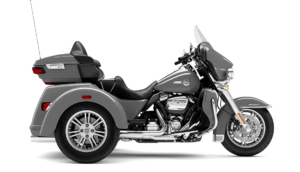
The Tri Glide Ultra is a touring-focused trike that combines a motorcycle-style front end with two rear wheels. This configuration creates a different riding experience from a conventional two-wheel motorcycle.
The three-wheel layout can change how the vehicle behaves during cornering, braking, parking, and low-speed maneuvering. Riders familiar with traditional motorcycles may need time to adjust their steering inputs and understand how the wider rear section tracks through turns.
Its overall dimensions also reflect its touring purpose. Current specifications list a length of 105.1 inches, a width of 54.7 inches, and a 65.7-inch wheelbase. The listed running weight is approximately 1,237 pounds for the 2025 version.
Touring and Long-Distance Considerations
Long-distance riding requires more than engine performance. Rider position, passenger comfort, wind management, storage, and suspension all become increasingly important as riding distances increase.
The touring configuration includes a full fairing and windshield designed to provide wind and weather management. The passenger area should also be considered by riders who regularly travel with another person.
Storage is another practical consideration. The 2025 specifications list approximately 6.8 cubic feet of combined luggage capacity, including the rear trunk and luggage carrier.
This space can be useful for carrying clothing, riding equipment, personal belongings, and other items during longer trips.
Engine and Performance Characteristics
The 2025 version uses a 114-cubic-inch, twin-cooled V-twin engine. Official specifications list 120 lb-ft of torque and 93 horsepower.
For buyers, the important consideration is how these characteristics relate to intended use. Torque can be particularly relevant when carrying a passenger or luggage, while overall engine performance should be considered alongside the vehicle’s size and weight.
A buyer should avoid evaluating performance based on horsepower alone. Engine characteristics, gearing, vehicle weight, rider experience, and intended road use all contribute to the overall riding experience.
Handling and Dimensions
A trike requires a different approach to handling than a conventional motorcycle. The rear wheels provide a wider footprint, while the rider remains responsible for steering the front wheel through corners.
Its width is worth considering when evaluating garage space, parking areas, trailers, and narrow roads. At 54.7 inches wide, the vehicle occupies considerably more lateral space than many conventional motorcycles.
Low-speed practice can help a rider become familiar with steering and maneuvering. Parking areas and tight turns may feel different from what an experienced two-wheel rider expects.
Passenger and Cargo Considerations
Passenger use can be a major factor when evaluating a touring trike. Riders who frequently travel with another person should consider seating comfort, available space, passenger foot placement, and luggage requirements.
Cargo should also be considered in relation to the total load. The vehicle’s published specifications include weight limits that account for the rider, passenger, cargo, and accessories.
Overloading can affect handling and braking, so riders should remain within the manufacturer’s specified limits.
Maintenance and Ownership
Regular maintenance is an important part of three-wheeled motorcycle ownership. The additional rear-wheel configuration means tires, brakes, suspension components, and related hardware all require periodic inspection.
Owners should pay attention to:
- Tire pressure and tread condition
- Brake operation
- Suspension components
- Engine and transmission fluids
- Battery condition
- Lighting and electrical equipment
- Steering components
- Visible fasteners and hardware
Tire pressure is particularly important because incorrect pressure can influence handling, braking, and tire wear. Manufacturer service intervals should be followed, while demanding riding conditions may warrant additional inspections.
Seasonal Riding Around Oakdale
Oakdale and the surrounding Long Island area experience distinct seasonal changes. Spring may bring wet roads and fluctuating temperatures, while summer generally provides longer riding opportunities. Fall introduces cooler temperatures and reduced daylight, making visibility and weather preparation increasingly important.
Before seasonal rides, riders can inspect tires, brakes, fluids, lights, and battery condition. After wet or dirty rides, cleaning the vehicle can make it easier to identify potential wear or damage.
If the trike will be stored for an extended period, following recommended storage procedures can help protect mechanical and electrical components.
Frequently Asked Questions
Is the Tri Glide Ultra suitable for long-distance riding?
Its touring-oriented design includes features intended for extended road travel, including substantial luggage capacity, passenger accommodations, wind protection, and touring-focused suspension.
Is a three-wheeled motorcycle handled like a two-wheel motorcycle?
No. Although the controls share motorcycle characteristics, the three-wheel configuration changes steering and cornering behavior. Riders may need an adjustment period.
How much storage does the Tri Glide Ultra provide?
The 2025 specifications list 6.8 cubic feet of combined luggage capacity.
What should be checked before purchasing a used example?
A buyer should examine tires, brakes, suspension, steering components, fluids, electrical systems, service records, and overall condition. Model year should also be considered because specifications and equipment can vary.
Making an Informed Ownership Decision
Evaluating a three-wheeled touring motorcycle requires attention to more than its appearance or engine specifications. Riders in Oakdale should consider how frequently the vehicle will be used, whether passengers will regularly accompany them, how much luggage they need, and whether their storage area can accommodate its dimensions.
For anyone researching the harley davidson tri glide ultra classic around 4020 Sunrise Hwy, Oakdale, NY 11769, understanding the model’s touring layout, handling characteristics, storage capacity, maintenance requirements, and seasonal considerations can provide a more useful foundation for comparison. A careful evaluation of these practical factors allows riders to determine whether the vehicle’s configuration aligns with their individual riding habits and long-distance touring needs.