NFC business cards have quickly moved from a novelty to a genuine networking essential for professionals across industries. But beyond the basic “tap and share” concept, these smart cards come packed with a range of features that make them far more powerful than a simple digital replacement for paper. Understanding these features helps professionals get the most value out of their card — and helps anyone considering the switch understand exactly what they’re investing in.
This article breaks down the most useful features of NFC business cards, explaining what each one does and why it matters for real-world networking.
1. Tap-to-Share Contact Sharing
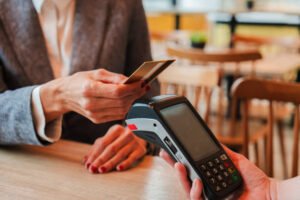
At the core of every NFC business card is the tap-to-share feature. A single tap against a smartphone instantly shares your contact details, without the recipient needing to manually type anything or install an app. This is the foundation feature that makes NFC cards so much faster than paper cards or even QR codes, which require opening a camera app first.
Most modern smartphones — both Android and iPhone — support this natively, meaning the recipient simply receives a notification prompting them to view your profile or save your contact.
2. Customizable Digital Profile Pages
Unlike a paper card limited to a name, title, and a couple of phone numbers, an NFC card links to a fully customizable digital profile. This profile page can include:
- A professional photo and short bio
- Job title and company details
- Direct contact buttons (call, email, WhatsApp)
- Links to social media and portfolio websites
- Downloadable resources like resumes or brochures
Because this page lives online rather than printed on cardstock, it can be redesigned or updated as often as needed, keeping your professional presentation current at all times.
3. Real-Time Profile Updates
One of the most practical features of NFC cards is the ability to update your information without reprinting anything. If you change jobs, get a new phone number, or want to refresh your portfolio, you simply update the linked digital profile — everyone who has ever tapped your card automatically sees the latest version. This turns a single card into a long-term asset rather than a disposable item that becomes outdated the moment your details change.
4. vCard Integration for Instant Contact Saving
Many NFC business cards are programmed to share a vCard file — a standard digital contact format recognized by all smartphones. When someone taps the card, they’re prompted to save your name, number, email, and company directly into their phone’s contacts app with a single click, eliminating manual data entry entirely and reducing the chance of typos or lost information.
5. QR Code Backup
While NFC is the primary technology, most quality cards also include a printed QR code as a backup. This ensures that even if someone’s phone has NFC disabled or isn’t NFC-compatible (which is rare but still possible), they can simply scan the code with their camera app to reach the same digital profile. This dual-technology approach makes the card universally accessible.
6. Built-In Analytics and Engagement Tracking
A feature paper cards simply cannot offer is data. Most NFC card platforms include an analytics dashboard showing:
- How many times your card has been tapped
- Which links on your profile get the most clicks
- When and where taps are happening
This kind of insight is especially useful for sales professionals, recruiters, and business development teams who want to measure the effectiveness of their networking efforts at different events or locations.
7. CRM and Lead Capture Integration
For professionals who rely on structured follow-up, many NFC card systems integrate directly with CRM platforms like HubSpot, Salesforce, or Zoho. When someone taps your card and fills out a short form, their details can flow automatically into your sales pipeline — removing the delay and manual effort of transcribing leads after an event.
8. Calendar and Booking Integration
Many professionals link their NFC profile directly to a scheduling tool like Calendly or Google Calendar. This means a prospect or new contact can book a meeting with you immediately after tapping your card, without any back-and-forth emails to find a suitable time. It’s a small feature that can significantly speed up the sales or onboarding process.
9. Multi-Platform Compatibility
A well-designed NFC card works seamlessly across both iOS and Android devices, as well as older phones that may lack NFC support (thanks to the QR code backup). This universal compatibility ensures that no matter who you’re networking with, your card will function reliably.
10. Durable, Premium Materials
Unlike flimsy paper cards, NFC business cards are typically made from more durable materials such as PVC plastic, brushed metal, wood, or even biodegradable composites. This durability means the card can be reused indefinitely, and the premium feel of these materials often leaves a stronger, more polished impression during a handshake exchange.
11. Custom Branding and Design
Businesses and professionals can fully customize the look of their NFC card — logo placement, color schemes, finishes (matte, glossy, metallic), and even card shape. This allows the physical card itself to reinforce brand identity, not just the digital profile behind it, creating a consistent visual experience from the first tap.
12. Multiple Link Destinations From One Card
Some advanced NFC card platforms allow a single card to be programmed with logic that directs users to different content depending on context — for instance, showing a general profile by default but a specialized landing page during a specific campaign or event. This flexibility allows one physical card to serve multiple networking purposes over time.
13. Team and Enterprise Management Features
For companies issuing NFC cards to multiple employees, many platforms offer centralized dashboards where administrators can manage all employee profiles from one place — updating branding, monitoring analytics across the team, and ensuring consistency in how the company is represented at every networking touchpoint.
14. Environmental Sustainability
Because a single NFC card can replace potentially thousands of printed paper cards over its lifetime, sustainability has become one of its most appreciated features. For professionals and companies that want to reduce waste without sacrificing networking effectiveness, NFC cards offer a clear environmental advantage over traditional printing.
15. Security and Controlled Data Sharing
NFC technology operates at an extremely short range (a few centimeters), meaning data can only be read when a device is deliberately brought close to the card. Combined with the fact that most cards only share a link or vCard rather than sensitive personal data, this makes NFC networking a low-risk, secure way to exchange information compared to some other digital sharing methods.
Choosing the Right NFC Card for Your Needs
With so many features available, choosing the right NFC business card comes down to identifying what matters most for your specific networking style. A freelancer might prioritize a strong portfolio-linked profile and booking integration, while a sales professional might care more about CRM integration and analytics. Enterprises, on the other hand, often value team management tools and consistent branding across their organization.
If you want to explore what a fully-featured smart card looks like in practice, you can check out these NFC Business Cards, which combine many of the features discussed above — from customizable profiles to durable materials — into a single, ready-to-use networking tool.
Final Thoughts
NFC business cards have evolved well beyond the simple idea of “tap to share contact info.” Between customizable digital profiles, real-time updates, CRM integration, analytics, and premium materials, they offer a feature set that genuinely transforms how professionals network, follow up, and measure their efforts. As adoption continues to grow, these features are likely to expand further, making NFC cards not just a modern alternative to paper, but a central tool in any professional’s networking strategy.