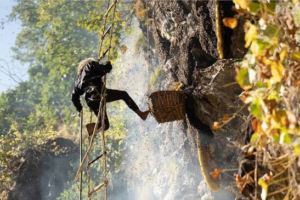
Himalayan Mad Honey is a rare wild honey collected from the cliffs of Nepal by giant Himalayan honey bees (Apis laboriosa). It is produced when bees gather nectar from certain rhododendron flowers that naturally contain grayanotoxins. Known for its unique flavor and traditional uses, Himalayan mad honey is valued worldwide but should always be consumed responsibly.
Introduction
Unlike ordinary honey, Himalayan Mad Honey has a fascinating story behind it. Harvested from steep Himalayan cliffs using traditional methods, this unique honey has been part of Nepalese culture for generations. Its rarity, challenging harvesting process, and naturally occurring compounds have made it one of the world’s most talked-about specialty honeys.
Whether you’re interested in its history, traditional uses, or want to understand what makes it different from regular honey, this guide covers everything you need to know.
What Makes Himalayan Mad Honey Unique?
The uniqueness of Himalayan Mad Honey comes from three important factors:
- Nectar collected from specific rhododendron flowers.
- The world’s largest honey bee, Apis laboriosa.
- Traditional cliff harvesting techniques used in Nepal.
Unlike commercial honey, Himalayan mad honey is collected only during limited harvesting seasons, making it a rare and sought-after natural product.
Where Does Himalayan Mad Honey Come From?
Most authentic Himalayan Mad Honey is harvested in the mountainous regions of Nepal. Local honey hunters, particularly from the Gurung community, climb high cliffs using handmade rope ladders to collect honeycombs from wild bee colonies.
This centuries-old tradition requires exceptional skill and teamwork, making each harvest both dangerous and culturally significant.
How Is Himalayan Mad Honey Harvested?
The harvesting process remains largely traditional.
Step-by-Step Process
- Locate wild bee colonies on Himalayan cliffs.
- Prepare rope ladders and traditional equipment.
- Use natural smoke to calm the bees.
- Carefully cut the honeycombs.
- Lower the combs safely to the ground.
- Filter and package the honey while preserving its natural quality.
This labor-intensive process contributes to the honey’s premium value.
Why Is It Called “Mad Honey”?
Himalayan Mad Honey gets its name from the naturally occurring grayanotoxins found in the nectar of certain rhododendron species.
These compounds are responsible for the honey’s unique characteristics. The concentration can vary depending on factors such as flowering season, location, and climate.
Potential Benefits of Himalayan Mad Honey
For generations, Himalayan communities have used mad honey in traditional wellness practices. While scientific research continues, many people value it for its natural properties.
Traditionally Associated Benefits
- Rich in natural antioxidants
- Supports general wellness
- Used in traditional herbal practices
- Natural source of carbohydrates for energy
- Raw and minimally processed
These traditional uses should not be considered proven medical treatments.
Risks and Safety Considerations
Because Himalayan Mad Honey contains naturally occurring grayanotoxins, responsible consumption is important.
Possible side effects from excessive intake include:
- Dizziness
- Nausea
- Vomiting
- Sweating
- Low blood pressure
- Slow heart rate
If symptoms occur after consumption, seek medical advice promptly.
Himalayan Mad Honey vs Regular Honey
| Feature | Himalayan Mad Honey | Regular Honey |
|---|---|---|
| Source | Wild rhododendron nectar | Various flowers |
| Harvest | Cliff-harvested | Farm-produced |
| Bee Species | Apis laboriosa | Common honey bees |
| Flavor | Sweet with a slightly bitter finish | Sweet |
| Availability | Seasonal | Widely available |
How to Identify Authentic Himalayan Mad Honey
Choosing genuine Himalayan Mad Honey is essential for quality and authenticity.
Look for:
- Clearly stated origin from Nepal.
- Transparent sourcing information.
- Traditional harvesting details.
- Natural color variations.
- Reputable seller with verified reviews.
- Quality testing or laboratory information when available.
Avoid products that make unrealistic health claims or lack information about their source.
How to Store Himalayan Mad Honey
To maintain freshness and quality:
- Keep the container tightly sealed.
- Store in a cool, dry place.
- Avoid direct sunlight.
- Do not refrigerate unless recommended by the manufacturer.
- Use a clean, dry spoon to prevent contamination.
Proper storage helps preserve the honey’s natural texture and flavor.
Common Mistakes to Avoid
- Buying from unknown or unverified sellers.
- Assuming every dark honey is mad honey.
- Ignoring serving recommendations.
- Storing honey in excessive heat.
- Expecting immediate or guaranteed health benefits.
Expert Tips
- Purchase only from trusted suppliers with transparent sourcing.
- Learn about the harvesting process before buying.
- Read customer reviews and product details carefully.
- Store the honey correctly to preserve its quality.
- Consume responsibly and in moderation.
Quick Summary
✔ Himalayan Mad Honey is harvested from wild cliffs in Nepal.
✔ It is produced by the Himalayan giant honey bee (Apis laboriosa).
✔ The honey comes from rhododendron nectar containing naturally occurring grayanotoxins.
✔ It has been used traditionally for generations.
✔ Buy only authentic products from reputable sellers and consume responsibly.
Frequently Asked Questions
1. Is Himalayan Mad Honey legal?
In many countries, Himalayan Mad Honey can be legally sold and purchased, but regulations differ by location. Always check local import and food safety rules before ordering internationally.
2. Why is Himalayan Mad Honey expensive?
Its price reflects the dangerous cliff-harvesting process, limited seasonal production, and the expertise of Nepal’s traditional honey hunters.
3. Does Himalayan Mad Honey taste different?
Yes. It typically has a rich, floral sweetness followed by a mild bitter aftertaste, which distinguishes it from ordinary honey.
4. Can I use Himalayan Mad Honey like regular honey?
It is best treated differently from regular honey. Because it contains naturally occurring grayanotoxins, it should be consumed responsibly and according to the supplier’s guidance.
5. Where can I buy authentic Himalayan Mad Honey?
Choose reputable retailers that provide clear sourcing information, harvesting details, and quality assurance. Avoid products with vague origins or unsupported health claims.